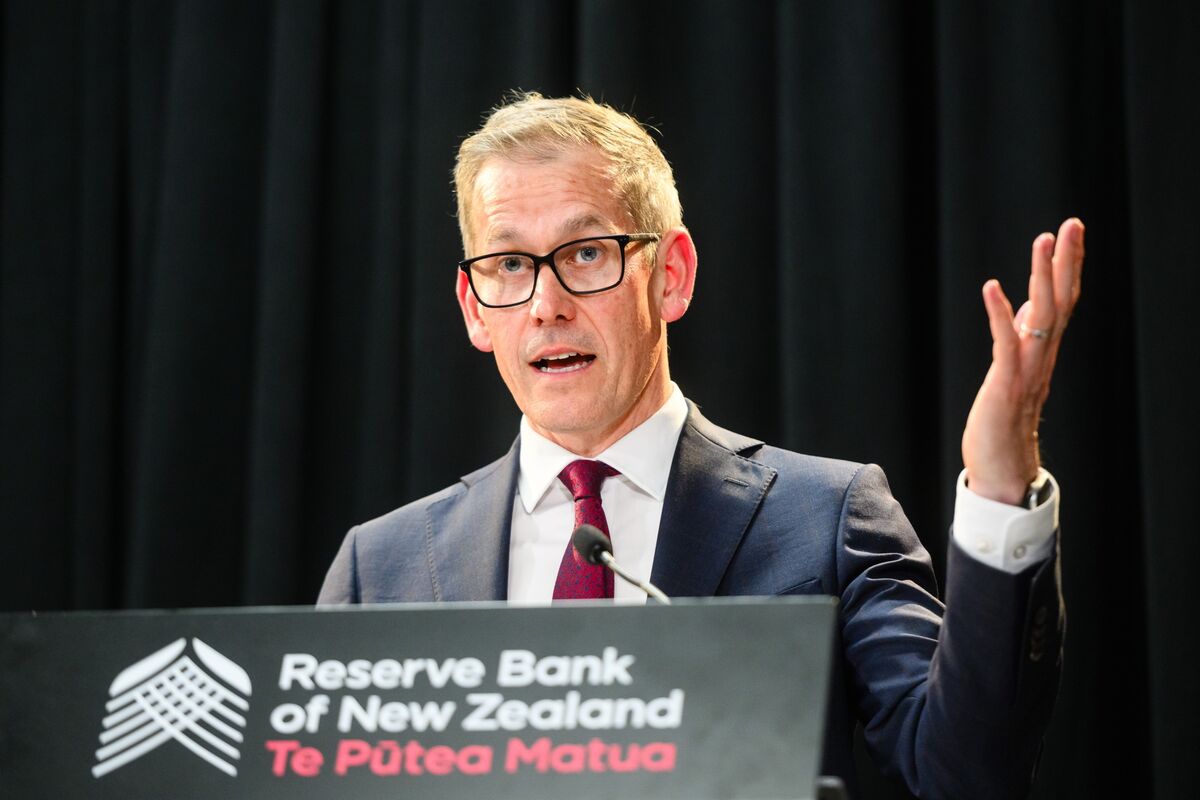
Reserve Bank of New Zealand Governor Christian Hawkesby reiterated the central projection for the Official Cash Rate (OCR) to decline by another 50 basis points to approximately 2.5% by year-end. He emphasized that the actual pace of these reductions will be contingent on incoming economic data, particularly the speed of New Zealand's economic recovery, signaling flexibility in the monetary policy path.
Reserve Bank of New Zealand (RBNZ) Governor Christian Hawkesby has reaffirmed the central bank’s dovish monetary policy outlook, reiterating the central projection for the Official Cash Rate (OCR) to decline to approximately 2.5% by the end of the year. This guidance implies a further 50 basis points of easing. Crucially, Hawkesby introduced a significant degree of conditionality, stating that the pace of these reductions is not predetermined and will depend on incoming data. The primary variable cited is the "speed of New Zealand’s economic recovery," which effectively makes future economic releases the key determinants for the OCR's path. This statement reinforces the market's expectation for further easing but also highlights that the timing is flexible, potentially shifting based on stronger or weaker-than-anticipated economic performance.
AI-powered research, real-time alerts, and portfolio analytics for institutional investors.
Request DemoOverall Sentiment
moderately positive
Sentiment Score
0.40
