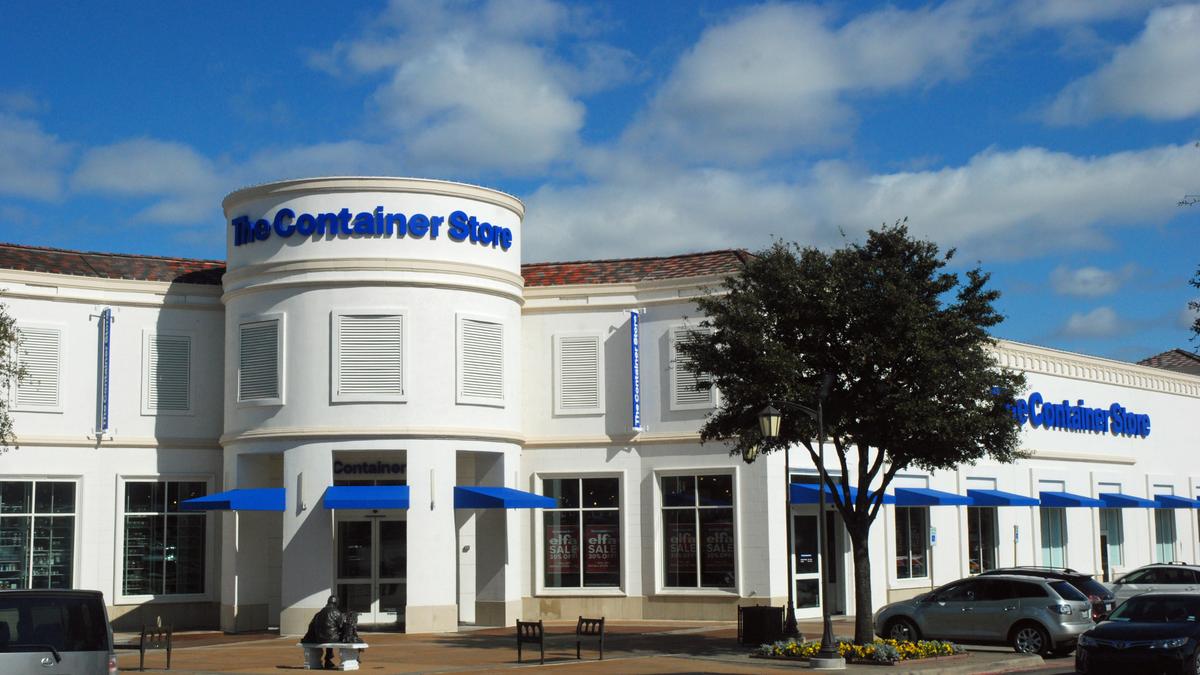
A $150 million acquisition deal for bankrupt retailer The Container Store is highlighted among recent acquisitions and funding transactions in North Texas. The article summarizes local M&A and financing activity but the remainder of details is behind a paywall. This is notable for regional deal flow but is unlikely to have meaningful market-wide impact.
Bankruptcy-driven clearance of specialty retail boxes behaves like a localized supply shock that redistributes real estate value across formats. Expect multi-month lease renegotiations and re-tenancy cycles: landlords typically concede rent or TI of ~10–25% to avoid vacancy over 6–18 months, which compresses near-term cashflow for neighborhood and strip-mall owners but creates conversion opportunities for discount/off‑price and last‑mile users.
On the supply side, vendor receivables and inventory liquidation create two distinct P&L impacts: (1) a 3–9 month surge of promotional activity and inventory-to-cash auctions that suppresses gross margins for remaining specialty peers, and (2) counterparty credit stress for upstream manufacturers and small distributors, which opens attractive private‑credit entry points to buy receivables at meaningful discounts and earn double‑digit IRRs if recoveries normalize within a year.
Strategically, the biggest non‑consensus lever is industrial/logistics real estate adjacent to dense consumer pockets (North Texas included). Land that was marginal for retail becomes high‑value for last‑mile nodes, driving above‑market rent growth for well‑located small-bay industrial over 12–36 months. The main reversal risk is rapid PE roll‑up activity reusing acquired brand equity to re‑open boxes quickly, which would blunt re‑tenanting yield expansion and tighten credit spreads for opportunistic buyers.
AI-powered research, real-time alerts, and portfolio analytics for institutional investors.
Request DemoOverall Sentiment
neutral
Sentiment Score
0.05
