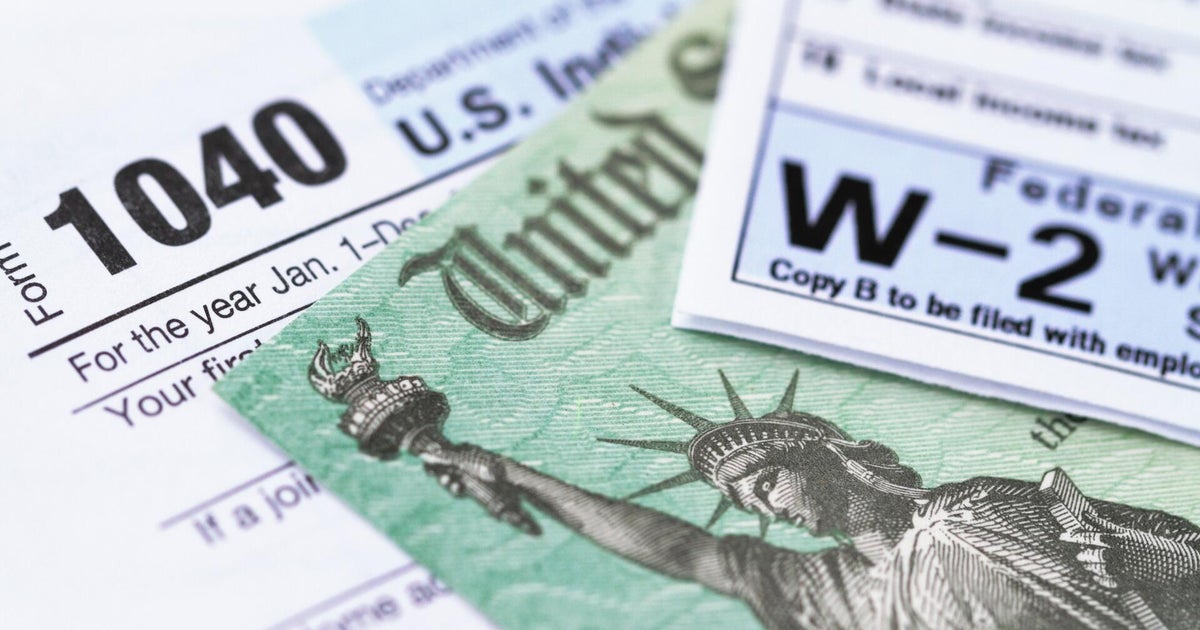
The IRS will begin accepting 2025 federal income tax returns on Jan. 26, 2026; returns are due April 15 (extensions to Oct. 15) and e-filed refunds typically arrive within 21 days while paper returns take longer and the 'Where's My Refund' tool updates ~24 hours after e-filing (four weeks for paper). Recent legislation enacted retroactive 2025 tax changes—excluding some overtime and tipped income from tax and raising the SALT deduction cap from $10,000 to $40,000—is likely to boost household refunds, with last year’s average refund about $3,200 and Piper Sandler projecting an additional roughly $1,000 on the typical check.
Market structure: The Jan 26 e-file opening plus an estimated ~$1,000 average uplift in refunds (Piper Sandler) shifts a discrete cash injection into households between mid‑Feb and March. Winners: consumer discretionary (retail, restaurants, home improvement), regional banks and fintechs that handle direct deposits; losers: defensive staples and sectors that rely on longer-term structural spending. Cross-asset: expect a temporary rise in bank deposits and money market inflows (days–weeks), modest downward pressure on card receivables and a tiny disinflationary impulse to core services if spending is pulled forward.
Risk assessment: Tail risks include IRS processing outages, large-scale fraud leading to refund holds, or state-level policy changes that blunt SALT gains; these are low probability but high impact within 0–60 days. Immediate effect: liquidity spike (Jan 26–Feb 16); short-term: elevated retail demand into Q1; long-term: behavioral effects if SALT hike persists. Hidden dependency: refund spend rate is income-skewed—high earners (SALT beneficiaries) are likelier to save/pay down debt than boost discretionary consumption.
Trade implications: Time-sensitive plays track the Feb payout window. Favor durable consumer names and payment processors with Feb–Mar expiries for options; overweight regional banks with strong deposit franchises in NY/NJ/CA for a 1–3 month horizon. Use pair trades (long discretionary ETF, short staples) to isolate marginal spend, and size to short-term tactical buckets (1–3% of portfolio) with tight stops.
Contrarian angles: The consensus uplift may be overstated—Piper Sandler’s $1k is an average that masks concentration in higher incomes; if >40% of incremental refunds pay down cards, retail lift will be muted. Historical parallels: 2018 federal tax cuts produced a transient bump in consumption that faded within two quarters. If refunds are delayed or used for deleveraging, consumer discretionary upside will disappoint and banks could see lower NII benefits than priced.
AI-powered research, real-time alerts, and portfolio analytics for institutional investors.
Request DemoOverall Sentiment
mildly positive
Sentiment Score
0.25
