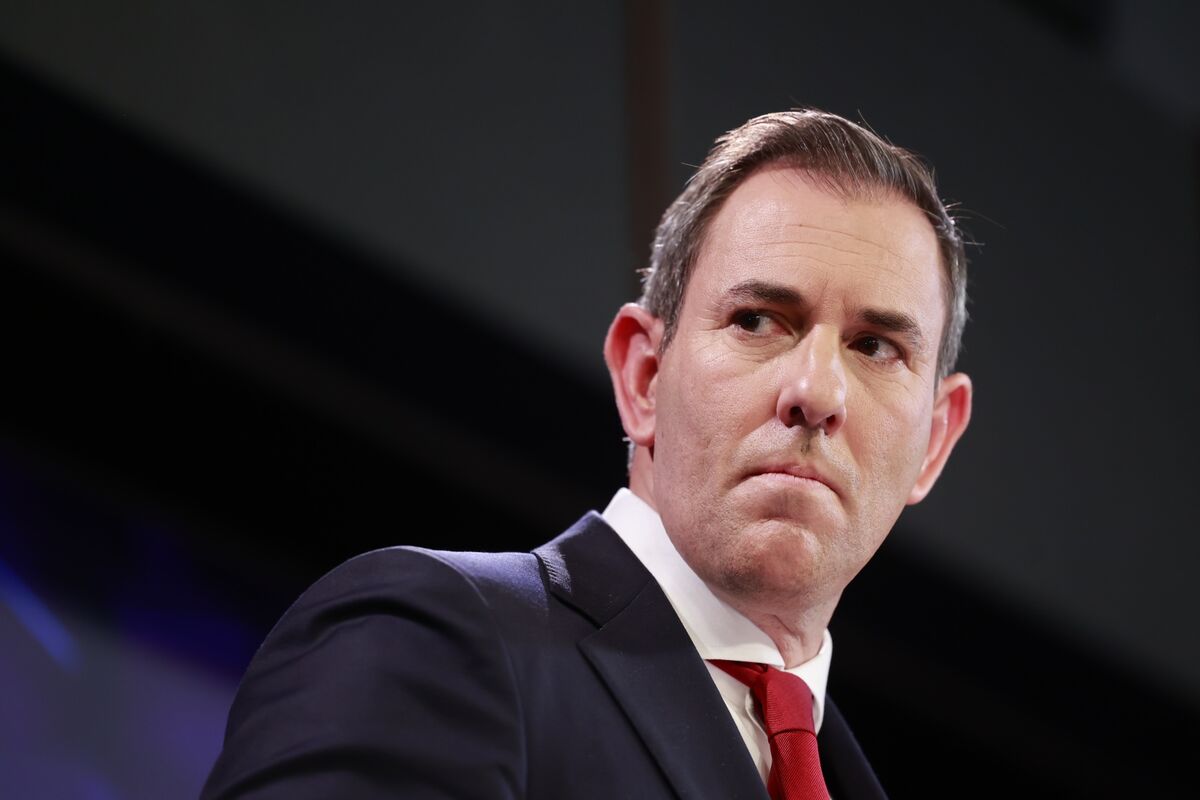
Australia is urgently seeking clarification on President Donald Trump’s threat to impose a 200% tariff on pharmaceutical imports to the US, a development Treasurer Jim Chalmers described as 'very concerning' given the Australian pharmaceutical industry's significant exposure to the American market. This potential tariff could severely impact Australian pharmaceutical exports and industry stability.
A potential 200% tariff on pharmaceutical imports to the US, threatened by President Donald Trump, has introduced significant geopolitical risk for the Australian pharmaceutical industry. The Australian government, through Treasurer Jim Chalmers, has officially registered this as a "very concerning" development and is "urgently seeking" clarification, underscoring the perceived gravity of the threat. This concern is directly linked to the Australian pharmaceutical sector's high degree of exposure to the US market, implying that such a tariff would not be a minor disruption but could have severe consequences for export revenues and profitability. The situation's high market impact score (0.65) and strongly negative sentiment (-0.65) reflect the market's pricing of a material risk to a key trade relationship, although the uncertain tone highlights that this is currently a political threat rather than enacted policy.
AI-powered research, real-time alerts, and portfolio analytics for institutional investors.
Request DemoOverall Sentiment
strongly negative
Sentiment Score
-0.65
