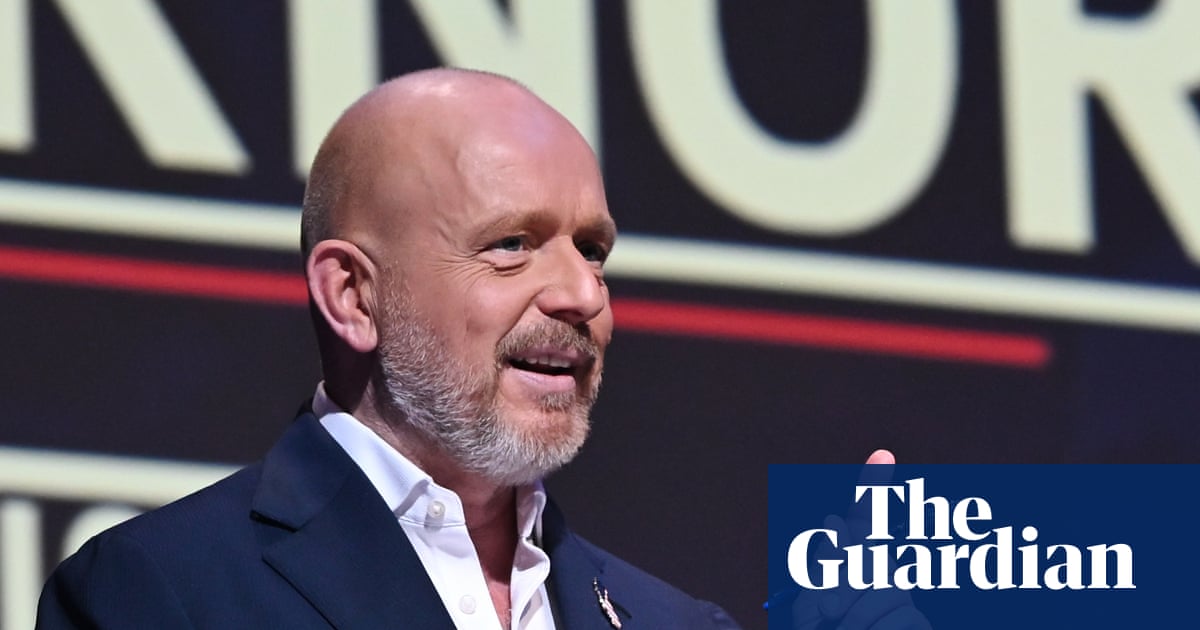
Former President Trump endorsed Steve Hilton in the California governor’s race, an event that could upend a GOP strategy built around the state's top-two jungle primary and likely free up “tens of millions” of dollars for Democratic groups. A March Democratic poll showed Hilton at 16% and Republican Chad Bianco at 14%, with Democrats Eric Swalwell, Katie Porter and Tom Steyer each at 10%, raising the risk Republicans won’t secure both runoff slots. Early voting runs 23 May–2 June and the top-two primary is 3 June; the endorsement may also affect California GOP delegates’ planned endorsement vote.
This endorsement changes the market for political capital more than the baseline ballot math: it converts a localized primary contest into a nationally financed media event, increasing probability of outsized advertising and digital targeting spends in California between now and early June. That flow is concentrated, time-boxed and highly elastic to polling moves — a swing of 3–5 percentage points in polls before early voting closes will trigger 10s of millions of incremental ad dollars in a 2–4 week window.
Second-order winners are distribution platforms (cable/local broadcast and programmatic digital) that sell 30–60 day inventory; losers include smaller, locally funded civic groups that were negotiating concentrated GOTV buys and now face crowding and higher CPMs. A less-obvious macro effect: the threat of aggressive state-level tax cuts and utility deregulation — even as a campaign promise — raises tail risk to California's fiscal profile, increasing the probability of state revenue volatility and short-term muni spread widening should markets price in policy uncertainty.
Catalysts to watch are near-term: (1) early vote ballistic (start May 23) and any re-polling showing consolidation between the two GOPs; (2) announced national ad buy schedules from Democratic groups (scale and targeting); (3) any high-impact disclosure on residency/legal status that can shift turnout. Reversals happen fast — coordinated Democratic counter-spend or a damaging tape could collapse the nationalized narrative inside 7–14 days, removing the ad-spend uplift and flipping the short-term tradebook.
AI-powered research, real-time alerts, and portfolio analytics for institutional investors.
Request DemoOverall Sentiment
neutral
Sentiment Score
0.00
