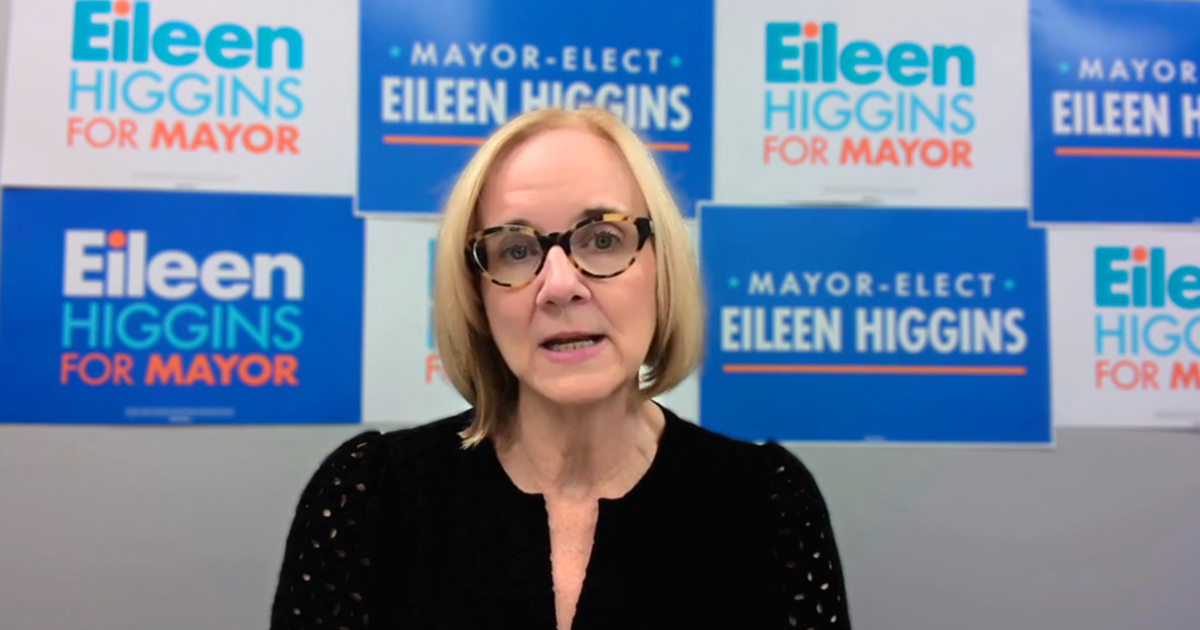
Eileen Higgins was elected Miami mayor with 59% of the vote, becoming the city's first woman mayor and the first Democrat to win the post in nearly 30 years; she attributes the victory to cross-party outreach and an eight-year record on the county commission in a Republican-leaning district. Higgins defeated Republican Emilio González, who was endorsed by President Trump and Gov. DeSantis, in a race that became nationalized around immigration policy; she says she will govern for all residents regardless of party. Her stated priorities — housing affordability (citing having opened thousands of affordable units by repurposing county land), flooding mitigation and managed growth — and her criticism of federal immigration enforcement as a risk to South Florida’s economic vitality signal potential city-level policy shifts that investors and developers should monitor, particularly in real estate, infrastructure and labor-dependent sectors.
Eileen Higgins was elected Miami mayor with 59% of the vote, becoming the city's first woman mayor and the first Democrat to win the post in almost 30 years; she defeated Republican Emilio González, who had high-profile endorsements from President Trump and Gov. DeSantis, after serving eight years on the county commission representing a Republican-leaning district. Higgins credits cross-party outreach for the victory and emphasized governing for all residents, signaling a pragmatic local mandate rather than a purely partisan mandate.
Her stated priorities are housing affordability, flooding mitigation and managed growth; she cited a record of opening “thousands of units” of affordable housing by examining and repurposing county-owned land and said she intends to accelerate construction of affordable units. Miami’s heavily Hispanic population and concerns about federal immigration enforcement, which she called a potential threat to southern Florida’s economic vitality, were politically salient in the race and may inform local policy emphasis on labor and community stability.
Market signals (mildly positive sentiment score 0.25, low market impact 0.12) suggest limited near-term market reaction but meaningful local policy implications: investors should expect potential increases in city-led affordable housing initiatives, changes in land disposition and permitting practices, and elevated municipal focus on flood resilience. The politicized nature of the contest and high-profile endorsements create a risk of state or federal friction that could affect funding or regulatory certainty for projects in Miami.
AI-powered research, real-time alerts, and portfolio analytics for institutional investors.
Request DemoOverall Sentiment
mildly positive
Sentiment Score
0.25
