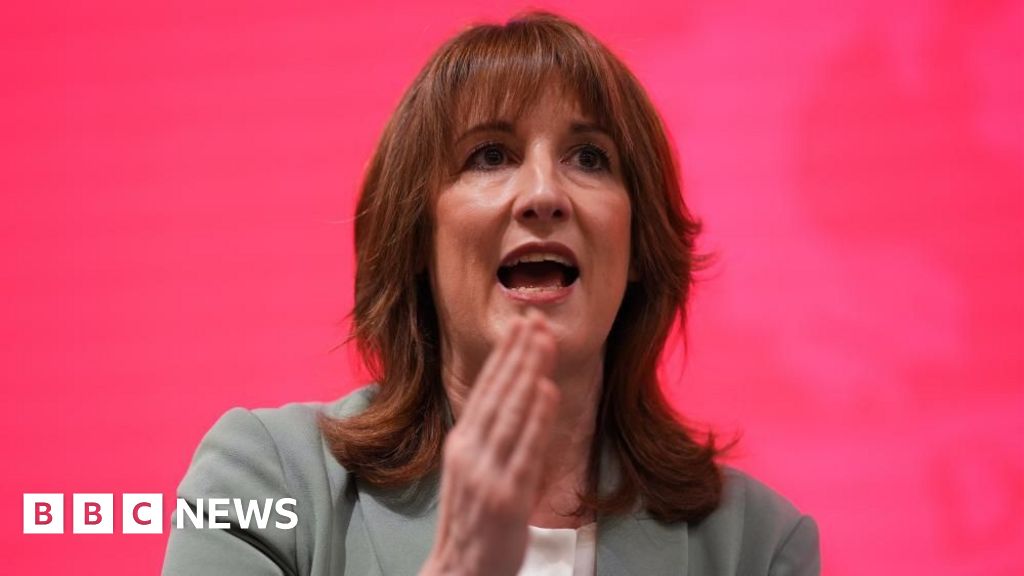
US President Trump's decision to launch war with Iran raises the risk of a sustained oil price spike and higher UK inflation and household energy bills ahead of the July price-cap reset; the article notes a 5p fuel duty cut is due to be phased out from September. Chancellor Rachel Reeves warns of weaker growth and lower tax receipts and says the government is moving to secure oil and gas supplies and engaged supermarkets to ease cost-of-living pressures. Foreign Secretary Yvette Cooper will convene a virtual meeting of 35 nations to explore reopening the Strait of Hormuz, making this a material near-term risk event for energy markets and politically sensitive UK assets.
The immediate market channel to watch is energy-driven pass-through into UK inflation and the July energy-cap reset: a sustained $10/bbl rise in Brent typically adds on the order of 0.15–0.30 percentage points to UK CPI over 3–12 months while directly widening the government’s subsidy need. That combination pressures real household incomes, compresses consumption, and forces fiscal trade-offs (tax cuts vs one-off transfers) that will show up in borrowing plans and gilt issuance by late Q2.
On financial markets, the second-order mechanics are clear — fiscal loosening to blunt bill pain would be growth-negative for sterling and positive for nominal gilt supply, but growth-supportive measures or an inflation shock could force the BoE to resist cutting rates, leaving real yields volatile. Short-term safe-haven dynamics (oil spike -> risk-off) can push gilts lower in days, but the dominant 1–6 month move will be driven by UK-specific fiscal choices tied to the cap reset and any VAT/fuel duty decisions.
Winners/losers beyond energy producers: marine insurers, freight operators, and refiners see margin/rate upside if Strait disruption persists, while discretionary retailers and smaller grocers face margin squeeze and inventory-cost resets. Political calibrations (VAT cuts, duty freezes, direct subsidies) are the key catalysts that will determine whether markets price a one-off shock or a multi-quarter structural hit to UK public finances.
AI-powered research, real-time alerts, and portfolio analytics for institutional investors.
Overall Sentiment
moderately negative
Sentiment Score
-0.40
