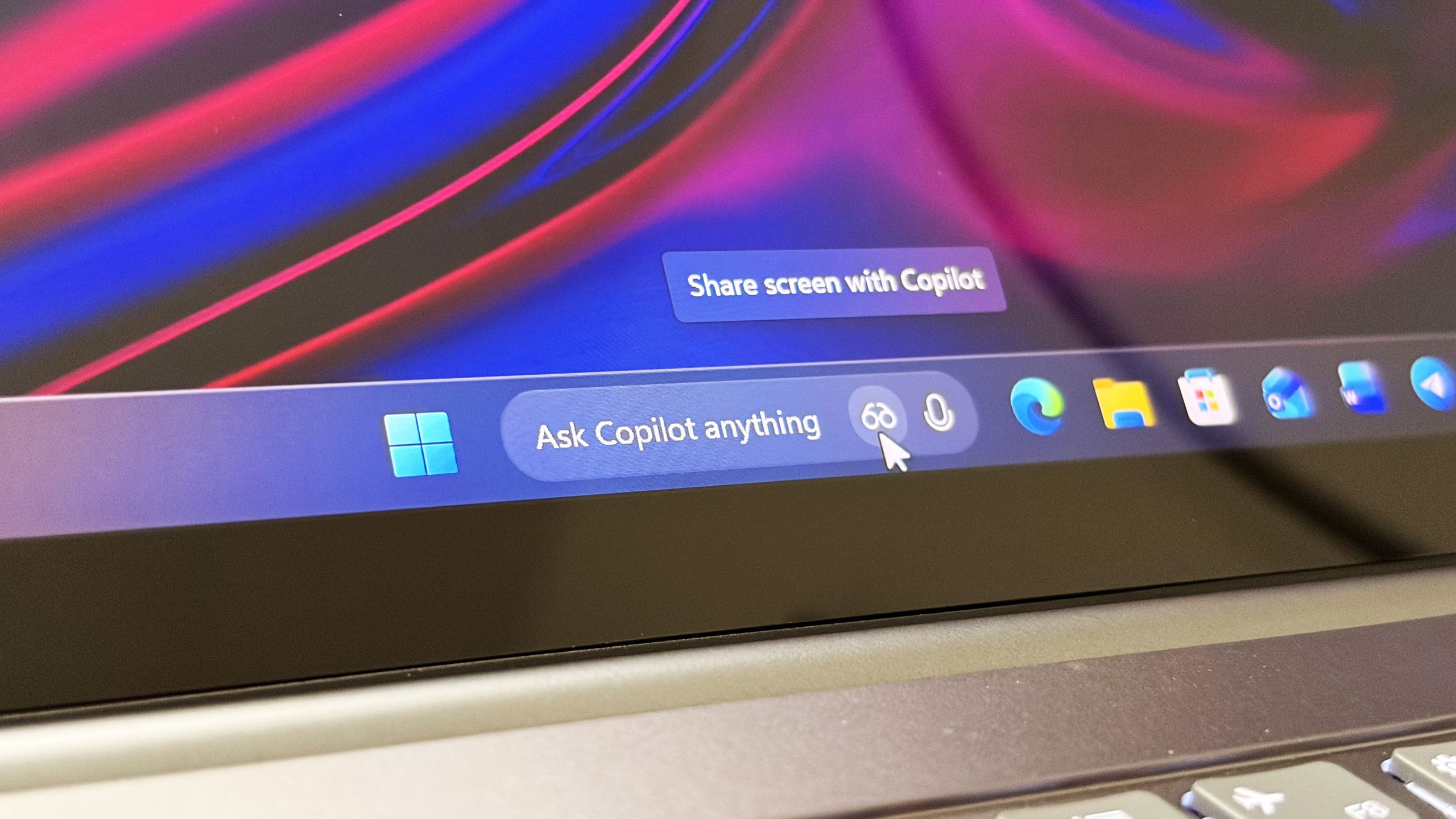
Microsoft is reassessing its Windows 11 AI strategy after user backlash, pausing additional Copilot buttons and planning to streamline or remove Copilot integrations in in‑box apps such as Notepad and Paint in 2026; Windows Recall is also under review and may be reworked or rebranded. Core under‑the‑hood AI initiatives (Semantic Search, Agentic Workspace, Windows ML, Windows AI APIs) will continue, but the move is a tactical retreat to address privacy/security and user sentiment risks—a reputational issue with limited near‑term market impact.
Market structure: Microsoft’s pullback on Copilot UI stuffing reduces near-term monetization and UX risk but preserves under‑the‑hood AI frameworks (Windows ML, AI APIs). Winners: Azure/enterprise AI sellers (MSFT long term), NVDA (NVDA) remains beneficiary of model compute demand; losers: consumer-facing Copilot monetization playbooks and smaller UI‑centric AI vendors that piggybacked on Windows attention. Expect modest share reallocation toward cloud/infra providers rather than OS adoptions; pricing power of MSFT cloud stays intact, consumer monetization cadence may slip 1–2 quarters.
Risk assessment: Immediate risk is reputational and a <5% downside EPS revisit if Copilot adoption and related Azure consumption lags for 1–2 quarters. Tail risks: a privacy/data breach or regulator scrutiny (FTC/EU) could impose fines or slow feature rollouts, creating a 10–20% shock scenario to consumer revenues. Hidden dependency: OEM and partner UI decisions and Microsoft 365 bundling drive downstream usage — a pause in visible Copilot buttons could reduce organic peak usage metrics that feed sales incentives. Catalysts: Windows feature roadmap, next quarterly results (within 60–90 days), and any regulatory inquiries will accelerate market reaction.
Trade implications: For 1–3 month tactical trades, favor limited-cost hedges on MSFT: buy MSFT 3‑month put spread (e.g., 5%–10% OTM) sized to cover 2–3% portfolio exposure rather than outright short. Relative-value: long GOOGL vs short MSFT (1–2% notional) for 3–6 months to play search/consumer AI upside over Windows UI missteps. Long NVDA exposure for 6–12 months to capture persistent AI compute demand; avoid overleveraging consumer AI plays tied to Windows UX.
Contrarian angles: The market may overprice the UX backlash — historically (e.g., Apple/Google UX reversals) product pullbacks improved retention and avoided churn, preserving long‑run monetization. If Microsoft rebrands/streamlines Copilot and focuses on API consumption, Azure revenues could rebound stronger in 2–4 quarters; a 5–10% recovery from any short term dip is plausible. Unintended consequence: removing Copilot buttons could reduce visible adoption metrics temporarily and create buyable weakness rather than structural decline.
AI-powered research, real-time alerts, and portfolio analytics for institutional investors.
Request DemoOverall Sentiment
moderately negative
Sentiment Score
-0.30
Ticker Sentiment
