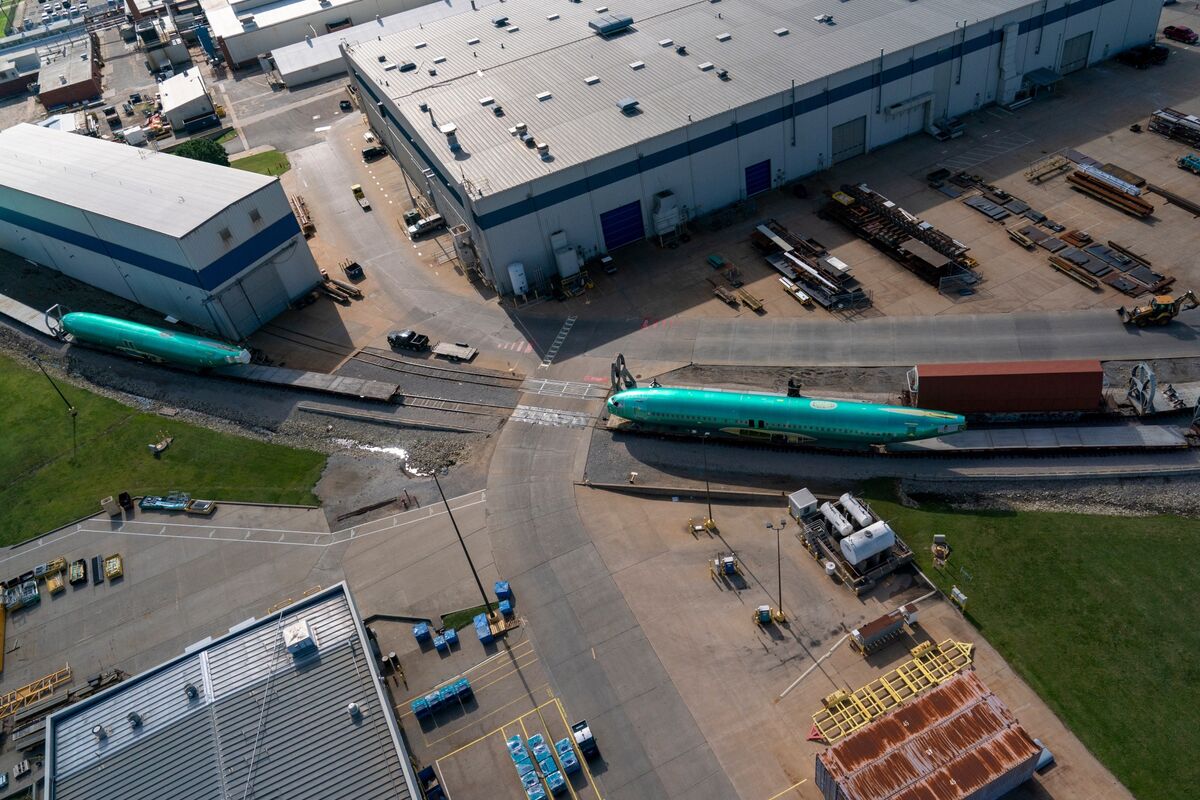
Boeing projects a demand for 43,600 new aircraft over the next two decades, driven by growth in China and Southeast Asia due to increased travel affordability. This forecast is slightly lower than last year's estimate of 43,975 planes, reflecting a tempered outlook on global economic growth.
Boeing Co. projects a substantial long-term demand for 43,600 new aircraft over the next two decades, primarily driven by anticipated growth in markets such as China and Southeast Asia where increasing prosperity is expected to boost air travel. This forecast, however, represents a slight moderation from the previous year's estimate of 43,975 aircraft, reflecting tempered expectations for global economic growth. The overall sentiment derived from this guidance is moderately positive, acknowledging the significant underlying demand, yet the tone remains cautious, likely influenced by the revised economic outlook and, as suggested by the article's title, potential concerns regarding production output capabilities. This long-range forecast is a key indicator for Boeing's fundamental outlook and the broader aerospace and travel industries.
AI-powered research, real-time alerts, and portfolio analytics for institutional investors.
Request DemoOverall Sentiment
moderately positive
Sentiment Score
0.50
Ticker Sentiment
