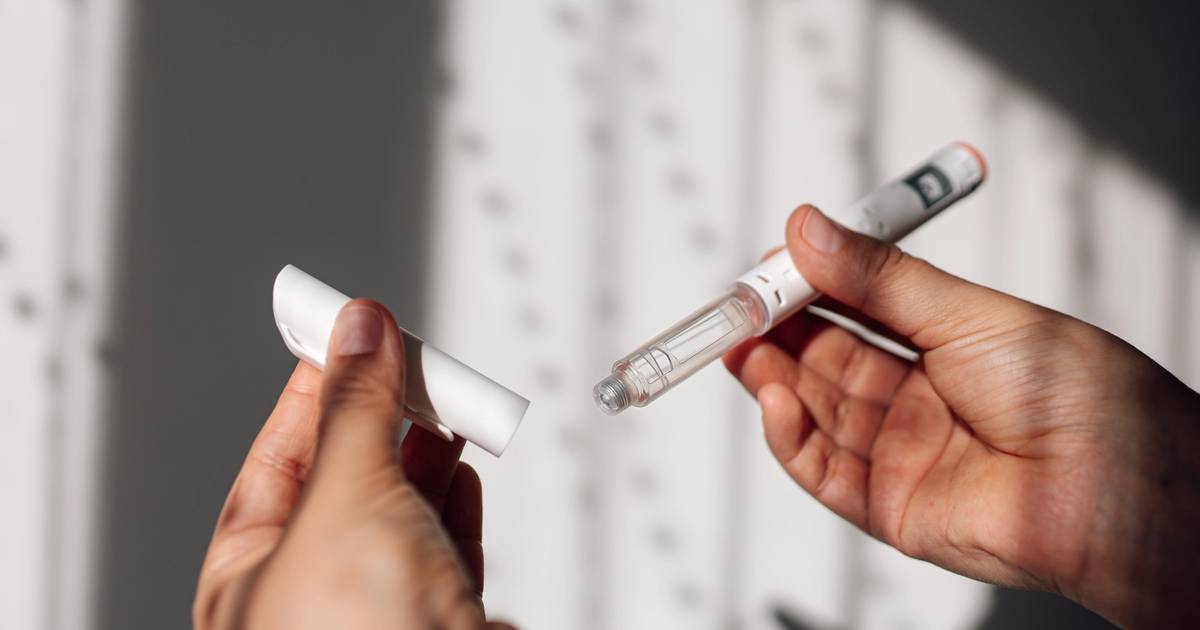
Eli Lilly and Novo Nordisk will let employers bypass pharmacy benefit managers and buy GLP-1 weight-loss drugs directly through a Waltz Health partnership starting Jan. 1, offering fixed pricing as demand for the medicines surges amid White House efforts to lower consumer costs (administration cited roughly $350 direct-to-consumer and $50 Medicare co-pay versus historical >$1,000/month). Only about 19% of employers with 200+ workers currently cover GLP-1s; the move could reduce PBM-driven opacity and reshape employer benefit design, but negotiated employer prices remain undisclosed and broader pricing pressure from generics, oral competitors and federal actions leave near-term revenue and margin implications for manufacturers and PBMs uncertain.
Market structure: Direct-to-employer deals (Waltz + NVO/LLY) shift pricing power upstream from PBMs to manufacturers and nimble middlemen, benefiting large integrated pharma (Novo Nordisk NVO, Eli Lilly LLY) and employers that avoid PBM fees. PBMs (CVS, CI) face margin compression if rebates are bypassed; expect 5–15% EPS pressure over 12–24 months if adoption reaches 10–25% of large-employer lives. High demand keeps unit volumes rising — forecast manufact. volumes +50–100% 2024–26 absent capacity limits — preserving manufacturers' bargaining leverage.
Risk assessment: Tail risks include aggressive federal price caps or mandatory Medicare pricing extensions (10–30% probability over 12–24 months), supply bottlenecks causing scarcity-driven pricing spikes, or antitrust scrutiny of direct contracting (10%+). Immediate impact is muted (days); adoption is gated by employer budget/open enrollment cycles (6–12 months); structural price declines from generics/oral GLP-1s likely 24–48 months out. Hidden dependency: employer uptake depends on fixed-price terms and PBM counteroffers; a PBM price-cut response could blunt share shifts quickly.
Trade implications: Favor long selective manufacturers and volatility-defined bullish options on NVO/LLY; short PBM equities/credit (CVS, CI) or buy 3–6 month puts if spreads/wider downside appear. Pair-trade idea: long NVO / short CVS 1:1 to capture secular share reallocation while hedging market beta. Time entries before Jan 1 rollout announcements and prior to major open-enrollment windows (act within 4–12 weeks); exit or hedge if CMS publishes Medicare price <$100 or if FDA approves oral/generic GLP-1 accelerating price erosion.
Contrarian angles: Consensus assumes PBMs lose; underappreciated is PBM ability to match net economics using supply-side bargaining and formulary leverage — PBMs may retain ~50% of current flows via counteroffers. Historical parallel: insulin rebate shifts led to both manufacturer price resets and PBM-negotiated net outcomes; a similar mixed outcome is plausible here, creating opportunities in both sides of the trade rather than one-way bets.
AI-powered research, real-time alerts, and portfolio analytics for institutional investors.
Request DemoOverall Sentiment
neutral
Sentiment Score
0.10
Ticker Sentiment
