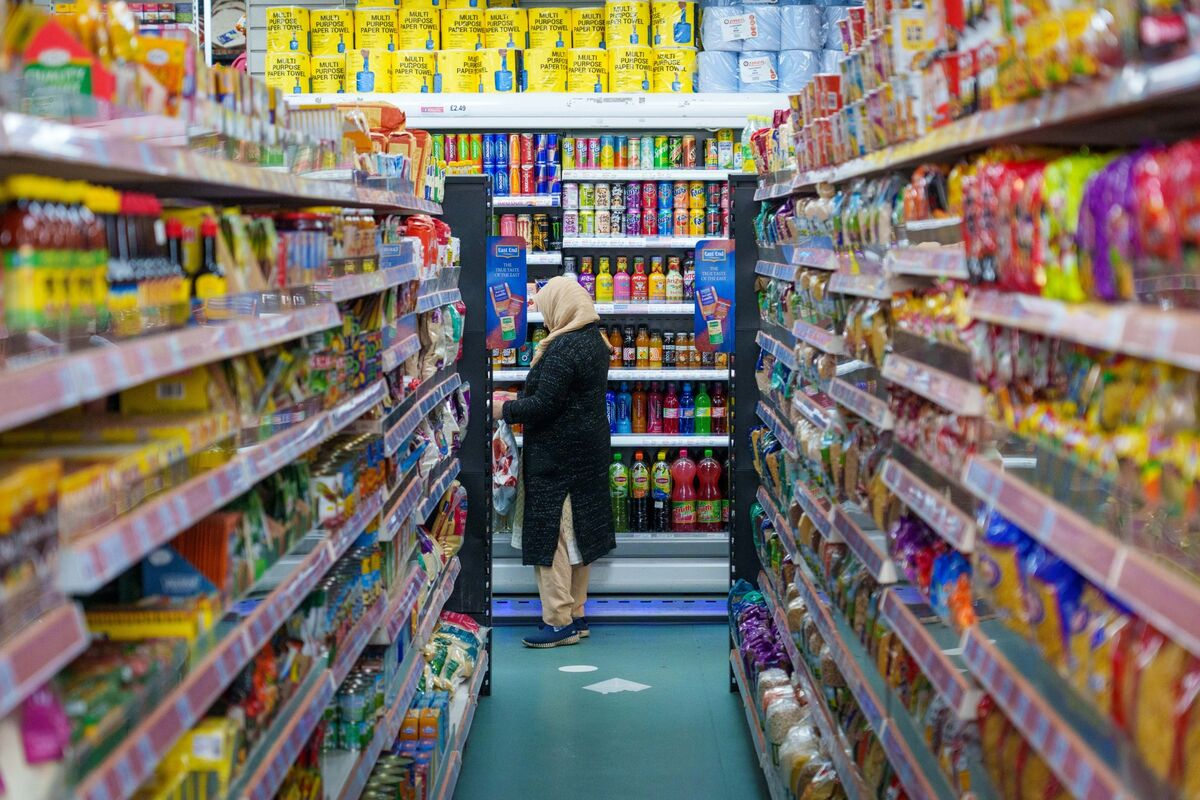
UK food inflation accelerated to 5.2% in the four weeks to mid-July, up from 4.7% a month prior and marking the highest rate since January 2024, according to Worldpanel data. This surge is projected to add an extra £275 to consumers' annual grocery spend, compelling shoppers to adjust behaviors and highlighting persistent inflationary pressures on household budgets within the UK economy.
UK food inflation accelerated to 5.2% in the four weeks leading to mid-July, a significant increase from the 4.7% rate observed a month prior and the highest level recorded since January 2024. This intensification of price pressures translates directly into a projected £275 increase in annual grocery costs per household, according to Worldpanel data. The report's observation that consumers are actively adapting their shopping behaviors signals a direct impact on household disposable income and foreshadows potential shifts in consumer spending patterns. This data point serves as a key indicator of persistent inflation within the UK economy, suggesting that pressures on consumer wallets are worsening, which could create headwinds for the broader consumer retail sector.
AI-powered research, real-time alerts, and portfolio analytics for institutional investors.
Request DemoOverall Sentiment
strongly negative
Sentiment Score
-0.65
