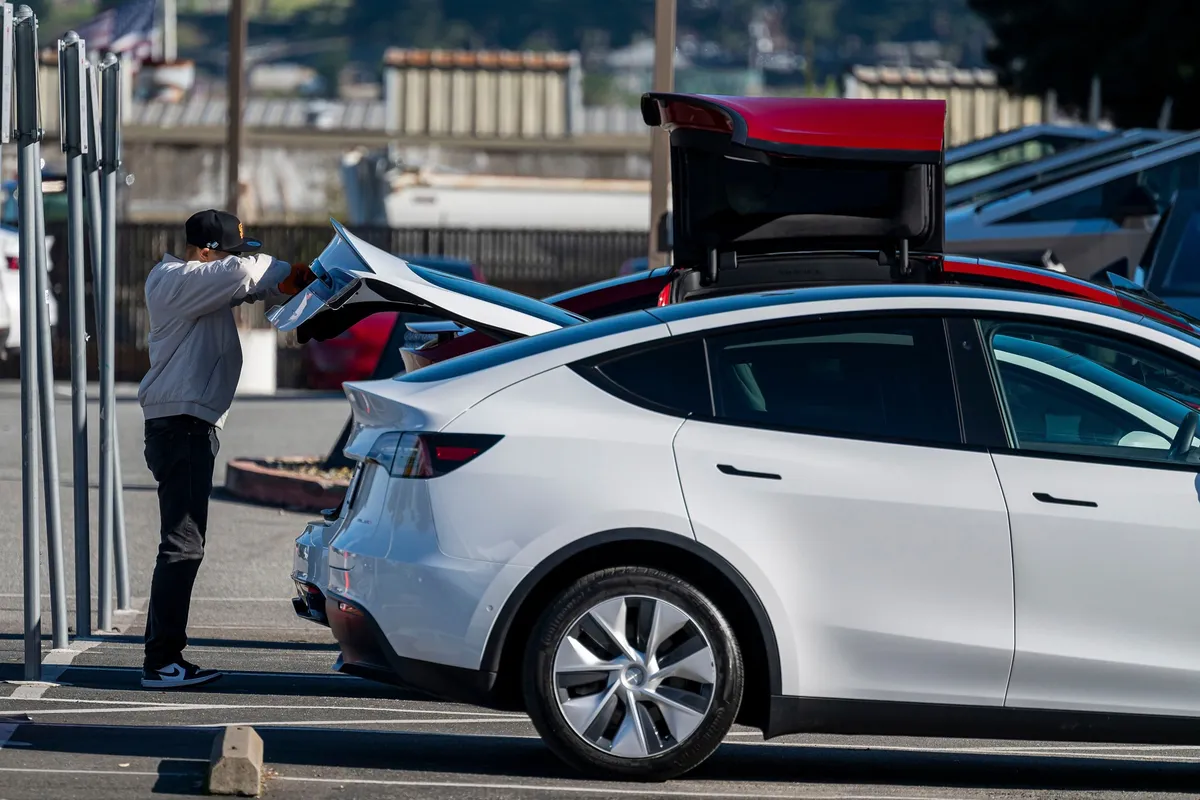
The discontinuation of EV purchase credits, indicative of rising political skepticism towards electric vehicles, is not expected by experts to lead to a sharp decline in EV sales.
The termination of electric vehicle (EV) purchase credits signals a notable shift in the political landscape, reflecting increased skepticism towards the sector's support mechanisms. While the removal of these financial incentives represents a headwind, industry experts do not anticipate a catastrophic decline or a "cliff-edge" drop in EV sales. This suggests a belief that underlying consumer demand, technological advancements, or other market factors are now robust enough to partially offset the withdrawal of government subsidies. The situation introduces a new layer of uncertainty for the EV market, pitting a negative regulatory development against an outlook of relative sales resilience.
AI-powered research, real-time alerts, and portfolio analytics for institutional investors.
Request DemoOverall Sentiment
mixed
Sentiment Score
-0.15
