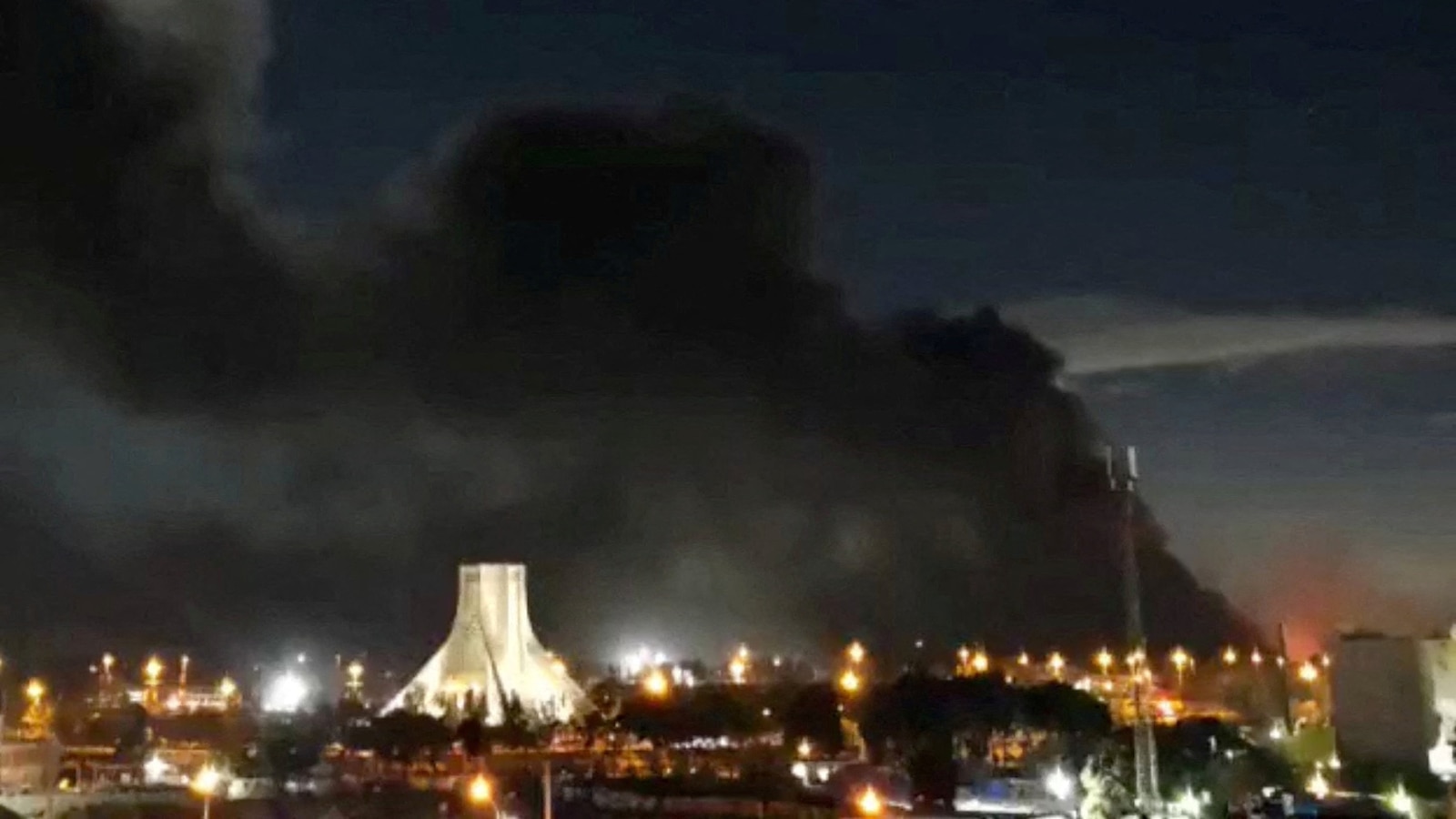
President Trump's public threats to destroy Iranian bridges and power plants and to seize oil constitute a direct escalation that experts say could amount to multiple war crimes and violate international law. The rhetoric raises acute legal and geopolitical risk, amplifying the probability of disruption to transit through the Strait of Hormuz and near-term spikes in oil and safe-haven demand. Portfolio implications: upward pressure on energy and defense sector risk premia and a likely risk-off move in equities and EM assets until escalation risk is reassessed.
The immediate market reaction will be a classic risk-off impulse concentrated in energy, defense, and freight-insurance pricing rather than broad equity sell-offs. A short-lived spike in Brent/WTI is the most likely near-term transmission mechanism — a 10-20% move in oil over days is plausible if shipping through chokepoints is disrupted or insurers widen war-risk premiums, which would mechanically lift integrated and exploration producers while compressing downstream refining margins.
Defense suppliers and cyber-security vendors are the obvious beneficiaries, but the more durable winners are those with multi-year backlog and export-authority “call options” (e.g., hypersonics, ISR, secure comms) where governments accelerate procurement; a 12–24 month acceleration in award cadence is a realistic scenario that could re-rate revenues by 5–10% for select primes. Secondary losers include regional airlines and ports exposed to re-routing, as longer voyage distances increase bunker demand and reduce utilization — expect container spot rates to rise on any protracted disruption, pressuring global logistics players with thin margins.
Tail risks split by horizon: days = kinetic exchanges and insurance shock; weeks–months = sustained supply-chain rerouting and sanctions escalation; years = institutional erosion of norms that lifts baseline defense budgets and energy security capex. Reversals can come quickly via third-party diplomacy, insurance-market normalization, or credible de-escalation confidence-building; these would compress volatility and hurt option-based longs faster than underlying equities.
Consensus positioning likely overcrowds long-defense and long-oil, making volatility-sensitive structures and relative-value pairs more attractive than naked directional exposure. Focus on size discipline, cross-hedges, and event-triggered exits tied to clear diplomatic milestones rather than calendar dates.
AI-powered research, real-time alerts, and portfolio analytics for institutional investors.
Request DemoOverall Sentiment
strongly negative
Sentiment Score
-0.75
