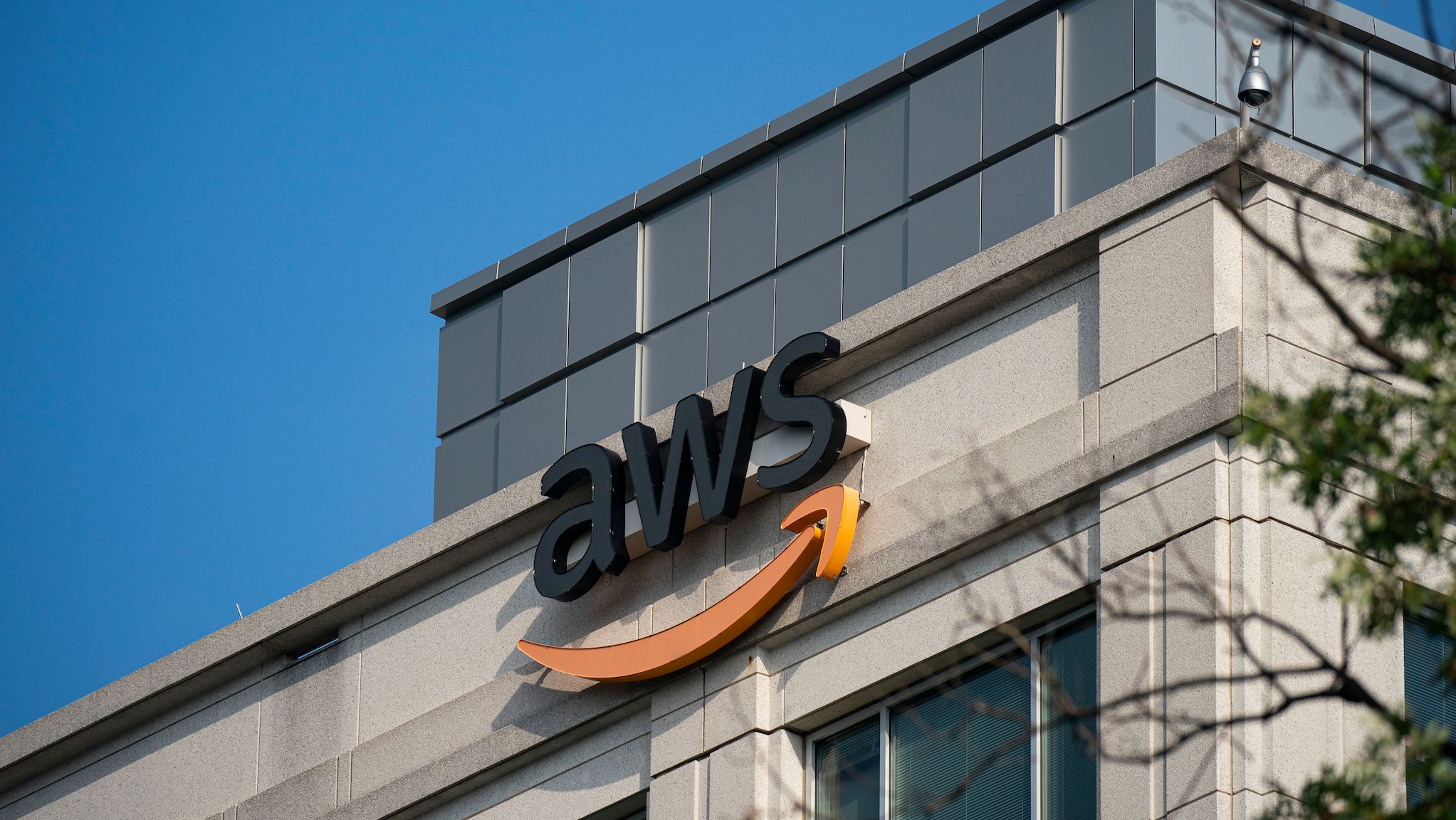
AWS data centers in Dubai (DXB) and Bahrain (BAH) were struck and multiple availability zones were declared “hard down,” with AWS reporting no timeline for normal operations and actively migrating workloads to other regions. The strikes — part of an IRGC campaign that has also hit other cloud providers — raise systemic concentration risks for hyperscale cloud infrastructure and threaten semiconductor supply inputs (aluminum, helium, LNG) transiting the Strait of Hormuz, potentially constraining supply for months to years and prompting risk-off flows across tech and energy sectors.
Concentration risk in hyperscale cloud creates a clear reallocation pathway: enterprise customers with EMEA footprints will accelerate formal multi-cloud gating, adding migration capex and recurring premium for non-core regions. Expect a 3-12 month window where Azure and third-party migration services capture outsized revenue per account (order-of-magnitude higher migration services fees than steady-state cloud margins) as customers buy time and SLA guarantees before full workload rebalancing.
Commodity and logistics knock-on effects matter more than headline outages for semiconductors: disruptions to helium, specialty aluminum, and LNG-derived feedstocks compress wafer supply on a multi-quarter basis, not just days. That elevates the probability of production slowdowns in 2-6 months for GPUs and leading-edge silicon, creating a pathway for cyclical overshoot in prices and inventory dynamics that can amplify NVDA’s revenue volatility even as demand stays structurally strong.
Catalyst map and reversals are asymmetric: near-term geopolitical escalation or further kinetic hits can create 1-3 month operational shocks and insurance/legal tail risks; conversely, rapid hardening (multi-region capacity reservation, customer indemnities, or diplomatic de-escalation) can normalize redundancy expectations in 3-6 months and compress risk premia. Position sizing should therefore favor defined-risk option structures and pair trades that monetize relative winners (enterprise incumbents with broad stack control) vs concentrated infrastructure owners exposed to single-point failure externalities.
AI-powered research, real-time alerts, and portfolio analytics for institutional investors.
Overall Sentiment
strongly negative
Sentiment Score
-0.70
Ticker Sentiment
