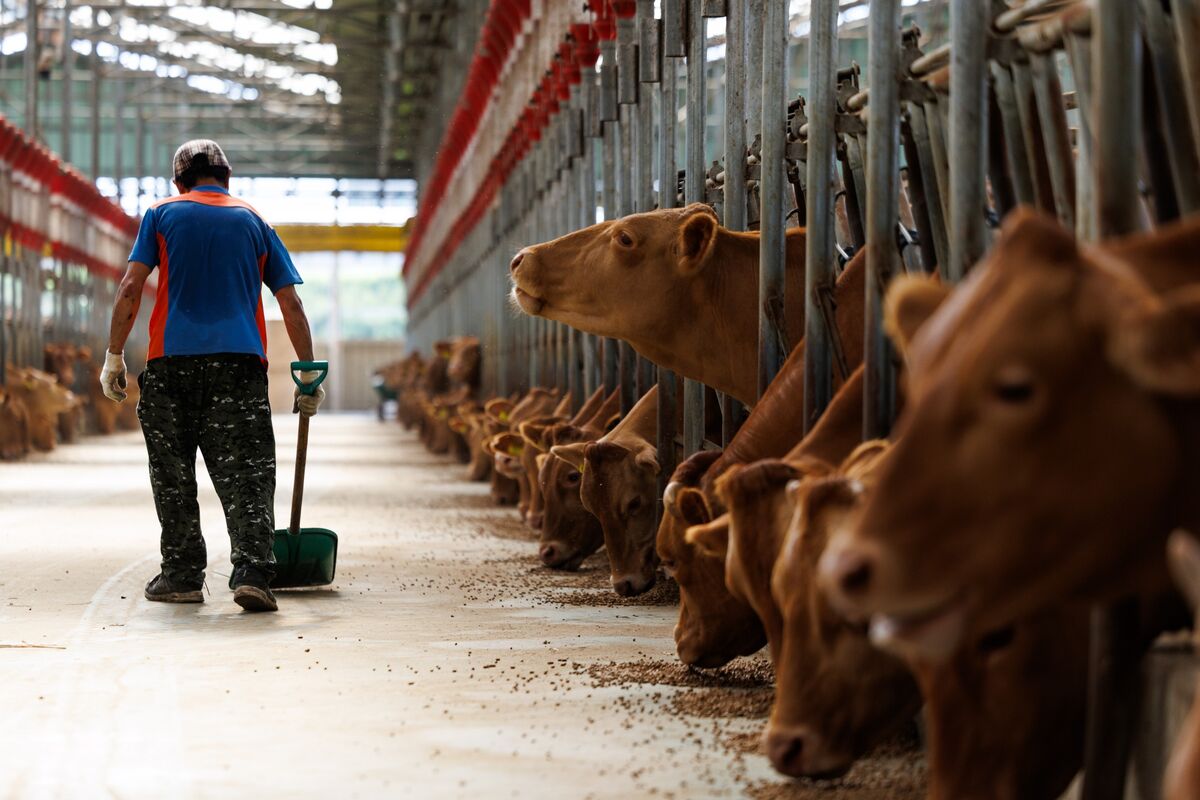
South Korea's President Lee Jae Myung's new administration is reportedly considering opening the nation's politically sensitive beef and rice markets further to U.S. imports. This potential concession, aimed at advancing trade talks, carries significant domestic political risk, as similar proposals in 2008 triggered widespread farmer protests and public backlash.
The new South Korean administration, in office for only two months under President Lee Jae Myung, is signaling a potential shift in trade policy by considering concessions for a US trade deal. The proposal specifically involves granting greater market access to U.S. beef and rice, two highly protected and politically sensitive domestic agricultural sectors. This move carries significant political risk, as the article explicitly references the widespread protests that a similar proposal triggered in 2008, underscoring the potential for substantial public and industry backlash. The situation introduces a notable level of uncertainty, reflected in the moderately negative sentiment score (-0.5), as the government weighs the benefits of an improved trade relationship with the U.S. against the risk of alienating its rural base and provoking domestic instability. The focus on specific commodities like beef and rice highlights a direct threat to the livelihood of local producers, making this a critical issue for South Korea's agricultural economy and a key test of the new government's political capital.
AI-powered research, real-time alerts, and portfolio analytics for institutional investors.
Request DemoOverall Sentiment
moderately negative
Sentiment Score
-0.50
