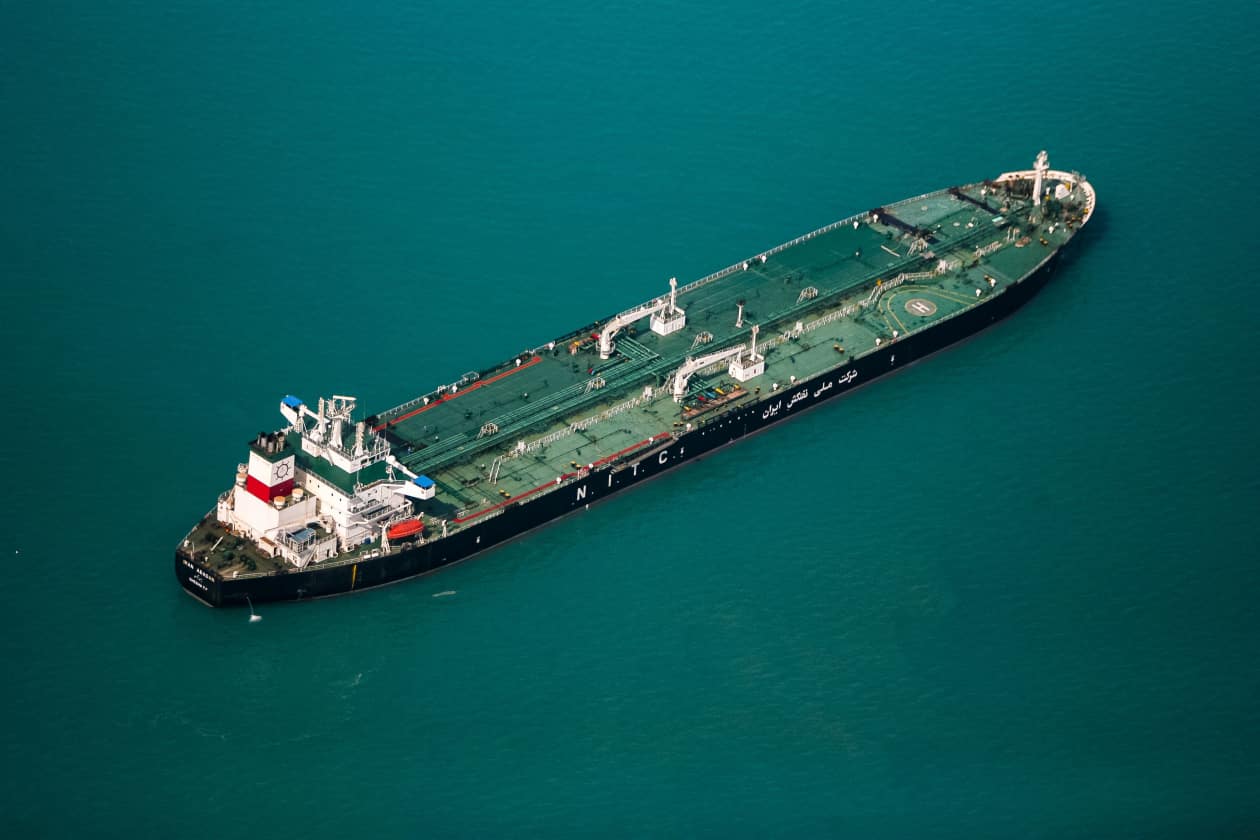
The recent U.S. strike on Iranian nuclear sites has significantly elevated concerns regarding the Strait of Hormuz, a critical chokepoint for approximately 20% of global oil and liquefied natural gas trade. While a full closure is deemed less probable given Iran's economic reliance on the strait and the substantial U.S. naval presence, analysts anticipate increased harassment of vessels, which could still raise shipping costs and transit times. Investors are bracing for a crude rally, with potential worst-case scenarios, according to Oxford Economics, seeing oil prices surge to $130/barrel and a 0.8% reduction in global GDP.
Geopolitical tensions have sharply escalated following a U.S. strike on Iranian nuclear sites, centering investor concern on the Strait of Hormuz, a critical chokepoint for approximately 20 million barrels of oil per day and 20% of the world's liquefied natural gas. While analysts, such as those at CIBC Private Wealth, assess the probability of a full closure as below 50%, the more immediate and likely threat is an increase in vessel harassment through mining or boarding, which would elevate shipping costs and transit times. A full closure, though considered a tail risk, would represent an "unprecedented negative supply shock," with Oxford Economics forecasting a potential oil price spike to $130 a barrel and a 0.8 percentage point reduction in global GDP. The market is positioned for an immediate rally in crude oil. However, a full-scale Iranian blockade is viewed as unlikely due to the substantial U.S. naval presence in Bahrain and the self-inflicted economic damage it would cause Iran, whose own oil exports to China depend on the strait's navigability. The market's initial reaction has been measured, with the S&P 500 down only 0.2% for the week, but the primary impact is expected to manifest in energy markets upon reopening.
AI-powered research, real-time alerts, and portfolio analytics for institutional investors.
Overall Sentiment
strongly negative
Sentiment Score
-0.65
Ticker Sentiment
