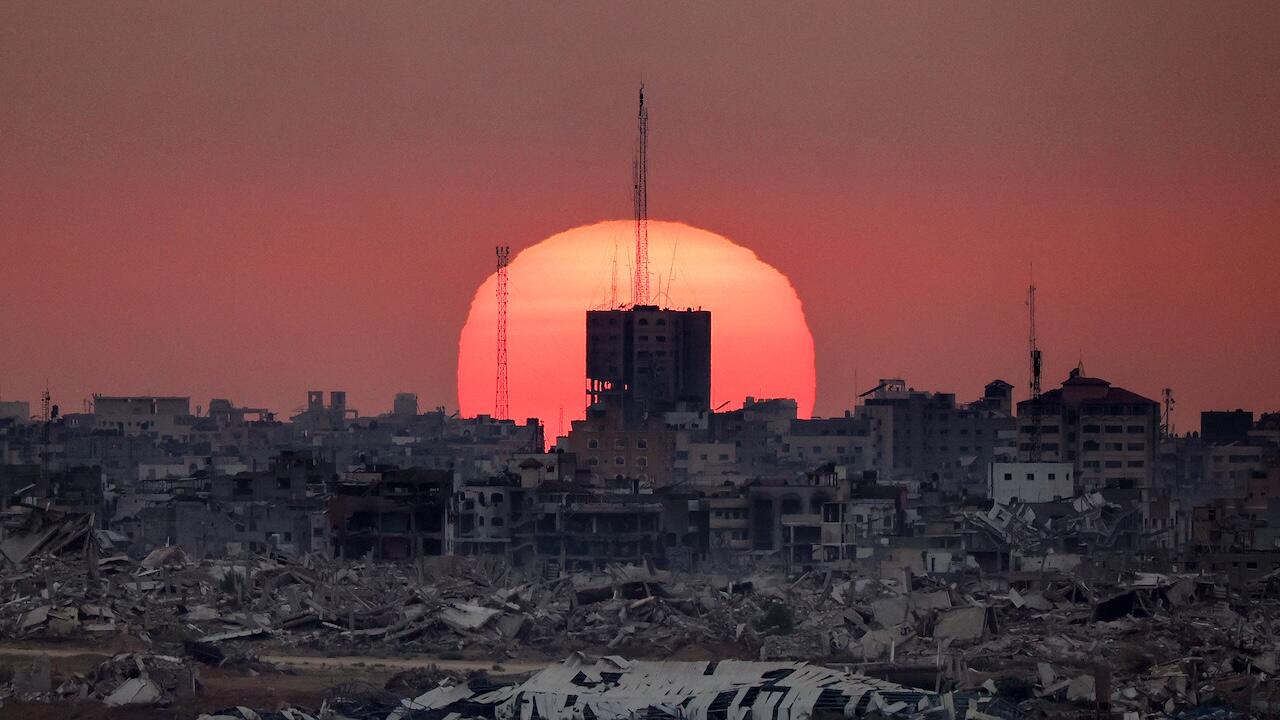
Indirect ceasefire negotiations between Israel and Hamas are set to resume in Doha amid continued Israeli airstrikes that killed at least 38 Palestinians and targeted over 100 sites in Gaza. Israel has sent a negotiating team, though Prime Minister Netanyahu indicates Hamas is seeking 'unacceptable' modifications to the U.S.-led proposal for an initial 60-day ceasefire involving partial hostage release and increased aid. Negotiations remain stalled over Hamas's demand for a guaranteed end to the war and Israeli withdrawal, contrasting with Netanyahu's insistence on retaining the ability to resume operations against Hamas.
Indirect ceasefire negotiations between Israel and Hamas are resuming in Doha, yet the backdrop of continued military operations underscores the deep-seated challenges to reaching an agreement. While the resumption of talks signals a potential path to de-escalation, significant obstacles remain, as highlighted by Israeli Prime Minister Netanyahu's statement that Hamas's demands for changes to a U.S.-led proposal are 'unacceptable'. The core of the disagreement lies in Hamas's requirement for a guaranteed permanent end to the war and a full Israeli withdrawal, which directly conflicts with Israel's stated objective of dismantling Hamas. The ongoing Israeli airstrikes, which reportedly hit over 100 targets and resulted in at least 38 Palestinian fatalities, demonstrate that operational intensity has not abated. The proposed 60-day truce, involving a partial hostage release for increased humanitarian aid, serves as a starting point, but the path to a comprehensive resolution is tenuous, reflecting the situation's overall mixed sentiment and high uncertainty.
AI-powered research, real-time alerts, and portfolio analytics for institutional investors.
Request DemoOverall Sentiment
mixed
Sentiment Score
-0.20
