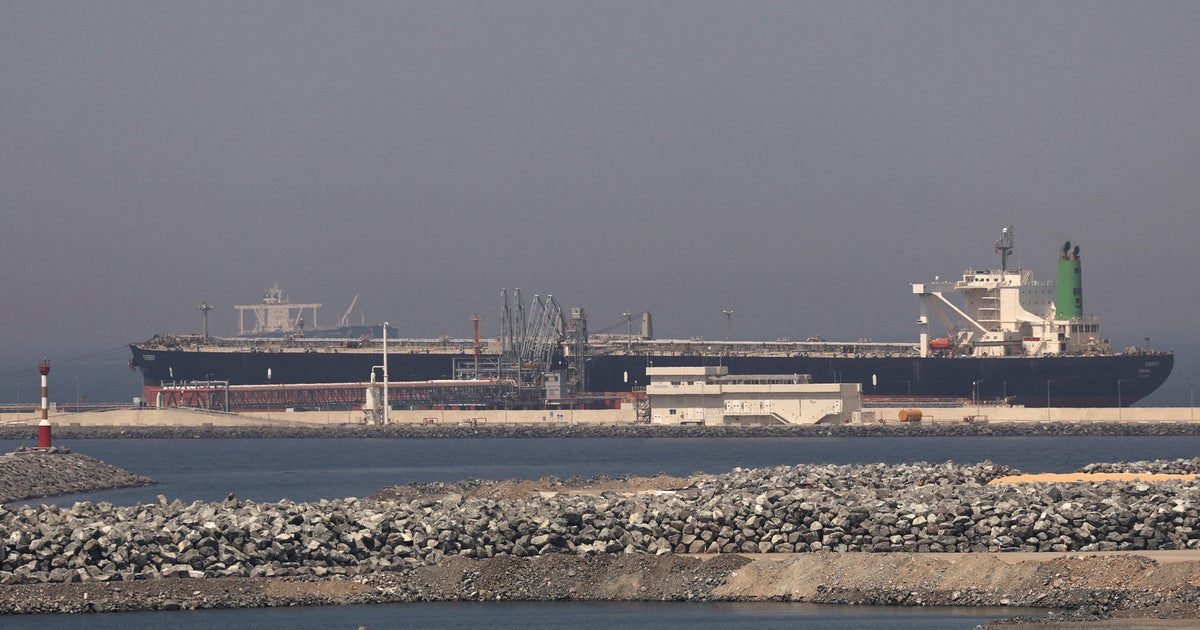
Brent and WTI fell more than 2% Thursday and were both below $100 a barrel as Trump signaled the Iran war could be "over quickly," boosting hopes for a deal and reopening the Strait of Hormuz. Lloyd's List said the strait is currently closed, with no transits recorded since May 4, while Iran is seeking to formalize control over vessel approvals and tolls. U.S. gasoline prices hit $4.54 a gallon, the highest since July 2022, underscoring the inflationary risk from disrupted Middle East oil flows.
The market is pricing a narrow diplomatic window, but the bigger second-order effect is a forced repricing of supply-chain risk premiums across all Asia-dependent importers. If the Strait remains functionally restricted even without outright escalation, the hidden tax is not just crude but insurance, working capital, and rerouting costs for refiners, chemical producers, and bulk shippers; that favors upstream energy over transport-heavy cyclicals and leaves margin pressure lagging in industrials for several weeks after headline oil fades. The important asymmetry is that relief rallies in crude can be fragile when the physical bottleneck is unresolved. A deal headline can knock prompt prices lower quickly, but if vessel passage remains administratively constrained, refined-product markets and freight rates can stay sticky, keeping gasoline and jet fuel inflation elevated for 1-3 months; that means consumers get less relief than equity investors initially expect, and central-bank easing odds may not improve as much as the equity tape suggests. Consensus is likely overestimating how fast normalization would propagate through the real economy. Even if crude breaks lower, the main winner is not broad risk assets but companies with direct exposure to shipping insurance, energy infrastructure, and integrated producers with export optionality; the losers are airlines, discretionary retail, and Asian manufacturers reliant on just-in-time inventory. The contrarian setup is that a ‘peace’ headline may be enough to cool Brent, but not enough to unwind the inflation impulse embedded in retail fuel prices, which is why the market may be underpricing a second-leg move in inflation breakevens if transit approval remains restricted.
AI-powered research, real-time alerts, and portfolio analytics for institutional investors.
Overall Sentiment
mildly positive
Sentiment Score
0.15
