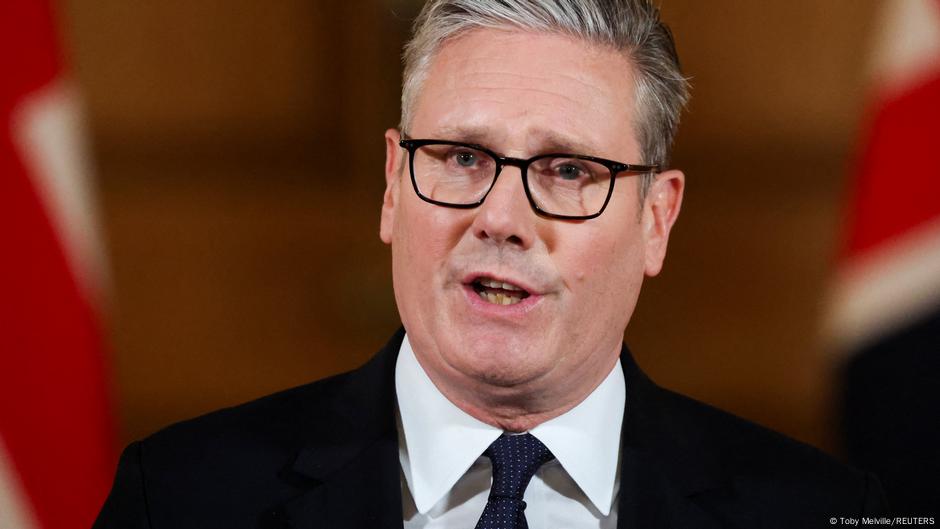
The UK announced it will recognize Palestinian statehood by September unless Israel takes substantive steps to end the Gaza conflict, including agreeing to a ceasefire and allowing unrestricted aid. Prime Minister Keir Starmer stated this conditional recognition aims to advance a two-state solution, aligning with recent French intentions and reflecting mounting international pressure on Israel. Israeli Prime Minister Benjamin Netanyahu sharply condemned the move, asserting it rewards Hamas and undermines efforts for regional stability.
The United Kingdom's conditional declaration to recognize a Palestinian state by September unless Israel significantly de-escalates the Gaza conflict marks a notable shift in British foreign policy and an increase in diplomatic pressure on the Netanyahu government. This move, which follows a similar announcement by France, signals a growing alignment among key European powers to leverage statehood recognition as a tool to advance a two-state solution. The conditions laid out by Prime Minister Keir Starmer are specific, demanding a ceasefire, the entry of at least 500 aid trucks daily, and a commitment against West Bank annexations. Israel's sharp rebuke, framing the UK's stance as a "reward for Hamas," underscores the deep diplomatic rift this creates and elevates geopolitical uncertainty in the region. The policy contains inherent complexities, as the UK simultaneously designates Hamas a terrorist organization while pushing for a sovereign Palestinian state where Hamas currently holds de facto power, a point that will complicate any practical implementation. This development, reflected by a moderate market impact score of 0.6 and an uncertain tone, introduces a new variable into the Middle East conflict, potentially impacting regional stability and the calculations of international partners.
AI-powered research, real-time alerts, and portfolio analytics for institutional investors.
Request DemoOverall Sentiment
mixed
Sentiment Score
0.00
