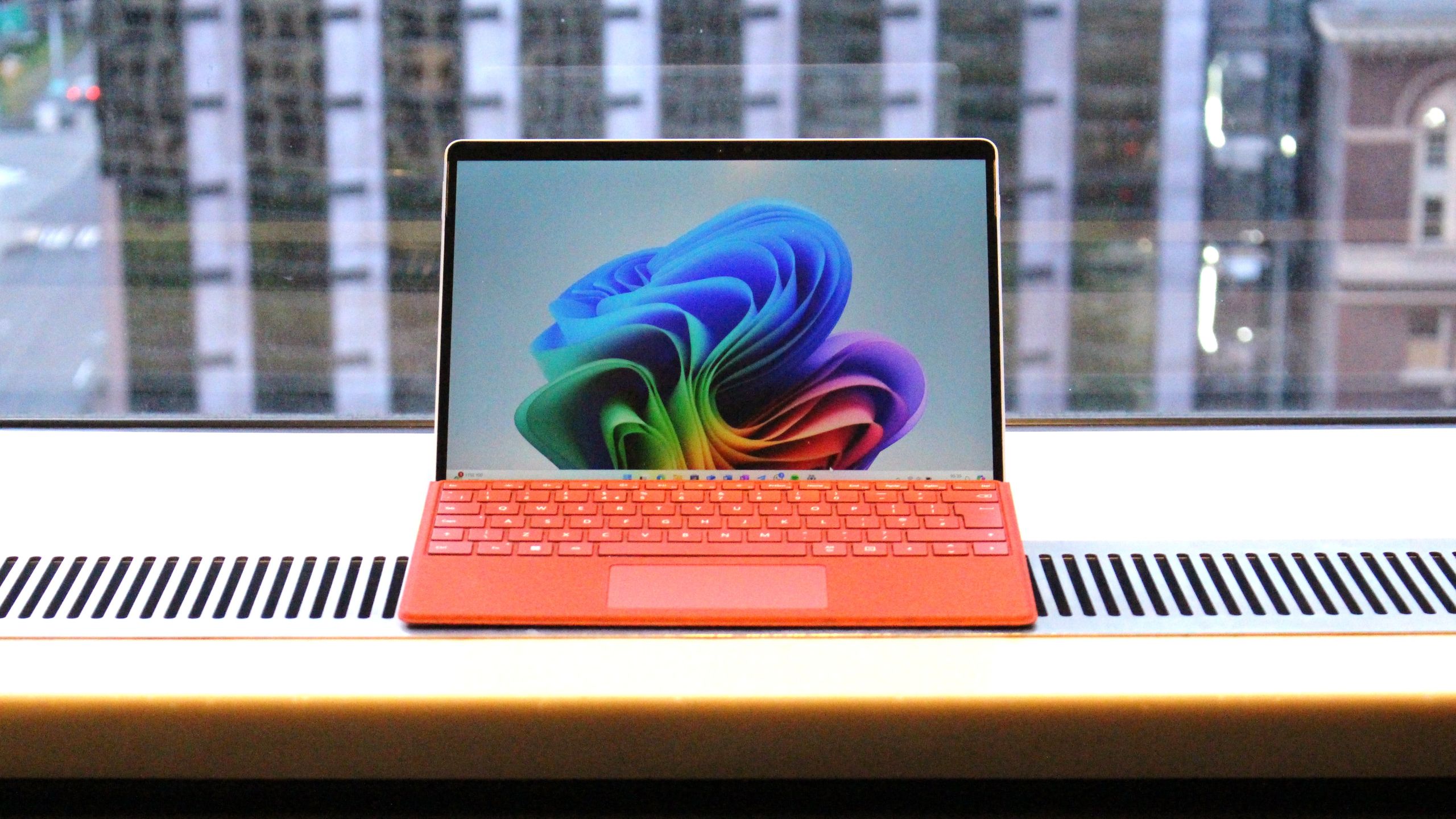
Microsoft is rolling out a slate of Windows 11 feature updates across 2026, including two OS releases — version 26H1 (spring, Snapdragon X2‑only on new PCs) and 26H2 (broad fall release). Major changes emphasize AI and user experience: Copilot integration on the Taskbar and in File Explorer, agentic 'Copilot Actions,' a revamped Widgets board powered by Copilot Discover, a modern Run dialog, Agenda view tied to Outlook, Xbox full‑screen mode for PCs, and native video wallpaper support — updates that should boost user engagement and device differentiation but are incremental rather than near‑term earnings drivers.
Market structure: Microsoft (MSFT) is the clear direct beneficiary—Copilot, agentic APIs, and tighter OS integration push higher Azure consumption (materiality: expect incremental Cloud/AI revenue contribution to accelerate in 4–12 months as Copilot Actions roll out). Qualcomm (QCOM) stands to gain from Snapdragon X2 exclusives in spring 26H1 while legacy x86 vendors (INTC) face asymmetric pressure in low-power segments; gaming UX improvements favor GPU demand (NVDA) and game-optimized PC SKUs. Cross-assets: stronger MSFT fundamentals should tighten credit spreads modestly and increase implied vols ahead of major rollouts (use options to trade event risk); USD may tick up if tech leads broader flows into US equities.
Risk assessment: Tail risks include major privacy/security incident or regulatory action (EU/FTC) that could force default-setting changes or fines >$1bn—probability low but impact high; timeline: immediate volatility around announcements (days), 1–3 months for preview releases, 6–12+ months for measurable monetization. Hidden dependency: meaningful revenue depends on opt-in/paid adoption rates and cloud compute margins—if Copilot usage ramps but monetization lags, margin pressure could appear. Catalysts: spring 26H1 Snapdragon devices (Mar–May) and broad 26H2 rollout (Sep–Nov) will be binary events for sentiment and rev recognition.
Trade implications: Tactical long MSFT exposure into spring and maintain into fall (2–3% equity weight) with option overlays to cap cost; play QCOM long vs INTC short (1.5% vs 1%) to capture ARM-PC share shift over 3–9 months. Use 6–9 month call spreads on MSFT (10–15% OTM buy, 20–30% OTM sell) to express upside into 26H2, and buy short-dated (3-month) 10% OTM MSFT puts (0.5% notional) as regulatory/security insurance. Rotate 3–5% into semis/gaming suppliers (NVDA, AVGO, LRCX) over next 6 months but trim on >30% rallies.
Contrarian angles: The market may overestimate near-term revenue lift—agentic features are off by default and enterprise adoption/paid conversion could be slow, so upside likely backloaded to H2–H3 2026. Conversely, compute cost inflation (Azure GPU consumption) is underappreciated and could compress gross margins if Microsoft subsidizes UX to accelerate uptake. Historical parallel: major Windows UX launches (Windows 10/11) drove engagement but limited immediate monetization; the key mispricing is in options that assume instant profit conversion rather than a multi-quarter cadence.
AI-powered research, real-time alerts, and portfolio analytics for institutional investors.
Request DemoOverall Sentiment
mildly positive
Sentiment Score
0.30
Ticker Sentiment
