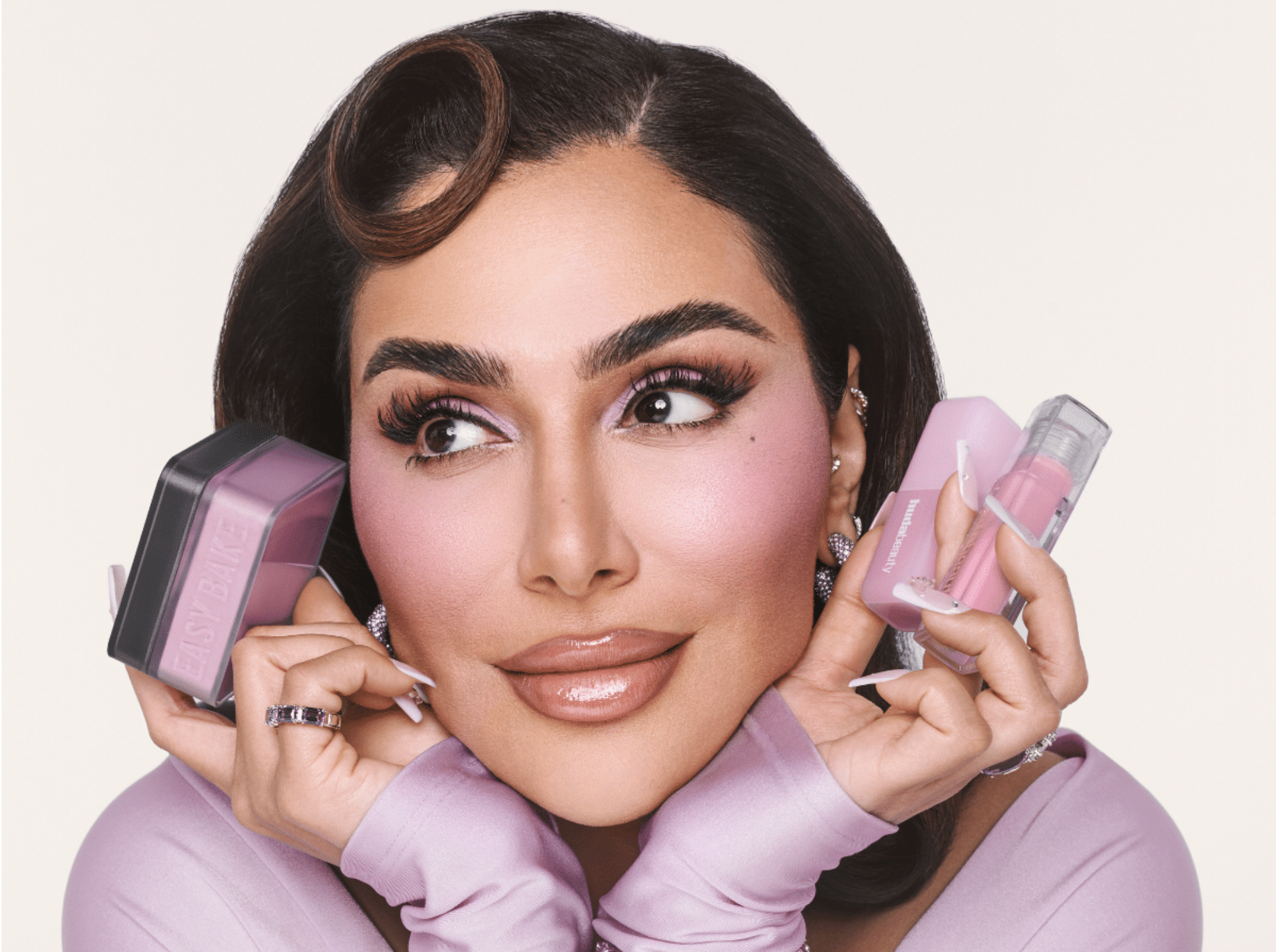
Huda Beauty is experiencing a major reputational crisis after founder Huda Kattan’s comments triggered organized backlash across X, Instagram and TikTok, producing 179,101 posts, 48,713 unique users, 6,529,315 interactions and 984,423,613 impressions in 24 hours with peaks above 10,000 posts/hour on 29 January. The controversy has migrated from product criticism into geopolitically charged activism—prominent hashtags include #iranmassacre, #iranrevolution2026 and #boycotthudabeauty—driving elevated negative sentiment (into the high‑30% range) and cross‑platform amplification that poses short‑term sales and reputational risk for the founder‑led brand. Social listening analysis highlights distinct platform roles in escalation and underscores the need for rapid crisis response to limit longer‑term consumer and investor fallout.
Market structure: The viral Huda Beauty backlash creates winners among diversified incumbents (EL, LVMH/MC.PA) and B2B crisis-tech vendors (Sprout Social SPT) as consumers and retailers reallocate spend away from founder-led, single-brand players. Expect near-term SKU-level destocking at specialty retailers (Ulta ULTA) and lower sell-through for niche brands; a 5-15% weekly sales hit for targeted SKUs is plausible if negative sentiment (>35%) persists beyond two weeks.
Risk assessment: Tail risks include retailer delistings and coordinated institutional boycotts that could create multi-quarter revenue declines for exposed brands and CDS widening for small-cap issuers; regulatory/social-media policy responses are lower-probability but high-impact. Immediate risk window: 0–14 days (viral peak and potential delistings); short-term 1–3 months (sales and inventory adjustments); long-term 3–18 months (brand equity loss or recovery).
Trade implications: Short-duration volatility trades are attractive—buy 1–3 month puts on small/celebrity-branded cosmetics (e.g., COTY) and sell or delta-hedge into calls on diversified players (EL, MC.PA). Rotate 1–3% weight from pure-play beauty into PR/agency stocks (OMC, WPP.L) and social-analytics (SPT) to capture increased crisis advisory spend; use pair trades (long EL, short COTY) to isolate brand-risk premium.
Contrarian angles: Markets may overprice permanent damage; historical parallels (Nike Kaepernick, other boycotts) show 60–120 day mean reversion if management responds decisively and retailers do not delist. If negative sentiment falls under 25% sustained for 30 days or web traffic recovers >50% vs trough, re-enter beaten-up quality names—this is a buy-the-dip trigger rather than a signal to exit the sector permanently.
AI-powered research, real-time alerts, and portfolio analytics for institutional investors.
Request DemoOverall Sentiment
strongly negative
Sentiment Score
-0.60
