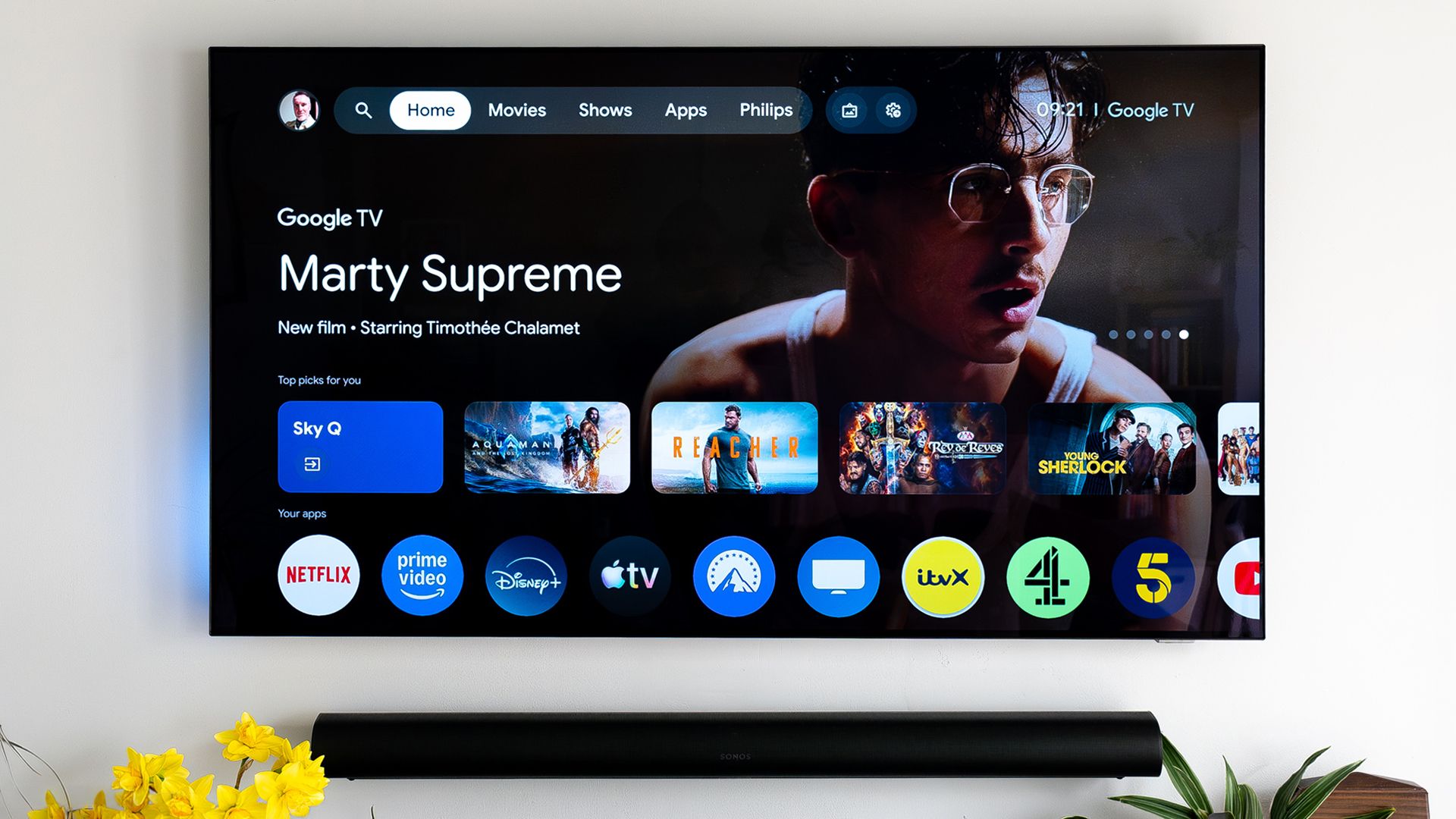
Philips will replace Google TV with Titan OS across all 2026 models, including its high-end OLED range, moving to a cloud-based app platform that streams apps instead of installing them locally. The shift promises improved performance and longevity on lower-powered hardware but currently omits features/apps such as Google Cast, Apple TV and Spotify. Short-term market impact is likely limited, while execution and third-party app partnerships will shape consumer adoption and long-term competitive positioning.
Philips’ pivot to a cloud-first TV OS is a microcosm of an industry move that reallocates value from silicon and embedded software to cloud services and content distribution. OEMs can shave tens of dollars of BOM (lower-spec SoCs, less local storage) which should either lift gross margins on new sets or allow down-statement pricing to chase share; that margin tailwind is crystallized over the next 12–36 months as new models ramp. For platform owners, the consequence is asymmetric: Google loses a high-end distribution lane and device-level signal (Cast/engagement) that incrementally feeds ad/retention metrics, while smaller OS providers and upstream cloud/CDN vendors gain bargaining leverage.
Second-order demand effects matter: if cloud-delivered apps extend functional life of older sets, replacement cycles lengthen and replacement-unit growth (not just ASP) could slip by low-single-digit percentage points over several years — a subtle drag on panel and SoC vendors even as OEM margins improve. Meanwhile, gaps in third-party app support (Spotify/Apple TV) create a short-term aftermarket for set-top boxes and streaming dongles; that is a clear positive for Apple and established streamer ecosystems, and a potential headwind to platform monetization for the new OS.
Risk vectors are execution and ecosystem. Titan-like models only scale if major app partners and a credible cloud supplier sign up; absent that, early adopters will default to alternative devices and OEMs will be pressured to re-license mainstream OSes. Catalysts to watch in the next 3–12 months: Philips’ install-base migration metrics at launch, formal cloud-provider announcements (AWS/GCP), and carriage deals with Apple/BBC/Spotify — any of which could materially re-rate winners/losers.
AI-powered research, real-time alerts, and portfolio analytics for institutional investors.
Request DemoOverall Sentiment
mildly positive
Sentiment Score
0.20
Ticker Sentiment
