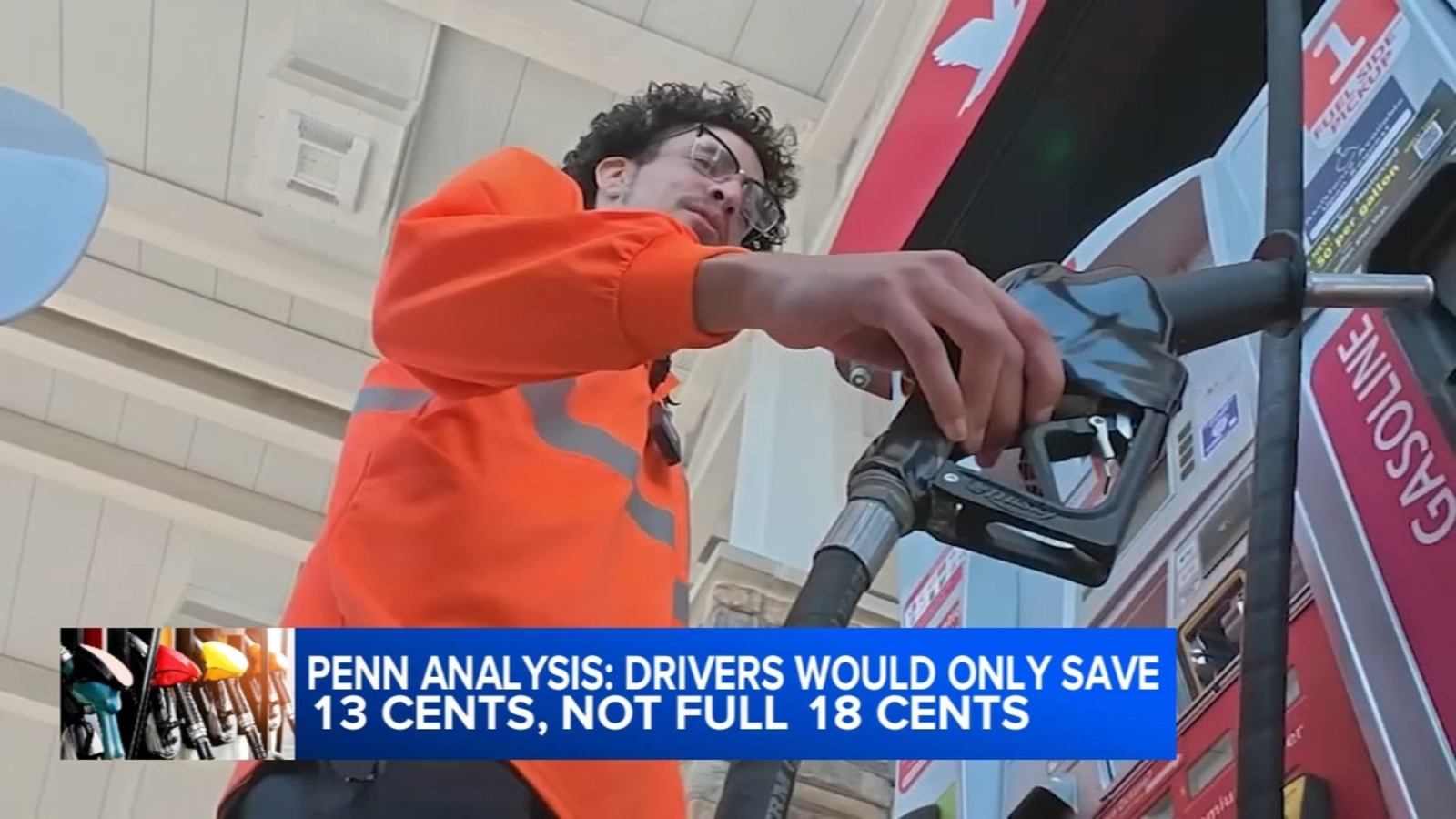
The proposal to suspend the federal gas tax would save drivers an estimated $35 from June to October, though Penn researchers say the effective savings may be closer to 13 cents per gallon as gas stations and suppliers keep part of the benefit. President Trump would need congressional approval to act, and lawmakers are weighing the tradeoff versus highway funding, which relies heavily on the federal gas tax. The debate comes as war-related disruptions keep energy markets elevated and the Strait of Hormuz remains closed.
The market is likely underestimating how little of a federal gas-tax holiday would actually reach consumers. The biggest second-order effect is margin capture by the distribution chain: wholesalers and retailers can reprice gradually, so the consumer benefit may leak away faster than political headlines imply. That makes this a poor direct catalyst for volume-sensitive discretionary spending, but a real near-term signal for fuel-distribution equities if crack spreads stay firm while pump-price optics improve. For energy, the more important variable is not the tax itself but the policy reaction function to a sustained oil shock. A tax suspension is a demand-smoothing tool, not a supply solution, so it can blunt the political pain from higher gasoline prices without materially changing global crude balances. If the Strait disruption persists, the larger winners are assets tied to refined-product scarcity and logistics bottlenecks rather than upstream producers alone, because transportation frictions and inventory hoarding tend to widen regional differentials before headline crude fully adjusts. On the loser side, consumer discretionary and lower-income retail are only modest beneficiaries because the implied household savings are too small to change spending behavior meaningfully over a 3-5 month window. The real macro risk is that lawmakers use a temporary tax pause as a substitute for a broader fiscal response, which could leave highway funding gaps unresolved and create a later financing overhang. If Congress drags this out, the trade becomes one of headline volatility: short-dated moves in fuel-sensitive sectors may overshoot, then reverse once investors realize the policy transfer is too small to matter.
AI-powered research, real-time alerts, and portfolio analytics for institutional investors.
Overall Sentiment
neutral
Sentiment Score
-0.05
