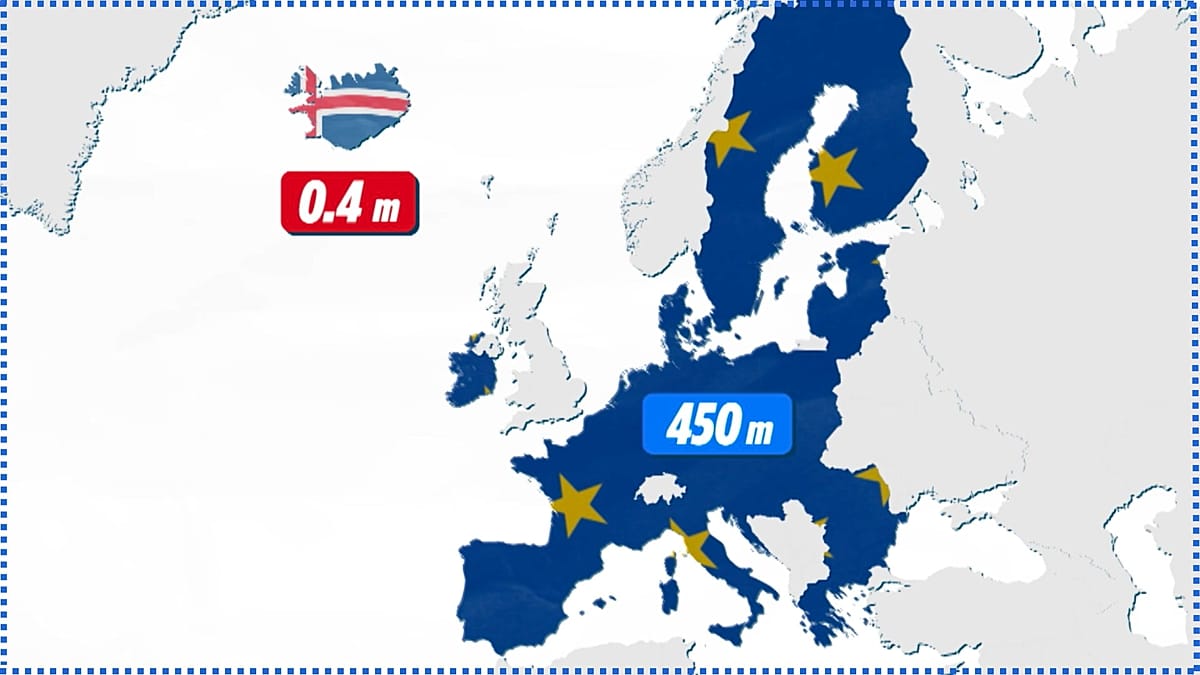
Iceland, which applied to join the EU in 2009 but froze accession talks in 2013 and withdrew in 2015, is reportedly considering accelerating a membership vote originally set for 2027 to as early as this August amid pressure from U.S. policy under President Trump—ranging from tariff threats to rhetoric about Greenland and a quip about making Iceland the 52nd U.S. state. The central barrier remains fishing rights, even as Iceland (GDP per capita roughly double the EU average, population under 1/1,000 of the EU27) already participates in the European Economic Area and NATO, making any accession politically and economically significant but unlikely to be a large direct market mover.
Market structure: A credible August referendum shifts near-term winners to Euro-area capital (potential inflows), Icelandic sovereign bondholders and FX (ISK) if accession removes political risk; clear losers would be Icelandic coastal fishing operators if EU Common Fisheries Policy forces quota concessions, pressuring local equity and private credit. Expect higher volatility in ISK (±4–8% swings), selective strength in EU fish-processing/importers and Arctic shipping specialists if access to Icelandic catch widens; global systemic impact is limited (market impact score ~0.1).
Risk assessment: Tail risks include a Trump-driven US escalation (Greenland-style bids) pushing Iceland further pro-EU or, conversely, a failed referendum that triggers capital flight and temporary capital controls; both have >5% probability in 12 months and would move ISK/bond spreads materially (bps move >100). Near-term (days-weeks) monitor poll shifts and ambassador/trade rhetoric; medium-term (3–12 months) the negotiation/ratification path matters; long-term accession is multi-year with staged impacts on quotas and subsidies.
Trade implications: Tactical plays should target FX and selective equities: short-term FX volatility favors buying ISK vs USD via forwards or NDFs (target +6–8% ISK appreciation vs USD in 3–12 months, stop-loss -4%). Long selective EU seafood/farmed-salmon exposure (MOWI.OL) as a hedge against reduced Icelandic wild supply (target +10–15% in 6–12 months); pair with short positions in Icelandic-listed fishing names or small-cap Icelandic credit where available. Use options to size risks: buy 3–6 month ISK call/ USD put (delta ~25) instead of outright leverage.
Contrarian angles: Consensus understates timeline friction — Norway/EEA precedent implies protracted bargaining, so immediate ISK re-rate may be overdone and vulnerable to mean reversion; if polls swing back, shorting Icelandic financials or sovereign CDS for 3–6 months could be profitable. Unintended consequences include domestic protests and potential protectionist countermeasures that would hurt tourism and exports, creating tactical short opportunities in Iceland-exposed travel/service names.
AI-powered research, real-time alerts, and portfolio analytics for institutional investors.
Request DemoOverall Sentiment
neutral
Sentiment Score
-0.15
