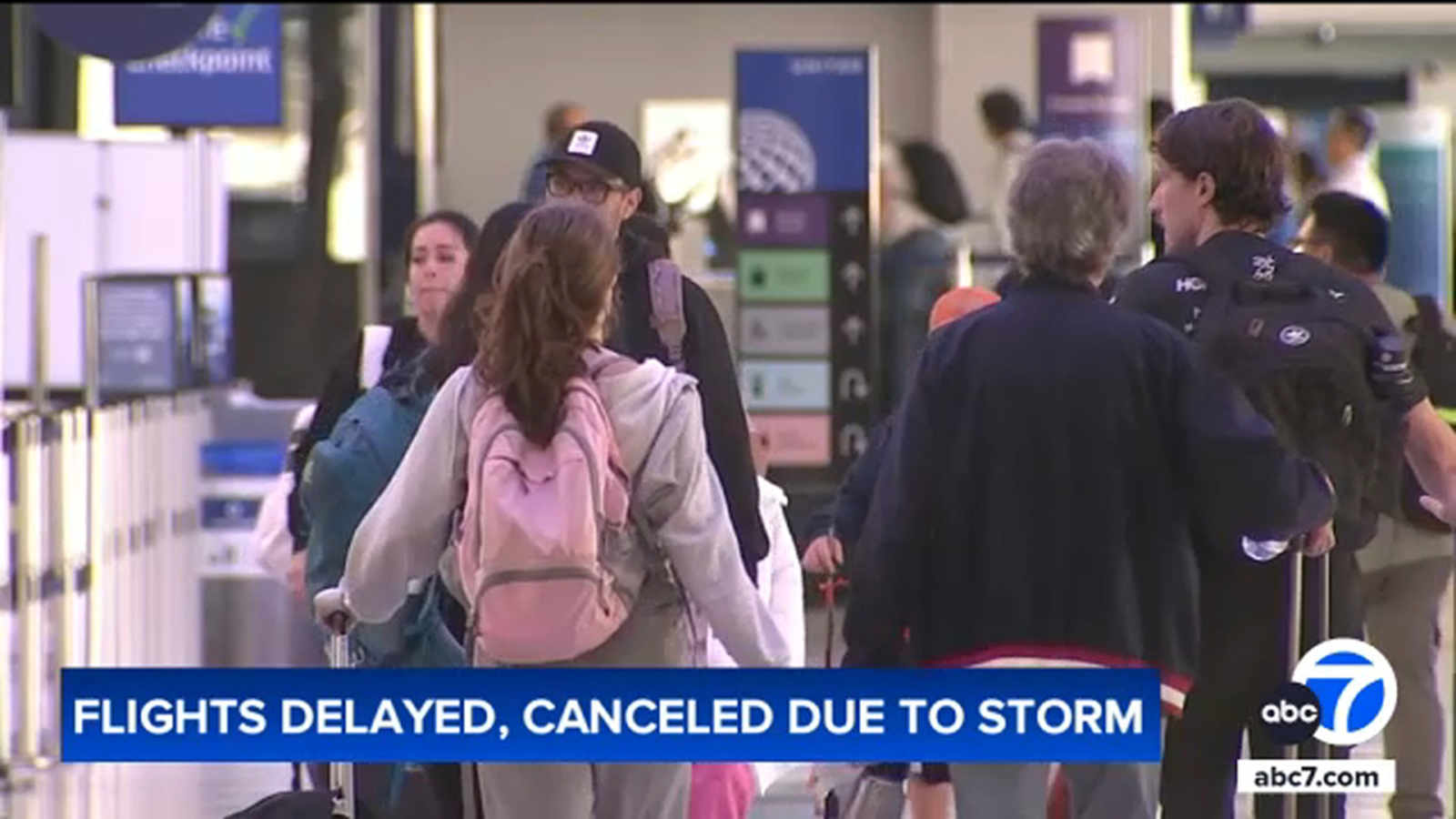
A massive winter storm threatening more than half of the U.S. has caused widespread travel disruption, with more than 2,300 U.S. flights canceled for Saturday and dozens delayed at Los Angeles International Airport (at least 12 cancellations). Dallas Fort Worth International is hardest hit with over 1,100 cancellations, and major hubs including Nashville, Atlanta and Denver also face significant disruptions; roughly 180 million people are on alert across the storm’s footprint. The immediate operational impact creates near-term downside risk for airlines, airport operations and travel-related services through lost revenue, schedule churn and potential incremental costs, while posing limited broader market implications beyond short-term sector pressure.
Market structure: immediate losers are commercial airlines and airport-dependent services (AAL, DAL, LUV, UAL, JETS ETF) facing schedule cancelation costs, rebooking/refund liabilities and hourly de-icing/crew costs; winners are short‑duration energy and heating commodity exposures (Henry Hub, ULSD/HO) and utilities where load spikes support pricing. Competitive dynamics: low‑cost carriers with thin margins (LUV, SAVE) have less pricing power to pass higher ops costs to consumers; OTAs/booking platforms (EXPE, BKNG) are structurally insulated and can capture rebooking revenue, shifting short‑term share away from airline direct revenue. Cross‑asset: expect safe‑haven bid in Treasuries (2s/10s flattening) and USD marginally firmer; airline equity implied vol and JETS IV should rise 20–50% intraday; natural gas front-month could spike 10–25% if multi-day cold persists.
Risk assessment: tail risks include multi-day airport gridlock causing cascading supply‑chain delays, regulatory action (compensation/operational mandates) or liquidity stress for highly levered carriers—each could generate >20% downside for specific names over weeks. Time horizons: immediate (days) = revenue loss and IV spikes; short (weeks–months) = balance sheet/earnings hits from higher opex and fuel repricing; long (quarters) = potential market-share shifts if repeat storms trigger consumer behavior changes. Hidden dependencies: crew/slot rotation creates multi‑day knock‑on cancellations independent of weather; catalysts to watch are NOAA forecasts, TSA cancel counts (>5k/day), and EIA storage/temperature deviations.
Trade implications: direct short bias on fragile carriers via capped downside option structures; long short‑term natural gas/heating oil exposure; relative long OTAs (EXPE/BKNG) vs short airline operating names to capture resilience. Specific execution: use short-dated (1–4 week) put spreads on AAL/LUV sized to 1–3% NAV, buy UNG or 1–2 week NG call spreads if HH rises >10%, and buy JETS short-dated straddles only if IV >30% to capture event volatility. Entry/exit: enter within 48 hours, trim/exit as daily cancellations normalize below 2,000/day or IV reverts by 10 vols.
Contrarian angles: consensus may overstate structural harm—histor storms (2014–2018) produced 5–15% airline drawdowns with full recovery in 4–8 weeks as pent‑up travel re‑books; implied vol >35% can be sold into for highly liquid names. Mispricings: well‑capitalized legacy carriers (DAL) often recover faster than budget peers—avoid broad sector shorts longer than 6–8 weeks. Unintended consequences: aggressive shorts risk a liquidity squeeze if regulators impose mandatory rebooking/compensation, creating sticky operational costs and gap risk.
AI-powered research, real-time alerts, and portfolio analytics for institutional investors.
Request DemoOverall Sentiment
moderately negative
Sentiment Score
-0.35
