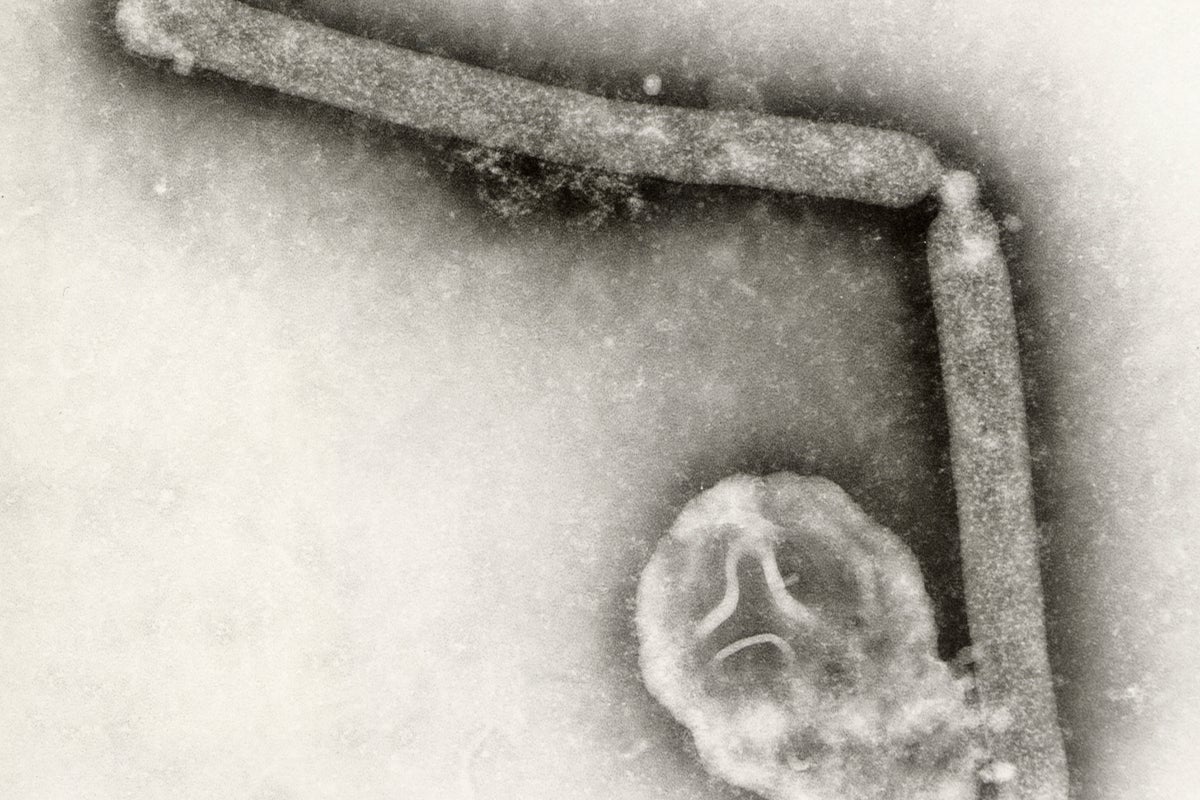
Washington state health officials reported an older adult in Grays Harbor County has died after infection with the H5N5 avian influenza strain—apparently contracted from a backyard flock exposed to wild birds—marking the first known human H5N5 fatality. Authorities and the CDC say the public risk remains low, there is no evidence of human-to-human transmission, contacts are being monitored, and H5N5 is not believed to be more dangerous than the H5N1 strain that caused about 70 U.S. human infections in 2024–25. For investors, the immediate market risk appears limited, but the case heightens the need to monitor poultry supply chains, biosecurity measures and potential regulatory or trade responses should avian spread increase.
Washington State health officials reported an older adult from Grays Harbor County has died after infection with the H5N5 avian influenza strain, the first known human H5N5 fatality; the individual kept a backyard flock that officials suspect was exposed to wild birds. The state will monitor anyone who had close contact with the decedent and reported no other positive human tests, while the CDC stated this case does not indicate increased public-health risk.
Public-health authorities emphasize there is currently no evidence of human-to-human transmission and that H5N5 is not believed to be a greater threat than the H5N1 strain implicated in roughly 70 U.S. human infections in 2024–25, most of which were mild among farm workers. The article notes the virological distinction involves a protein that promotes release and spread between cells; clinically, bird flu incubation is typically 3–5 days with potential for rapid progression to pneumonia or ARDS.
Market signals and sentiment are mildly negative but suggest limited immediate disruption (market impact score 0.18); primary near-term commercial risks are concentrated in poultry supply chains, animal-health and biosecurity costs, and any regulatory or trade responses if avian spread increases. Investors should therefore watch surveillance data, official transmission updates, and any regional containment measures that could affect agricultural producers and related logistics.
AI-powered research, real-time alerts, and portfolio analytics for institutional investors.
Request DemoOverall Sentiment
mildly negative
Sentiment Score
-0.25
