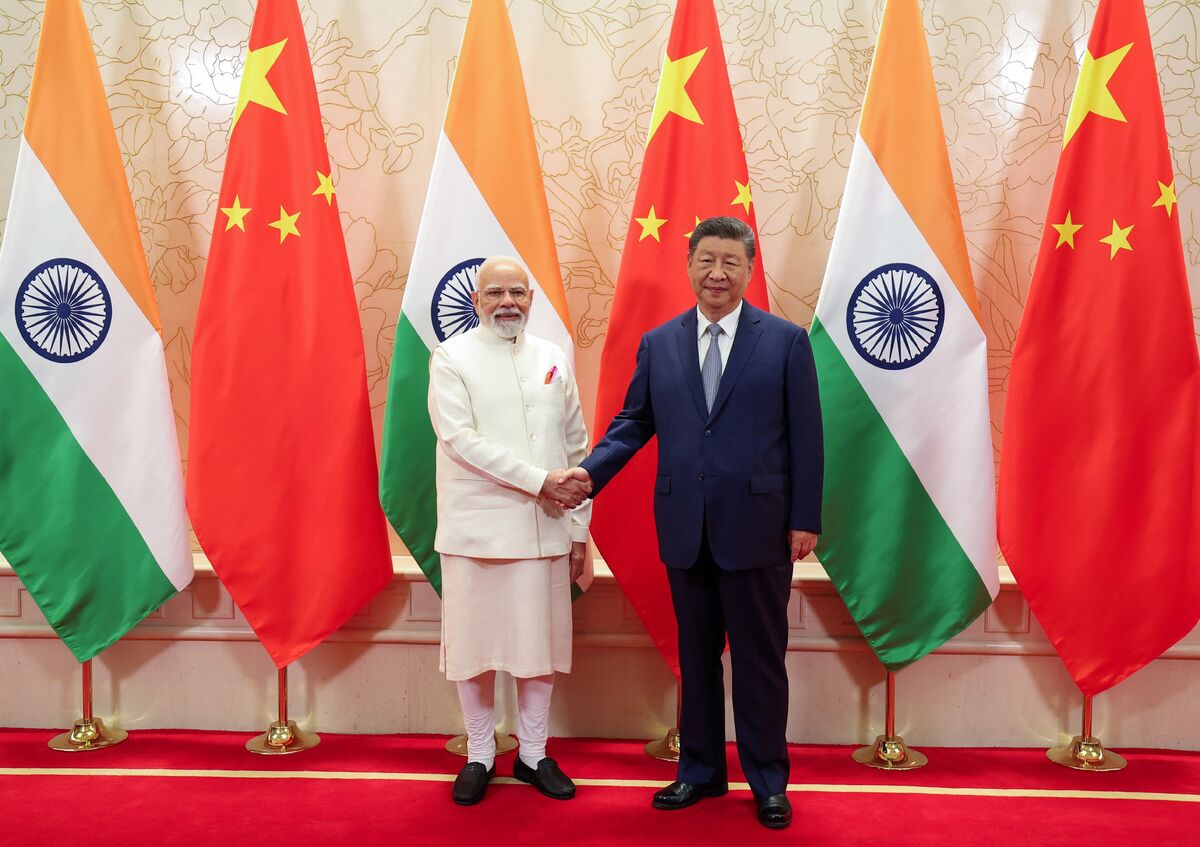
Indian Prime Minister Narendra Modi utilized his first trip to China in seven years to reset relations with President Xi Jinping, pledging partnership and discussing increased trade and border issues, while simultaneously strengthening ties with Russia. This diplomatic pivot, occurring amidst heightened tensions with the Trump administration, signals a significant recalibration of India's geopolitical alignment and could impact global trade and strategic alliances.
India is executing a significant geopolitical pivot, strengthening ties with China and Russia in a direct response to rising tensions with the United States under the Trump administration. Prime Minister Narendra Modi's first visit to China in seven years culminated in a meeting with President Xi Jinping where both leaders pledged a relationship of 'partners, not rivals.' The discussions, which covered resolving border issues, resuming direct flights, and increasing trade, signal a material effort to reset relations between the two regional powers. This strategic realignment, occurring at a regional security and economic summit, has the potential to reshape trade policies and supply chains, creating a new axis of cooperation that could challenge the existing global order. The moderately positive sentiment surrounding the talks suggests a de-escalation of regional tensions, creating a more optimistic outlook for economic collaboration between the two most populous nations.
AI-powered research, real-time alerts, and portfolio analytics for institutional investors.
Request DemoOverall Sentiment
moderately positive
Sentiment Score
0.60
