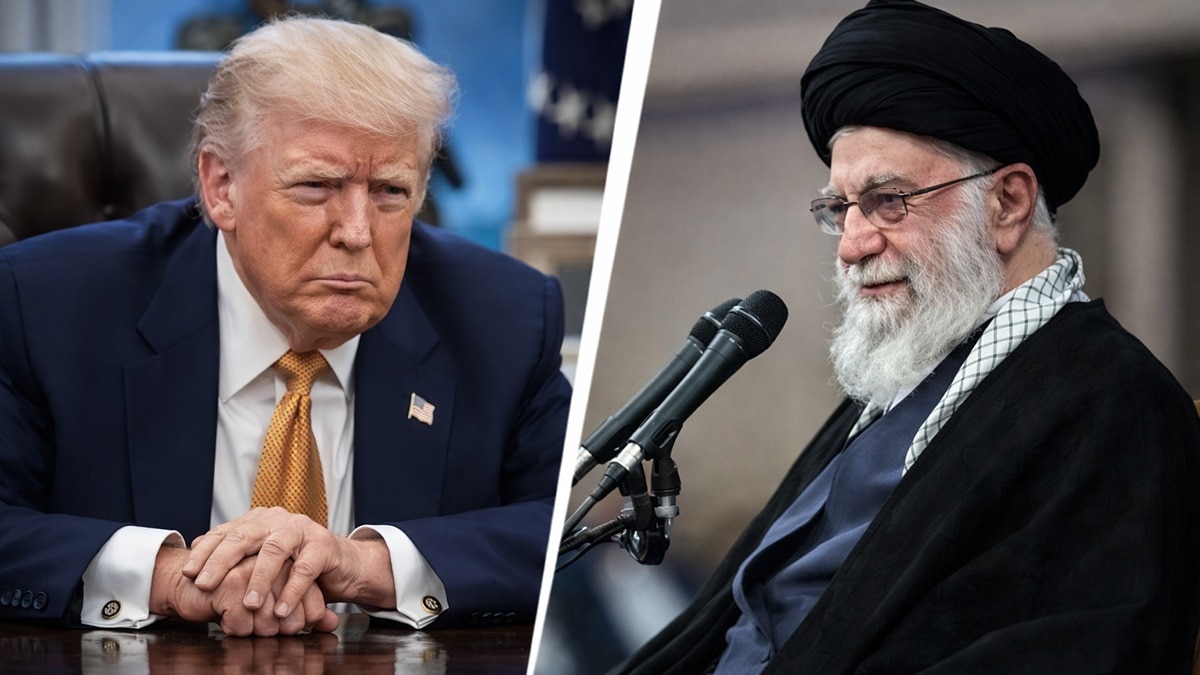
US officials cited by Axios assess about a 90% chance of kinetic US strikes on Iran in the coming weeks, predicting any operation would be a sustained multi-week campaign likely conducted jointly with Israel and possibly larger than last year’s 12‑day strikes. Rapid deployments of US fighter jets to the region, Iranian-Russian naval drills and Revolutionary Guards exercises in the Strait of Hormuz materially elevate geopolitical risk, threaten regional energy flows and are likely to drive risk-off positioning, upward pressure on oil and safe-haven assets, and heightened market volatility.
Market structure: Immediate winners are defense primes (RTX, LMT, NOC, GD) and integrated oil majors (XOM, CVX) that gain pricing power from higher hydrocarbon prices and defense budgets; immediate losers are airlines (AAL, UAL), leisure travel, Middle‑East EM equities and tanker operators. A credible multi‑week campaign implies sustained oil demand shock risk (1.0–2.5 mb/d disruption scenario) compressing global spare capacity and widening Brent–WTI spreads; insurance and freight rate spikes will shift logistics costs into inflation prints.
Risk assessment: Tail scenarios include a prolonged regional war that pushes Brent >$120–$150 within 1–3 months, systemic cyberattacks on energy/infrastructure, or full chokepoint closures—each would force central bank and fiscal responses. Time horizons: immediate (days) = volatility and flight‑to‑quality; short (weeks–months) = oil up, equities down, defense capex priced in; long (quarters–years) = supply chain reshoring, higher structural energy investment. Hidden dependencies: tanker insurance/NOW shifts, secondary sanctions on counterparties, and commodity hedges that can amplify moves.
Trade implications: Favor tactical long energy/defense exposure and risk‑off hedges (gold, USD) while shorting travel/leisure and select EM currency/carry trades; use options to contain capital at risk. Prepare for 30–60% vol spikes in oil and 20–40% in selected airline stocks; liquidity can dry up for mid‑cap EM and maritime names so size positions conservatively.
Contrarian angles: Consensus overprices permanence—past tanker/Hormuz shocks (2019/2019–20 episodes) showed large intra‑month spikes that partially mean‑reverted within 6–10 weeks once shipping rerouted and US shale responded. Defense multiples already price in near‑term wins—if conflict is limited or diplomatic resolution occurs within 4–8 weeks, energy and defense rallies could retrace 30–50%, creating fade‑the‑spike opportunities. Unintended consequence: sustained high oil will accelerate investment in US shale and renewables 6–18 months out, capping long‑term upside for majors.
AI-powered research, real-time alerts, and portfolio analytics for institutional investors.
Request DemoOverall Sentiment
strongly negative
Sentiment Score
-0.80
