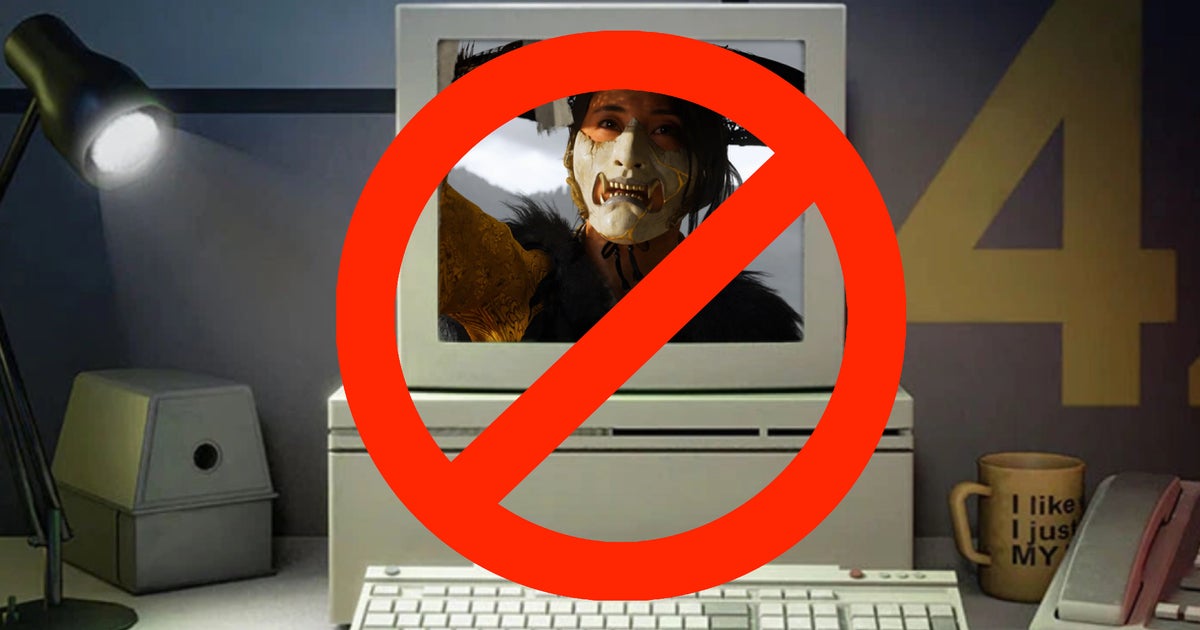
Sony is reportedly ending PC releases for its narrative single-player PS5 games, keeping titles like Marvel's Wolverine and Intergalactic: The Heretic Project exclusive to PlayStation. Bloomberg cited weak PC sales and concern that PC availability could dilute the PlayStation brand and reduce PS5 hardware sales. Multiplayer titles such as Marathon and Marvel Tokon appear unaffected, while the Kena sequel Scars of Kosmora is still expected to come to PC.
Sony is effectively tightening the monetization funnel around its highest-value software: force the premium narrative title to act as a hardware acquisition tool rather than a standalone P&L line item. The second-order effect is that first-party games now become a more explicit subsidy for PS5 ecosystem share, controller attach, and likely PS Plus retention, which should support console margin durability even if unit growth stays sluggish. The flip side is that Sony is surrendering a low-competition, high-margin incremental revenue stream on PC, so near-term software top-line breadth likely narrows while the platform mix becomes more dependent on a shorter list of blockbuster launches. For competitors, this is more relevant to Microsoft’s hardware strategy than to its software business. If the next Xbox leans into PC compatibility, Sony’s exclusivity stance raises the stakes of the next-gen battle by making some tentpole content less fungible across devices, which could modestly improve PlayStation’s relative value proposition at launch. The risk is that this also reinforces a segmentation dynamic where Sony becomes more like a closed console IP house while Microsoft increasingly monetizes through cross-device distribution, cloud, and PC storefronts; over 12-24 months, that could widen the strategic gap in software ecosystem breadth even if Sony wins some hardware mindshare. The market may be underestimating execution risk around the transition period: investors will want clarity on whether this is a hard policy for all future single-player releases or a title-by-title exception framework. If messaging is sloppy, the company could spook PC-native consumers without immediately converting them into console buyers, creating a short-term brand negative with limited offset. The key catalyst window is the next major gaming showcase, where confirmation or backtracking will determine whether this is a durable strategic pivot or just selective portfolio management. Contrarianly, the move may be less bearish than it looks because the PC audience for premium single-player content often has high willingness to pay but weak urgency, so Sony may be pruning a low-quality channel while protecting pricing power elsewhere. The bigger risk is not lost PC sales per se, but any evidence that Sony is overfitting to a narrow view of brand protection and underinvesting in lifetime value optimization across platforms.
AI-powered research, real-time alerts, and portfolio analytics for institutional investors.
Request DemoOverall Sentiment
moderately negative
Sentiment Score
-0.20
Ticker Sentiment
