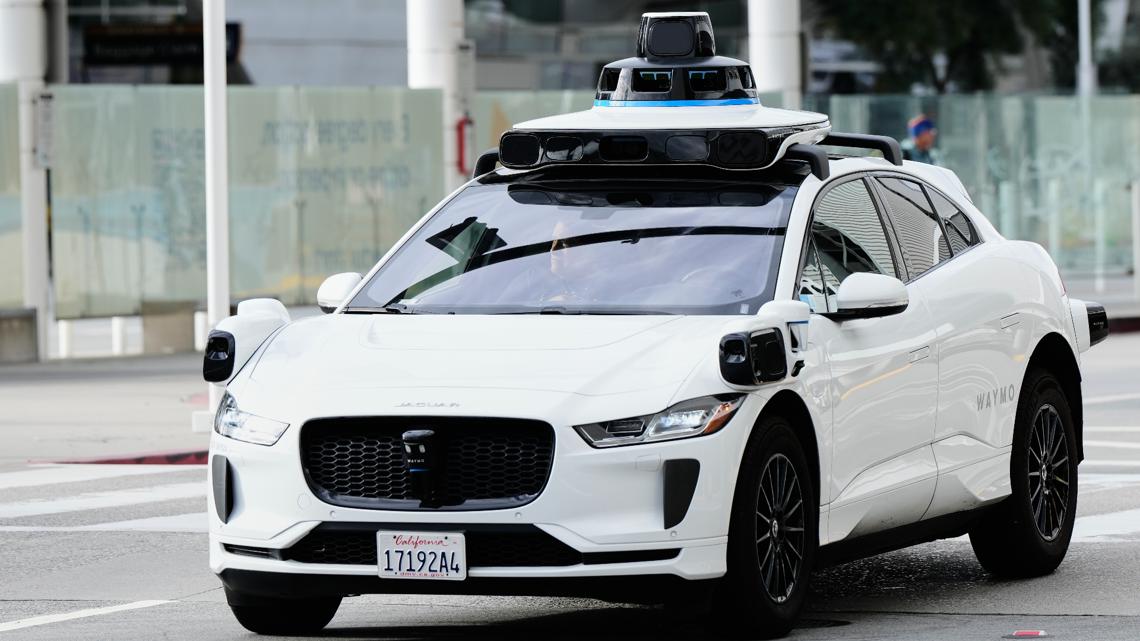
Waymo recalled 3,791 autonomous vehicles after NHTSA found a software defect that could cause robotaxis to proceed into floodwater on higher-speed roads, increasing crash and injury risk. The company says an interim fix has already been deployed to all affected vehicles, but a permanent remedy has not yet been provided. The recall adds regulatory scrutiny to the autonomous vehicle sector as Waymo expands commercial robotaxi services in major U.S. markets.
This is not a single-vehicle defect story; it is a credibility event for the whole autonomous-driving stack. The immediate damage is likely less about direct customer churn and more about a higher regulatory hurdle rate: every future city launch, weather expansion, and operational design domain widening now gets priced with a larger delay probability and more conservative safety evidence requirements. That tends to compress the option value of the category, because AV economics depend on scaling quickly across geographies before utilization and route density fully mature.
The second-order winner is the human-driver incumbent ecosystem. If autonomous fleets are forced to stay more conservative in adverse weather and edge-case conditions, the competitive gap narrows materially in the exact conditions where robotaxis are supposed to demonstrate superiority. That supports rideshare and fleet-management models that can flex capacity with less regulatory scrutiny, while also benefiting OEMs and sensor/software suppliers whose revenue is tied to broader ADAS adoption rather than full autonomy milestones.
The key timing issue is that the market often overreacts to recalls in the near term but underprices the multi-quarter drag from reporting requirements and remedy uncertainty. A temporary software patch is not enough to clear the overhang; until a permanent fix is approved and no similar edge-case defects emerge, this can slow partner negotiations, city permitting, and fleet expansion budgets. The tail risk is that one more high-profile weather or water-related incident converts this from a technical issue into a narrative reset on autonomous safety, which would hit sentiment across the entire AV complex.
Contrarian view: the defect may actually be evidence the system is learning in the field rather than a fatal flaw. If the company can show a clean remediation cycle and tighter operational constraints without affecting ride availability too much, the long-term moat remains intact because real-world edge cases are exactly what separate leaders from demos. The market may be overpricing the permanence of the setback if the interim fix is already deployed and no injury event occurred.
AI-powered research, real-time alerts, and portfolio analytics for institutional investors.
Request DemoOverall Sentiment
moderately negative
Sentiment Score
-0.45
