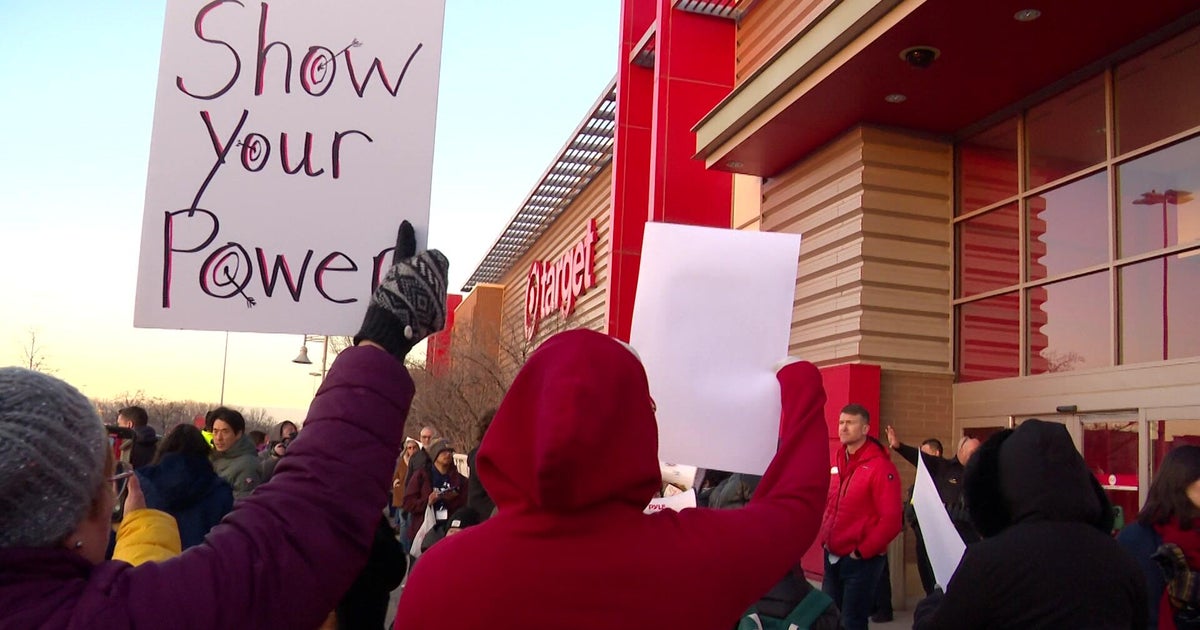
Protests organized by the ICE Out Now Minnesota Coalition targeted a Richfield Target after a January video showed agents detaining two Target employees, and activists say about 20 people were arrested at the latest demonstration. Protesters demand Target publicly bar ICE access without warrants, train staff on ICE encounters, lobby Congress to cut ICE funding and call for federal accountability; Target has denied formal cooperative agreements with ICE and its CEO joined 60 Minnesota companies calling for de-escalation. The demonstrations pose reputational and operational risk for Target and are ongoing until community concerns receive a response, though no direct financial figures or immediate operational disruptions were reported.
Market structure: This is a localized reputational shock to TGT driven by ESG/activist pressure rather than fundamentals; immediate foot-traffic risk is concentrated in Twin Cities and other progressive metro areas and likely trims sales by low-single-digit percentage points in affected ZIP codes for days-weeks. Competitors with discount or perceived-neutral stances (WMT, DLTR) are the primary beneficiaries—expect a 25–100 bps share-flow in affected metros if protests persist beyond two weeks. Macroeconomic supply/demand for retail goods is unchanged; pricing power impact is negligible unless the narrative triggers a broader consumer boycott (>1% national penetration). Cross-asset: expect a small rise in Target implied volatility (IV up 15–40% intraday), minor spread widening in retail credit (5–20bp) and limited FX or commodity impact.
Risk assessment: Tail risks include organized national boycott or coordinated employee walkouts causing a 2–5% hit to Q/Q revenues, or litigation/regulatory scrutiny around policing at private property that forces policy changes—low probability but material to FY guidance. Time horizons: immediate (1–7 days) PR and IV spikes; short-term (weeks–3 months) traffic and guidance risk; long-term (3–24 months) brand/ESG positioning and policy changes that could alter workforce retention and CAPEX allocation. Hidden dependencies: activist escalation can attract institutional ESG investors or proxy proposals; second-order effects include higher compliance/training costs (~$10–50M range) and incremental signage/legal expenses. Catalysts: viral video recirculation, state/federal legislative action, or a coordinated national campaign by large NGOs.
Trade implications: Tactical hedges in TGT are warranted while uncertainty persists. Favor small, option-based hedges: 1–2% portfolio-equivalent protection via 3–6 month 7–12% OTM put spreads to limit cost, or buy-to-open 1–3 week ATM straddles if IV remains elevated before anticipated news cycles. Relative-value: pair long WMT (0.5–1% NAV) / short TGT (0.5–1% NAV) to capture potential share-flow to discount retailers; overweight DLTR if consumer downtrade accelerates. Reduce concentrated long-only retail exposure by 1–3% and reallocate to defensive staples or cash if protests spread beyond 5 stores in multiple states.
Contrarian angles: The market may overprice reputational damage—if protests remain localized, TGT IV and sentiment will revert quickly and create mean-reversion opportunities; a failed boycott or clear CEO policy update could produce 3–6% upside from current levels. Historical parallels: localized store protests (e.g., labor/ESG flare-ups) rarely move national sales materially; the durable moat is omnichannel penetration. Unintended consequences: aggressive shorting could provoke activist-supported buyback defenses or accelerated ESG disclosures that pacify stakeholders; size positions to avoid forcing convulsive exits.
AI-powered research, real-time alerts, and portfolio analytics for institutional investors.
Request DemoOverall Sentiment
mildly negative
Sentiment Score
-0.25
Ticker Sentiment
