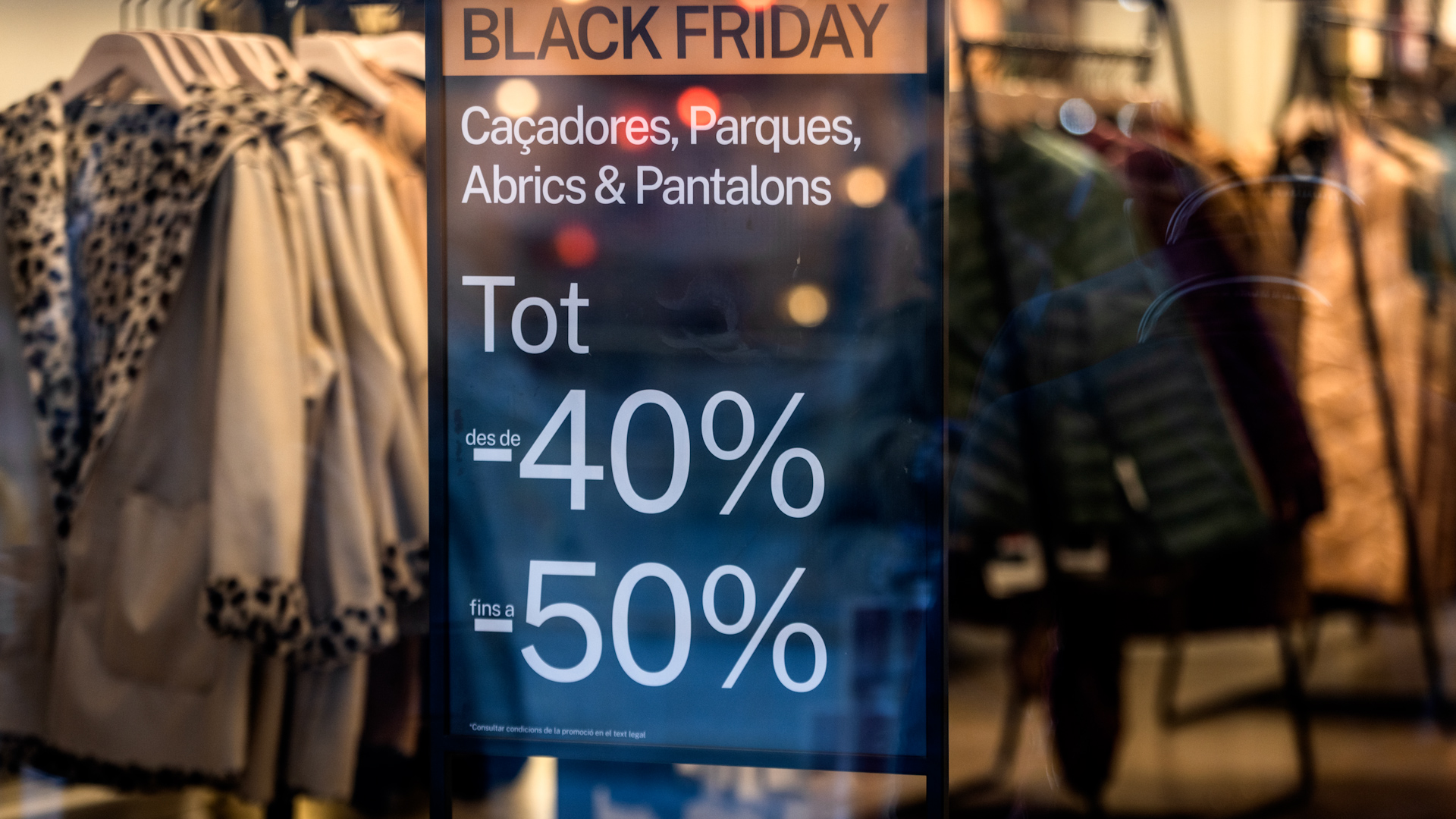
Card-payment data indicate resilient consumer spending heading into the holiday weekend with a record 187 million shoppers expected and roughly 130 million on Black Friday; 60% of consumers say they are more driven by sales than last year and gift cards top holiday preferences. Spending has broadened beyond seasonal items and includes increased thrift/second‑hand purchases, while higher-income households drive strength and lower-income consumers show strain; unemployment sits at 4.4% and the Fed estimates roughly 30,000 monthly jobs are now sufficient to keep unemployment flat versus ~250,000 two years ago, a dynamic that affects the sustainability of retail demand and positioning for consumer-facing equities.
Market structure: The data show a resilient, promotional-driven consumer—187m shopping this weekend and 60% saying sales drive purchase decisions—so winners are scale retailers, off-price operators and payment processors that capture high transaction volumes (e.g., WMT, TJX, V/MA). Losers will be low-scale specialty retailers and brands with weak omnichannel or inventory flexibility (regional department stores, small e‑tailers) as margin pressure from promotions intensifies over the next 2–6 months.
Risk assessment: Tail risks include a sharper labor shock (monthly payrolls falling >100k) that flips sentiment and forces inventory markdowns, or a sudden tightening/regulatory move against BNPL/fintech. Near-term (days–weeks) risks are headline-driven around Cyber Monday and weekly retail sales; medium-term (1–6 months) risk is margin compression into Q1 2026; long-term (≥1 year) risk is structural shift to resale/thrift reducing full-price elasticity.
Trade implications: Direct plays: overweight large-cap omnichannel retailers (WMT, AMZN) and payment networks (V, MA) for instant volume capture; short mid/small-format department stores (M, KSS) where promotional exposure and inventory drag are highest. Use options for asymmetric exposure—buy protective puts on discretionary names and sell short-dated call spreads on volatile specialty retailers into post-holiday weakness.
Contrarian & second-order: Consensus underestimates persistence of promotions—that suggests durable revenue but compressed retail EBIT margins into H1 2026; promotional normalization could hurt gross margins by 200–400bps for exposed retailers. Watch weekly card-swipe growth (3-week rolling average) and initial jobless claims: if swipe growth >+4% YoY holds through Jan, favor durable goods retailers; if it falls to +1% or below, accelerate cuts to discretionary exposure.
AI-powered research, real-time alerts, and portfolio analytics for institutional investors.
Request DemoOverall Sentiment
mildly positive
Sentiment Score
0.28
