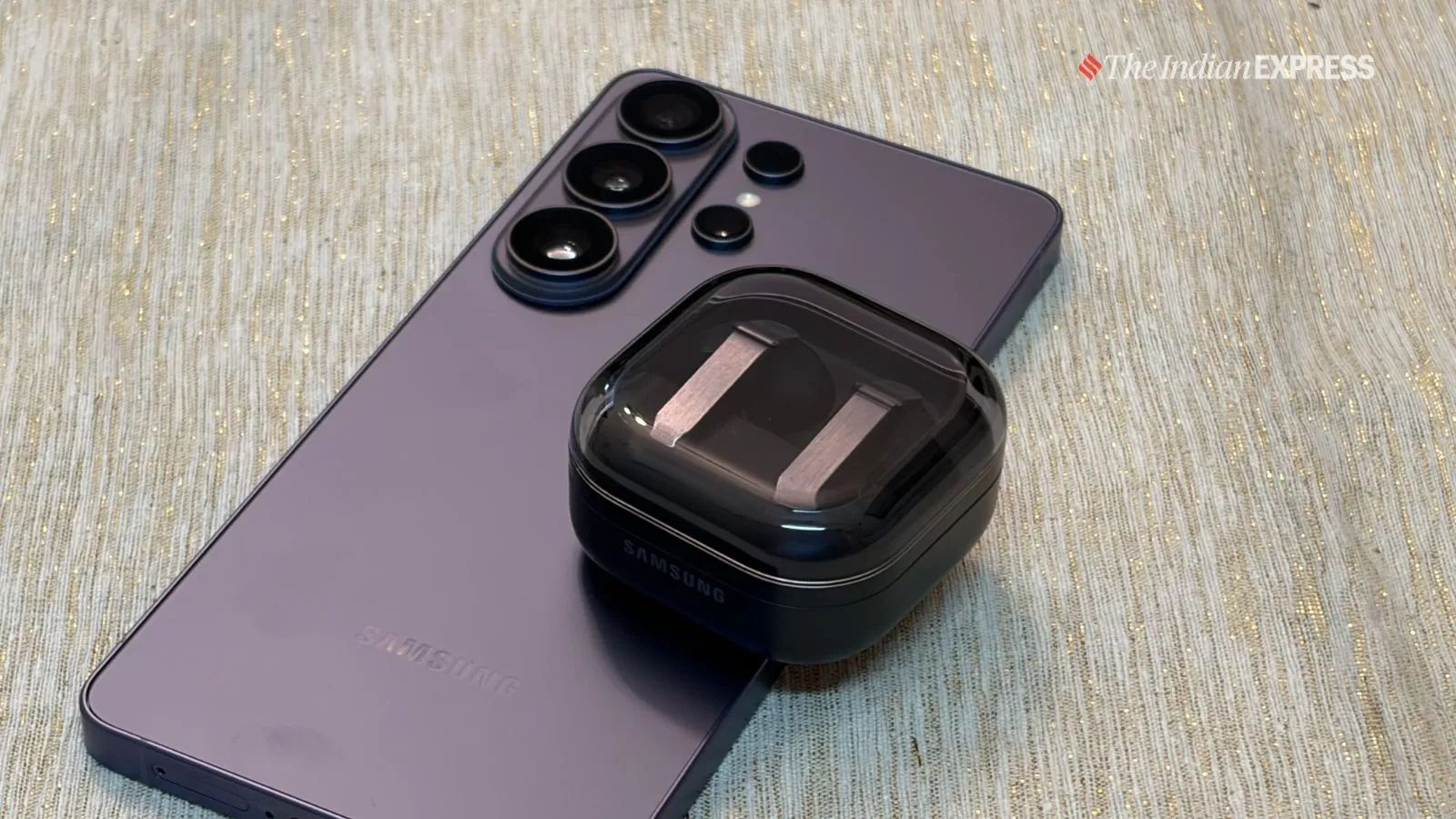
Samsung launched Hearapy, an audio-only app that plays a low-frequency 100Hz bass tone at roughly 75–85 dB; the company claims one minute of listening can ease motion sickness for up to two hours. The app is based on Nagoya University research finding that 100Hz tones at ~75–85 dB reduced nausea and stress by affecting vestibular processing. Hearapy is available on Android and works with Galaxy Buds 4 Pro; wider earbud compatibility is unconfirmed. Samsung positions the app as a non-pharmacological, screen-free alternative with a session timer.
This feature roll-out is less about immediate ad dollars and more about hardware-led lock-in and perception risk. When an OS or OEM ships a low-friction wellness hack tied to its earbuds, it accelerates attach rates for bundled audio hardware and creates a flow-through for accessories and service bundling that incumbents without hardware leverage struggle to match. Expect the most visible near-term winners to be OEMs and their audio supply chains (earbud vendors, Bluetooth codec licensors) while platform incumbents face a subtle engagement tax: fewer screen-centric interactions per session and a new vector for negative PR if clinical efficacy or safety (hearing thresholds) is questioned.
Second-order disruption to Google’s ecosystem is plausible but asymmetric: a modest decline in incremental engagement from a niche wellness feature won’t dent core ad revenue immediately, yet it raises a reputational and regulatory axis of attack. Regulators and consumer groups increasingly scrutinize health claims from tech firms; a cluster of adverse reports or academic failures could force feature rollbacks or warnings, compressing sentiment episodically. Watch the delta between device-level adoption metrics and third-party accessory sell-through — that divergence is the early signal of durable hardware advantage.
Time horizon and catalysts are layered: listen for 0–3 month signals (user adoption, app-store rankings, Buds sell-through) that inform a 3–12 month competitive re-pricing window; structural share shifts in earbuds/OS stovepipes would play out over 12–36 months. Tail risks that would reverse the trade include rapid replication by Google/Apple, a definitive clinical repudiation, or regulatory intervention on health claims; any of those would neutralize the hardware lock-in advantage and tighten valuation multiples across affected incumbents.
AI-powered research, real-time alerts, and portfolio analytics for institutional investors.
Request DemoOverall Sentiment
mildly positive
Sentiment Score
0.25
Ticker Sentiment
