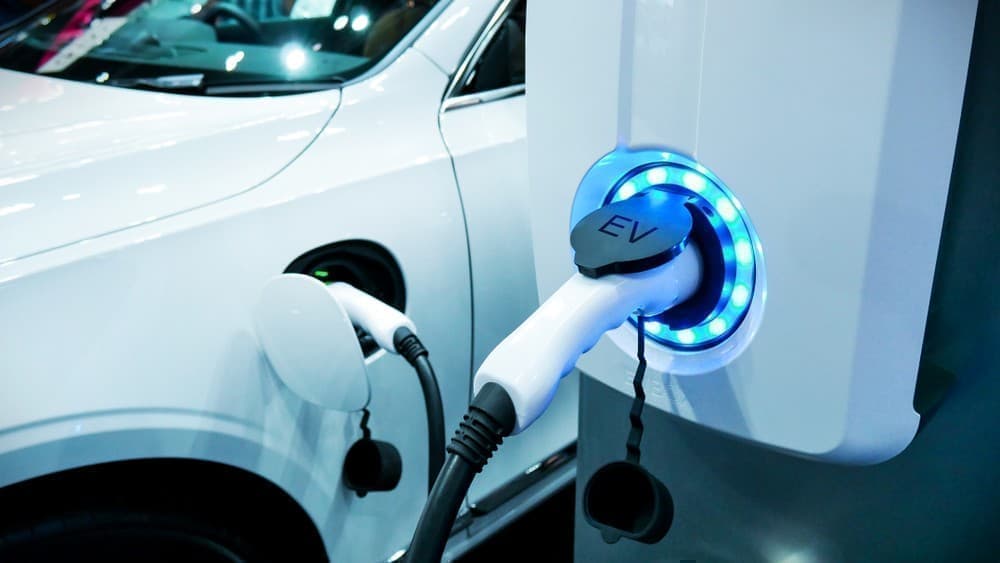
Higher oil prices and Middle East supply disruptions are boosting interest in EVs, with Autotrader reporting new-EV inquiries up 28% and used-EV inquiries up 15% since late February; Octopus Electric Vehicles said EV leasing inquiries rose 36%. In Europe, Aramisauto said EV sales share nearly doubled from 6.5% to 12.7% between Feb. 16 and Mar. 9, while ICE and diesel shares fell. The article suggests the move is an incremental demand tailwind for EVs rather than a sudden surge, but the geopolitical shock is broad enough to affect energy markets and consumer behavior.
The first-order read is that higher fuel prices improve the relative economics of EV ownership, but the more investable implication is that they compress the decision cycle for buyers already near replacement. That matters most for used EVs and leasing, where monthly payment math can flip quickly versus ICE when gasoline expectations stay elevated for even one or two quarters. The market is likely underestimating the operating leverage in retail channels that monetize shopper intent before fleet demand fully inflects.
For KMX specifically, this is less about selling more EVs and more about mix and financing. If fuel anxiety pushes more consumers into late-model used EVs, KMX can benefit from higher conversion on a category that is still structurally underpenetrated in the used-car channel, while also widening gross profit opportunities on financing, warranties, and reconditioning. The secondary effect is that EV demand shifts more of the value chain toward refurb, certification, and battery-health screening rather than OEM production capacity, which is a better fit for asset-light retailers than legacy automakers carrying stranded EV inventory.
The contrarian risk is that this is still a sentiment shock unless fuel remains elevated long enough to alter purchase plans. A short-lived spike mostly pulls forward online searches and dealer visits; a sustained move over several months is what turns intent into registrations. Also, cheaper used EVs can cannibalize new EV sales, so the trade is much cleaner for used-car retailers and leasing platforms than for OEMs trying to defend launch pricing.
Consensus may be too focused on the headline EV adoption angle and not enough on second-order substitution within the auto market. If consumers conclude that EVs are cheaper but new EVs are expensive, the incremental winner is the used-channel ecosystem, not the original manufacturers. That makes this an idiosyncratic retail-and-finance trade rather than a broad EV beta trade.
AI-powered research, real-time alerts, and portfolio analytics for institutional investors.
Request DemoOverall Sentiment
mildly positive
Sentiment Score
0.25
Ticker Sentiment
