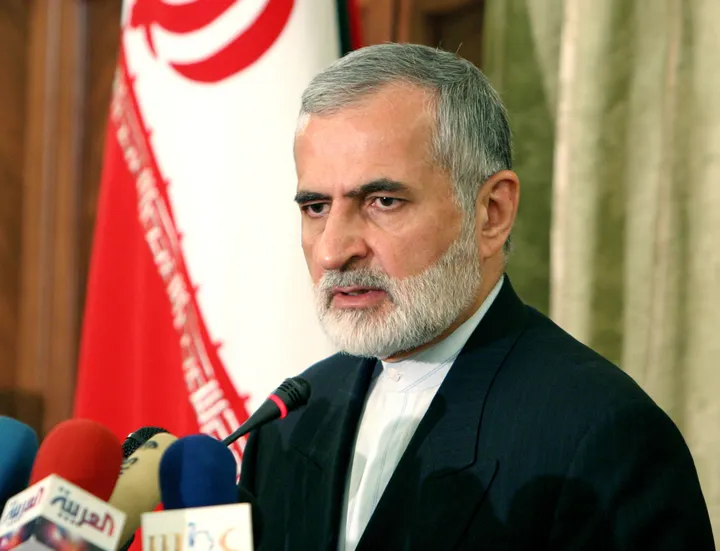
UK PM Keir Starmer hosted Syrian President Ahmed al Sharaa at 10 Downing Street and both leaders agreed to work with international partners to reopen the Strait of Hormuz and restore freedom of navigation, aiming to ease disruptions to a key global shipping route and oil flows. They also committed to enhanced UK-Syria cooperation on counter-terrorism, migration (returns, border security, anti-smuggling) and discussed roles for British businesses in rebuilding Syria's infrastructure.
The UK’s engagement with Syria looks like an attempt to create a low-cost diplomatic corridor to de-risk one of the world’s choke points rather than an immediate military solution; if it succeeds, expect the market to quickly repriced risk premia embedded in freight, insurance and energy curves. Mechanically, a credible reopening reduces marginal voyage miles for Persian Gulf-to-East/Europe trips (saving ~2,500–6,000 nm on many routes), which translates into 10–30% structural compression in spot tanker and container dayrates over 1–3 months as repositioning demand evaporates.
Second-order winners are those whose margins are sensitive to lower voyage time and insurance costs: container liners and port terminals (through higher throughput and lower opex), refiners with tight feedstock arbitrage windows, and construction/equipment suppliers positioned for reconstruction work once banking and sanctions frictions ease. Conversely, owners of older, spot-rate dependent tankers and any firms that monetized war-risk premiums (war-risk insurers, some reinsurance lines) face concentrated downside if the corridor stabilizes and premiums normalize.
Tail risks and timing are asymmetric: markets will price headlines within days (oil, freight volatility), but structural shifts (re-routing patterns, reconstruction contracts, insurance repricing) take 3–36 months and hinge on multilateral maritime security guarantees and banking/AML solutions for Syrian transactions. A failed plan or renewed attacks would re-inflate premiums rapidly; monitor military incidents, coalition declarations, and insurance war-risk bulletin changes as 0–90 day catalysts.
AI-powered research, real-time alerts, and portfolio analytics for institutional investors.
Request DemoOverall Sentiment
mildly positive
Sentiment Score
0.15
