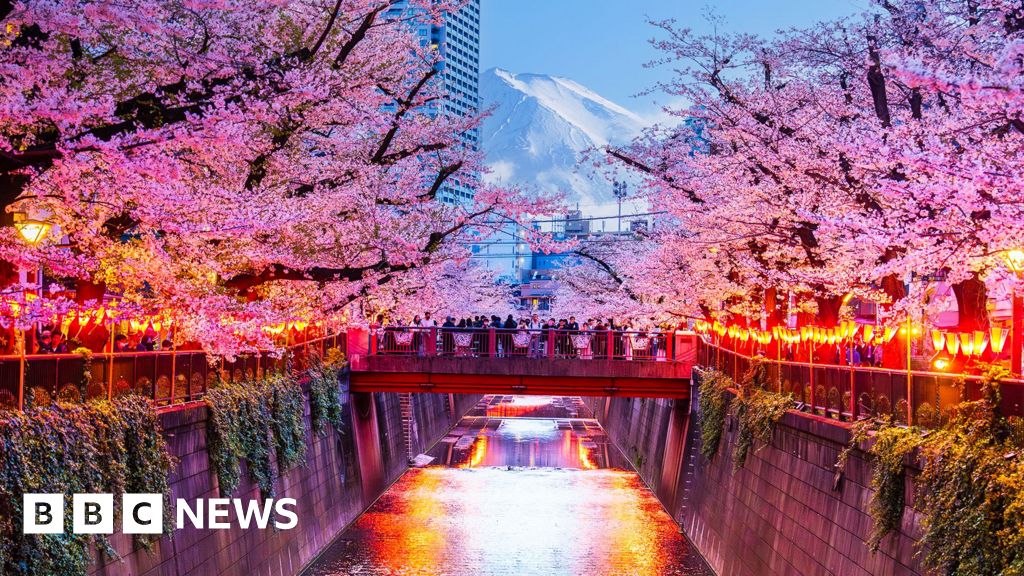
Fujiyoshida city near Mount Fuji has cancelled its 10-year-old cherry blossom festival, citing overtourism that now brings as many as 10,000 visitors daily and has caused severe traffic, littering and instances of trespassing and public defecation. Officials attribute the surge to factors including a weak yen and social-media-driven popularity; the move reflects a broader municipal trend of restricting access or introducing fees (cited examples: Fujikawaguchiko, Rome, Venice) to manage visitor flows. The decision risks near-term lost tourism revenue for the town and signals rising regulatory interventions that travel and leisure investors should monitor for localized demand disruption and potential shifts toward managed-access monetization models.
Market structure: Local tourism-exposed retailers and informal short‑term rental hosts around Fujiyoshida are immediate losers — ~10,000 daily visitors at peak (~600k over a 60‑day season) evaporating from an event compresses near‑term revenues by >50% for festival‑dependent vendors. Winners are platformed, regulated providers that can charge access/reservation fees (e.g., Booking Holdings for managed tickets/experiences) and vendors of crowd‑management, security and waste services who can win municipal contracts as cities follow Venice/Trevi fee models.
Risk assessment: Tail risk is a coordinated municipal crackdown across Japan (5+ major sites within 90 days) and short‑term rental bans that could knock 1–3% off global ABNB revenues if Japan restricts 5–10% of listings; immediate risk is reputational and local revenue loss (days–weeks), regulatory rollout risk sits at 3–12 months, and structural demand reallocation toward regulated channels plays out over years. Hidden dependency: FX (weak yen) is the demand accelerator — a 5% yen appreciation vs USD/EUR would materially reduce inbound volumes and exacerbate local revenue declines.
Trade implications: Implement small, asymmetric positions: long regulated booking/ticketing exposure and short unmanaged listing exposure. Use options to cap downside — e.g., buy 3–6 month puts on ABNB and buy calls or outright small longs in BKNG; consider municipal‑services/tech providers and Japanese regional hotel chains for tactical longs if municipalities announce paid access fees. Time entries before April peak; re‑evaluate by June 1.
Contrarian angles: Market may overprice permanent demand loss; historical parallels (Venice, Trevi) show fees redirect rather than destroy demand, benefiting intermediaries. If platform companies proactively partner with municipalities (policy wins), ABNB downside is limited; conversely, municipalities monetizing access create durable revenue pools for ticketing platforms and security/waste contractors — uncover small‑cap beneficiaries in next 30–90 days.
AI-powered research, real-time alerts, and portfolio analytics for institutional investors.
Request DemoOverall Sentiment
mildly negative
Sentiment Score
-0.25
