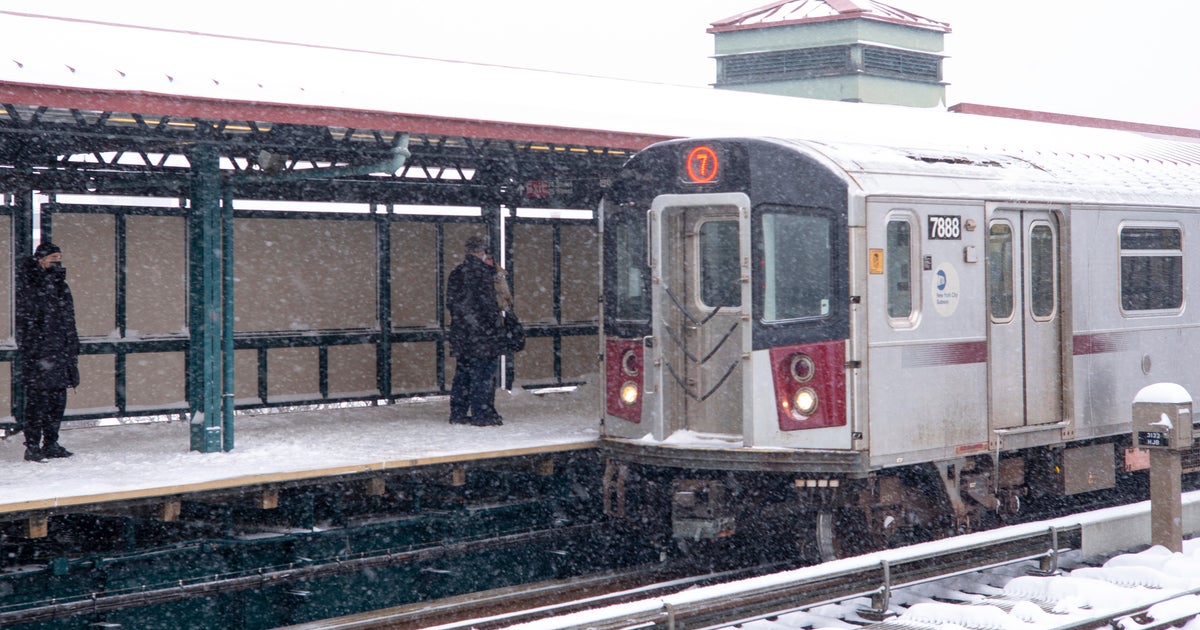
MTA Chairman and CEO Janno Lieber said New York City subways and buses will continue to run through a significant weekend snowstorm, with 220 miles of outdoor track protected by snow-fighting trains, de-icing systems and prepositioned equipment; buses will be fitted with tire chains and articulated buses removed for safety. NJ Transit warned of possible temporary suspensions Sunday–Monday, instituted cross-honoring system and is checking heating/ventilation on rolling stock while staging snow blowers and salt, actions that prioritize operational continuity and limit localized disruption but are unlikely to move broader markets.
Market structure: The immediate winner is providers of snow-fighting gear, parts and municipal buses—equipment demand and short-term rental/parts revenue typically spikes within 0–8 weeks after a major storm. Transit operators (MTA, NJ Transit) minimize passenger flight/airport disruption risk vs. airlines concentrated in the NYC nexus; expect localized demand shifts (ride-hail down along core subway lines, up on feeder/last-mile corridors). Commodities impact is modest: incremental diesel/gas demand in NYC region (+1–3% weekly demand), small near-term uplift for salt and de-icing chemical suppliers.
Risk assessment: Tail risks include prolonged service outages (power/bridge failures), major infrastructure damage prompting regulatory probes, or supply-chain shortages for chains and de-icing chemicals which could force emergency procurement at higher margins. Time horizons split: days (service continuity, transit ridership flows), weeks (parts & rental revenue), quarters (municipal capex/bus purchasing cycles). Hidden dependency: labor availability for crews and spare-parts inventory levels—if crews are constrained, equipment demand persists longer and prices rise.
Trade implications: Tactical trades favor industrials that supply municipalities and bus OEMs, while defensive hedges against Northeast airline disruption are warranted for 3–10 day windows. Options implied vol for regionally exposed airlines and parking/transport REITs can move +5–15% around weather announcements—short-dated puts are cost-effective hedges. Monitor snow accumulation forecasts (threshold: 6+ inches NYC) and NJ Transit suspension notices as near-term catalysts.
Contrarian angles: Consensus assumes minimal market impact because MTA stays running; that understates downstream procurement cycles—municipalities often fast-track replacement orders post-storm, creating 3–6 month revenue boosts for OEMs. Conversely, if the storm underdelivers (NYC <3 inches), expect mean reversion and short-term pullbacks in the small-cap suppliers that ran up ahead of demand news. Historical parallel: storms in 2010–2015 produced 10–25% topside revenue bumps for specialty vehicle makers in next two quarters.
AI-powered research, real-time alerts, and portfolio analytics for institutional investors.
Request DemoOverall Sentiment
mildly positive
Sentiment Score
0.25
