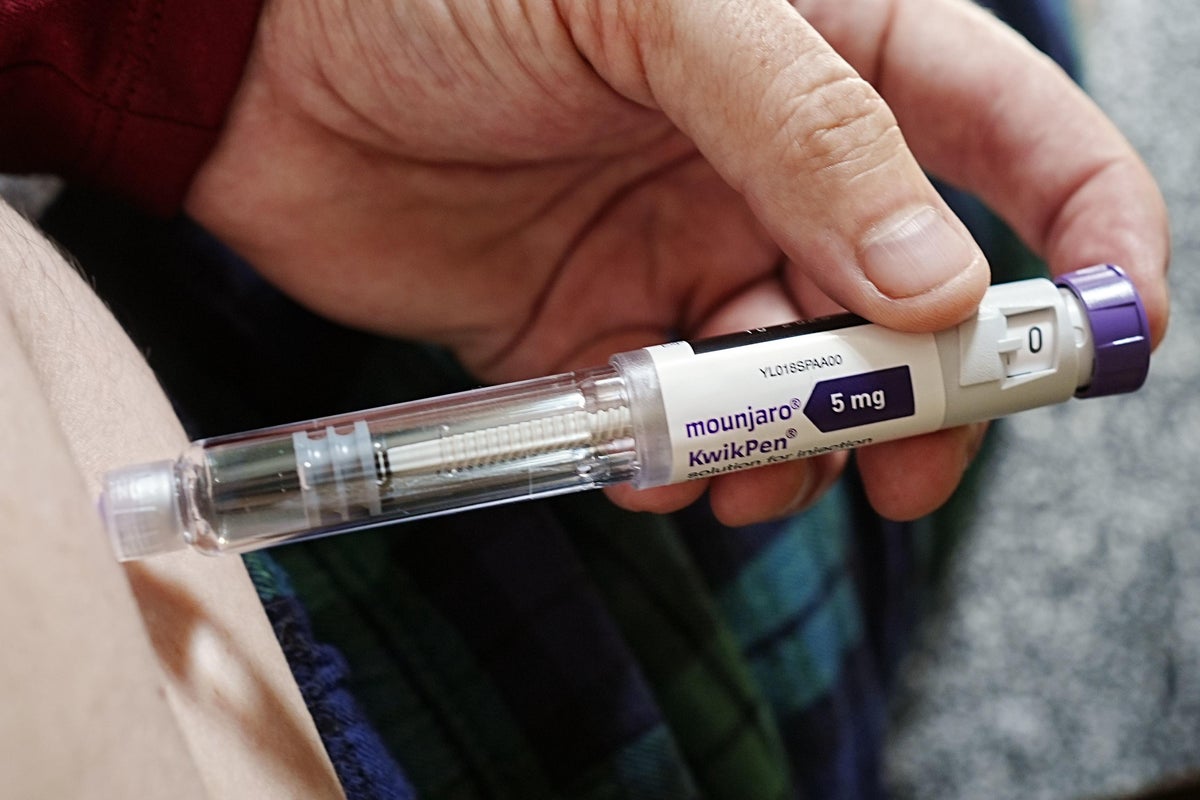
One in eight Americans are now taking GLP-1 shots, and the class is gaining regulatory expansion with the FDA approving Wegovy for MASH (metabolic dysfunction–associated steatotic liver disease). Clinical findings cited include a Johns Hopkins result showing a 15% reduction in five‑year major cardiovascular events and a 19% reduction in end‑stage kidney disease for type 1 diabetes patients, plus Purdue data pointing to a reduced risk across 14 cancers including a 47% lower ovarian cancer risk; studies also report fewer hospitalizations/deaths in HFpEF and reduced post‑MI tissue damage. Alzheimer's outcomes remain mixed (semaglutide negative; liraglutide showed some neuroprotective signals), suggesting upside for biotech/obesity drug franchises but continued clinical/regulatory risk and scientific uncertainty.
The headline lift to GLP-1 manufacturers is obvious, but the less-appreciated winners are scale-capable downstream service providers and payors that can monetize utilization controls. Expect a 6–24 month window where contract manufacturers and cold-chain logistics providers capture outsized margin as pharma players race to fill global demand; that pricing power begins to erode once several large-scale fill-finish lines come online in 12–36 months.
Regulatory and reimbursement cadence is the key tempo decision for markets: pivotal label expansions (cardio/renal/NASH) and Medicare coverage determinations will move economic access in discrete steps over quarters, not continuously. A mid-stage negative safety or head-to-head efficacy surprise could compress valuations quickly; conversely, positive cardiovascular/kidney readouts would re-rate incumbents and CMOs in the following 3–9 months.
Second-order product-market shifts matter: broad GLP-1 adoption will reallocate spend across therapeutic classes (oncology, anti-diabetics, device usage) over multiple years, creating secular winners among diagnostics and chronic-care managers while reducing incident rates for some high-cost treatments. The consensus underweights the near-term PBM/insurer arbitrage (utilization management) and overweights perpetual price insulation for originators — both create tradeable asymmetry if timed to regulatory milestones.
AI-powered research, real-time alerts, and portfolio analytics for institutional investors.
Request DemoOverall Sentiment
moderately positive
Sentiment Score
0.40
