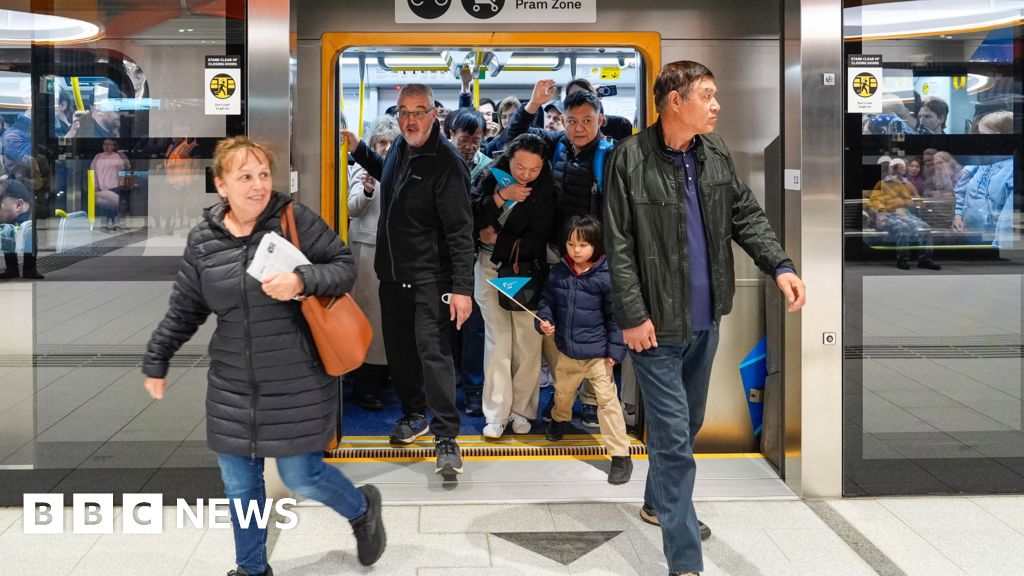
A$2.38/litre is the average petrol price in Australia as of last Sunday, up from A$2.09 a month earlier (≈+14%), driven by higher oil prices after near‑total disruptions to shipping through the Strait of Hormuz amid the US‑Israel/Iran conflict. Victoria will provide free trains, trams and buses for April and Tasmania will run free coaches, buses and ferries from Monday until end‑June (including free school buses saving A$20/week) to discourage driving and relieve petrol pump pressure. Other states have declined broad fare waivers, opting for targeted measures, so effects will be regional and temporary but could modestly reduce local petrol demand and keep energy markets and consumer cost pressures volatile.
Targeted, state-level demand interventions create a short, sharp reallocation of fuel consumption rather than a durable demand break — think a regional volume dent (low single-digit percent) concentrated in urban light-vehicle retail rather than wholesale diesel or aviation. That subtle split matters: refiners and traders see margin and price moves driven by global crude flows, while local retailers and convenience chains face transient footfall losses and higher per-litre volatility in margins.
A bigger, underappreciated dynamic is fiscal and capital re-prioritisation. Politicians who subsidise modal shift in response to energy shocks tend to accelerate transit capex and maintenance cycles (rolling stock orders, depot works) within 3–18 months, crowding in engineering contractors but pressuring state balance sheets and credit metrics. Conversely, logistics operators with fixed-route freight and long-term fuel contracts are insulated in the near term, creating asymmetric sectoral exposures.
Key catalysts that will reverse or amplify current dislocations are binary and time‑staged: (1) a diplomatic or military reopening of key chokepoints within weeks would collapse risk premia and squeeze energy longs; (2) coordinated strategic reserve releases or meaningful demand destruction over 1–3 quarters would blunt crude upside; (3) persistent disruptions past 3 months raise the probability of durable policy shifts (subsidies, road‑use charges) that reprice transport-exposed equities and state fiscal spreads.
AI-powered research, real-time alerts, and portfolio analytics for institutional investors.
Request DemoOverall Sentiment
mildly negative
Sentiment Score
-0.25
