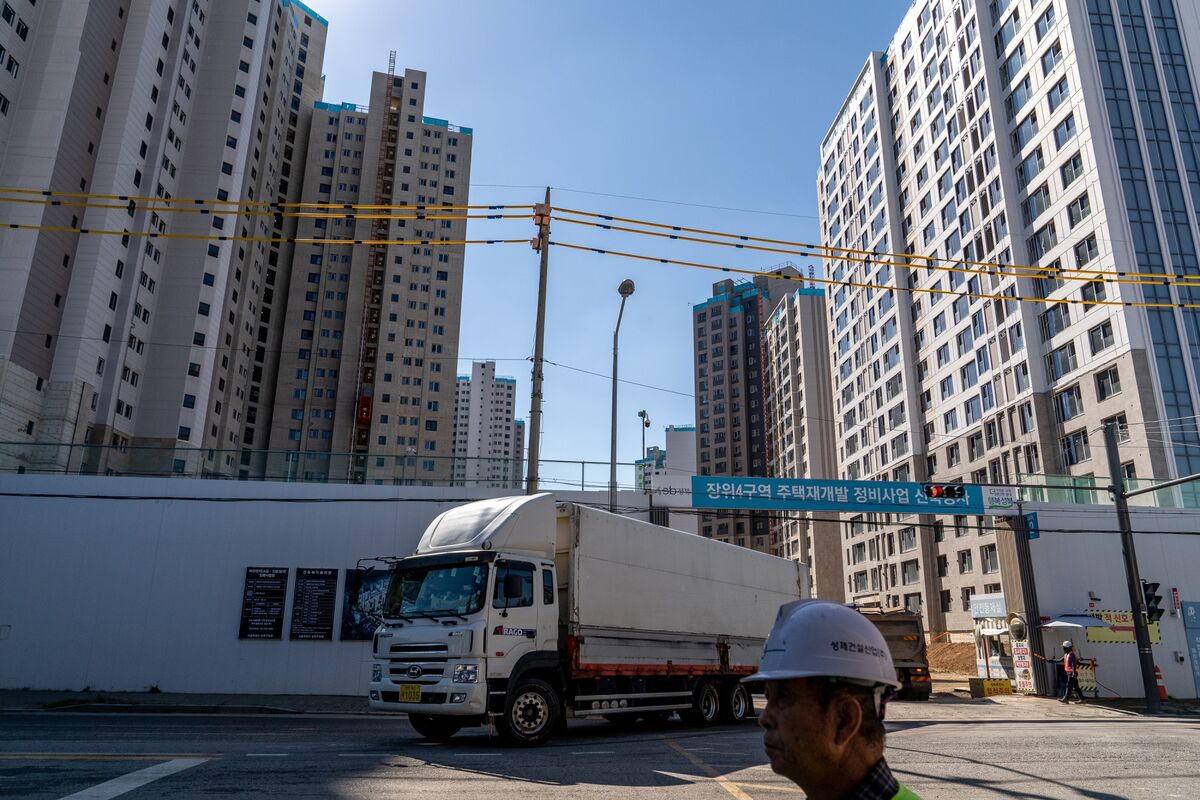
South Korea is actively pursuing a policy to redirect household wealth from real estate into its equity market, a key political objective aimed at boosting the Kospi. This government-backed initiative, spearheaded by a special committee, seeks to supercharge the nation's stock market by drawing capital currently concentrated in property, potentially signaling significant inflows and a re-rating opportunity for Korean equities.
The South Korean government is launching a significant, high-priority political initiative to engineer a capital shift from the nation's concentrated real estate market into its equity market. According to lawmaker Oh Gi Hyoung, who heads the special committee for this purpose, the explicit goal is to revive and supercharge the stock market, with the committee's name, "Kospi 5000," signaling a highly ambitious long-term target. This government-led effort could unlock substantial household wealth, creating a major new source of domestic capital inflow for Korean equities. The strongly positive market sentiment reflects the potential for this policy to serve as a powerful catalyst, potentially leading to a structural re-rating of the Kospi index as liquidity and domestic participation increase.
AI-powered research, real-time alerts, and portfolio analytics for institutional investors.
Request DemoOverall Sentiment
strongly positive
Sentiment Score
0.70
