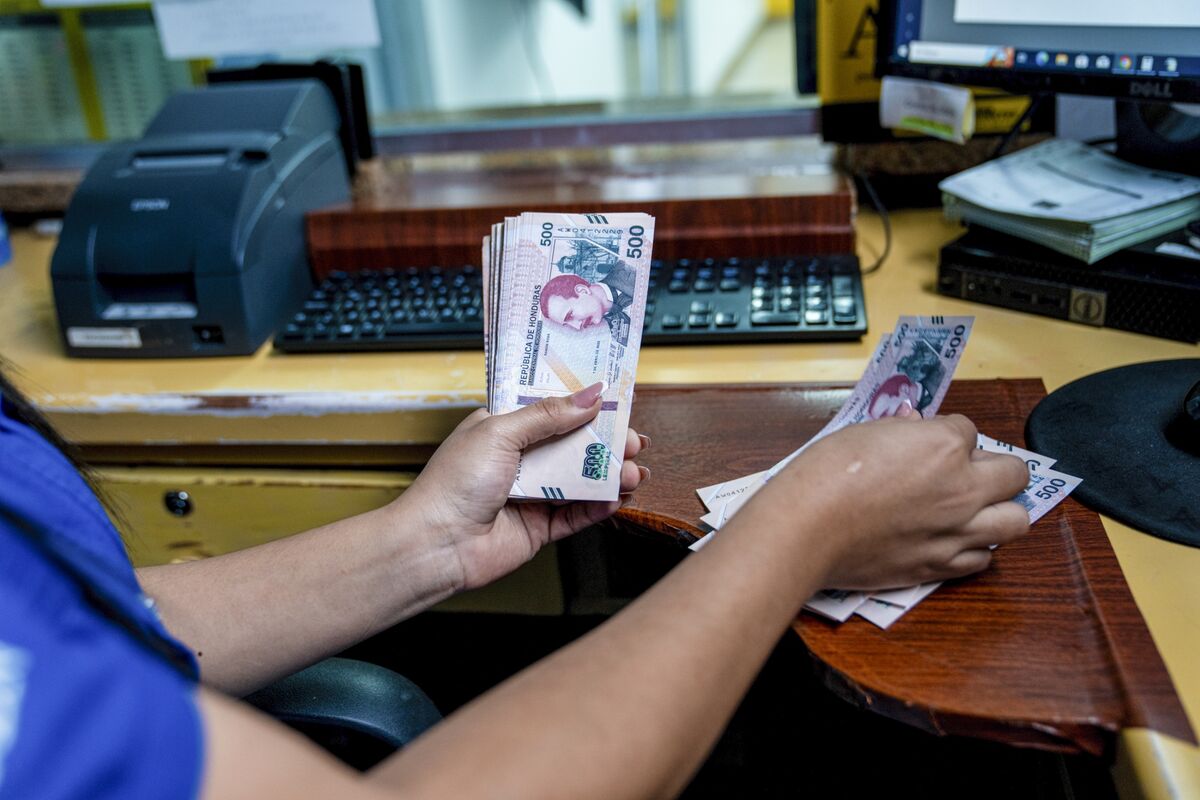
Remittances to Latin America are experiencing a significant surge, with projections indicating $161 billion in transfers from the U.S. by year-end, an 8% increase from 2024. This boom, exemplified by a 25% jump in Honduras, is attributed to migrants wiring more money home due to fears of increased deportations under the Trump administration, despite economists' warnings of potential long-term declines in remittance flows.
A significant, counterintuitive boom in remittances to Latin America is underway, driven by migrant fears of an impending immigration crackdown in the United States. Projections show transfers from the U.S. to the region are on track to reach $161 billion by year-end, an increase of over 8% from 2024. This trend is acutely visible in countries like Honduras, which has seen a 25% jump in inbound transfers. The primary catalyst is the preemptive movement of capital by migrants who perceive their funds to be safer in their home countries amid fears their time in the U.S. may be limited. This short-term surge, however, contrasts sharply with economists' long-term forecasts, which warn that widespread deportations would ultimately decimate remittance flows, leading to billions in lost income for these economies in the coming years. The current dynamic represents a fear-driven acceleration of capital flows rather than a sustainable economic trend, creating a temporary boost for recipient economies but masking significant long-term political and economic risk.
AI-powered research, real-time alerts, and portfolio analytics for institutional investors.
Request DemoOverall Sentiment
strongly positive
Sentiment Score
0.70
