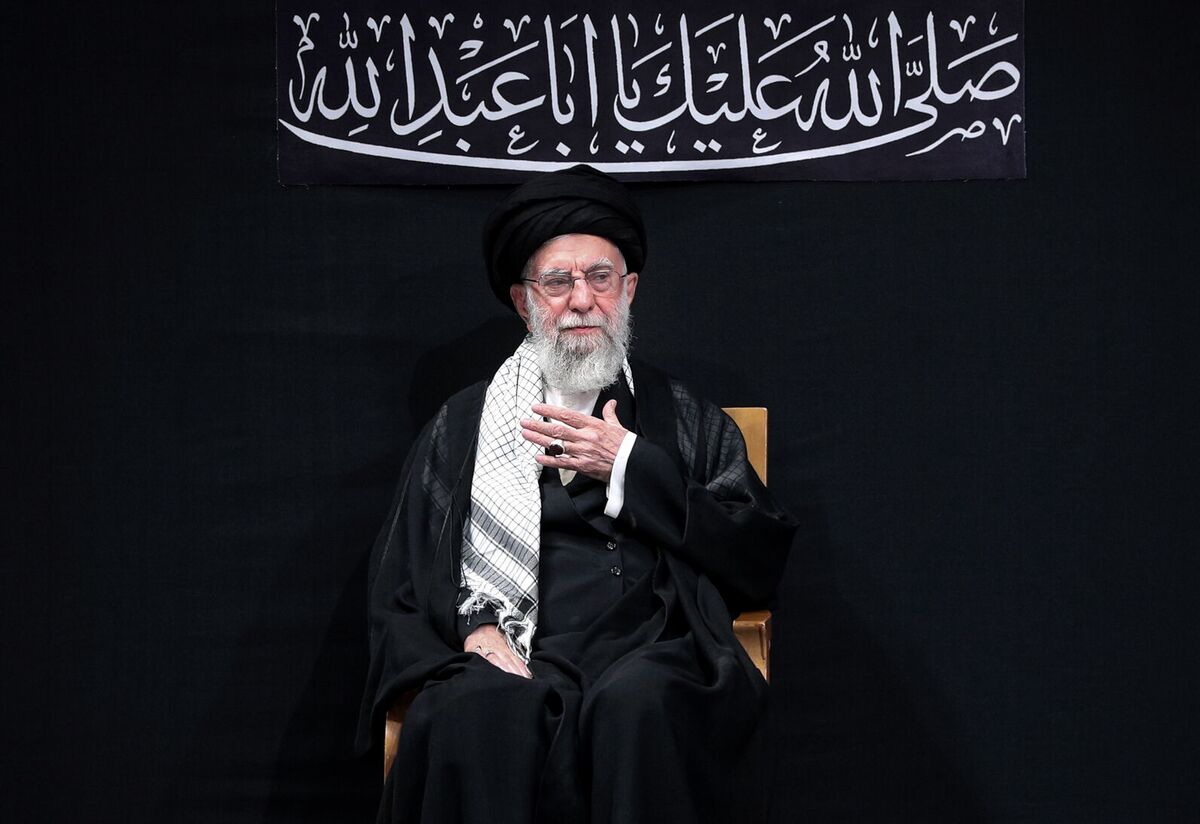
Recent Israeli airstrikes and a US bombing raid on key nuclear sites, resulting in significant casualties and military assassinations, have intensified scrutiny on Iran's 86-year-old Supreme Leader Ayatollah Ali Khamenei. This escalation, following decades of anti-Western policy, highlights profound challenges to the regime's stability, raising critical questions about Khamenei's succession and the long-term trajectory of a country whose economy is already weakened by sanctions. The situation underscores heightened geopolitical risk in the Middle East.
Recent military escalations, including Israeli airstrikes and a US bombing raid on key Iranian nuclear sites, have significantly heightened political instability within Iran. The conflict resulted in over 1,000 casualties and the assassination of senior military figures, embarrassing the regime and intensifying scrutiny on the 86-year-old Supreme Leader, Ayatollah Ali Khamenei. This external pressure exacerbates an already fragile domestic situation, defined by an economy weakened by years of sanctions. The current environment raises critical questions about leadership succession and the long-term stability of the regime, signaling a period of acute geopolitical risk in the Middle East. The leadership's turn towards nationalist history to foster unity underscores its awareness of the profound internal and external challenges it faces.
AI-powered research, real-time alerts, and portfolio analytics for institutional investors.
Request DemoOverall Sentiment
strongly negative
Sentiment Score
-0.80
