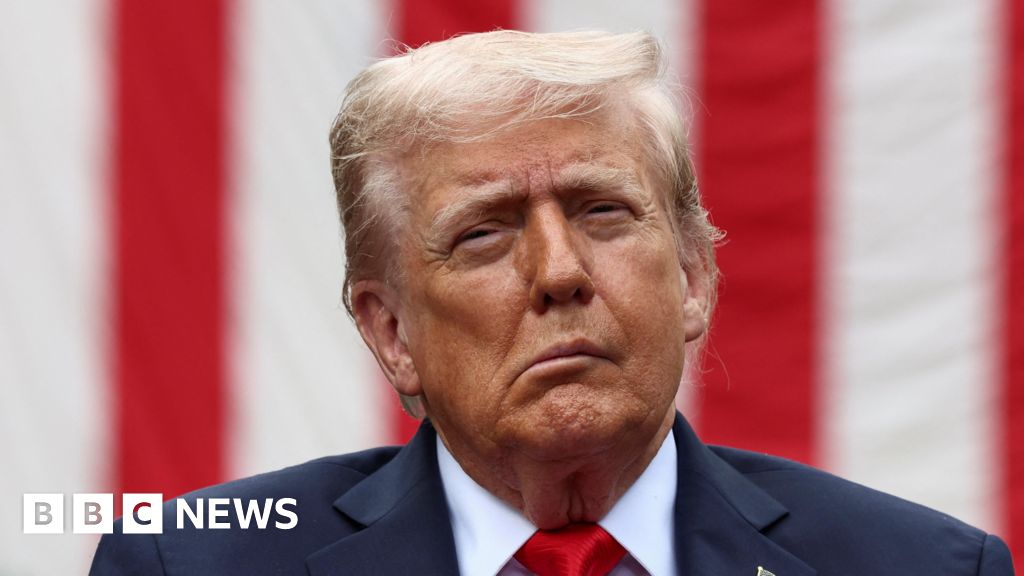
Former US President Donald Trump has stated his readiness to impose "major sanctions" on Russia, conditioned on NATO nations ceasing all purchases of Russian oil and potentially levying significant tariffs on China. This conditional proposal introduces a new geopolitical risk factor that could reshape global energy markets and trade relations, despite Europe's substantial reduction in Russian energy reliance since 2022. The feasibility of securing full NATO compliance, particularly from major buyers like Turkey, remains a critical uncertainty, suggesting potential market volatility surrounding these discussions.
Former US President Donald Trump has introduced a significant geopolitical variable by conditioning the imposition of "major sanctions" on Russia upon a complete cessation of Russian oil purchases by all NATO nations. This hawkish proposal, which also suggests 50-100% tariffs on China, links energy policy directly to the conflict in Ukraine and escalates trade friction rhetoric. While Europe has already substantially reduced its reliance on Russian gas from 45% in 2022 to a projected 13% this year, the demand for a total, unified embargo presents a considerable challenge. The feasibility of this condition is questionable, particularly given that key NATO members like Turkey are major buyers of Russian oil and maintain closer diplomatic ties with Moscow. The proposal, made amid heightened tensions following a Russian drone incursion into Polish airspace, creates a material tail risk for global energy markets, which could face a significant supply shock if NATO were to comply. The inclusion of punitive tariffs on China further broadens the potential for market disruption, impacting global trade and supply chains beyond the immediate energy sector.
AI-powered research, real-time alerts, and portfolio analytics for institutional investors.
Overall Sentiment
moderately negative
Sentiment Score
-0.40
