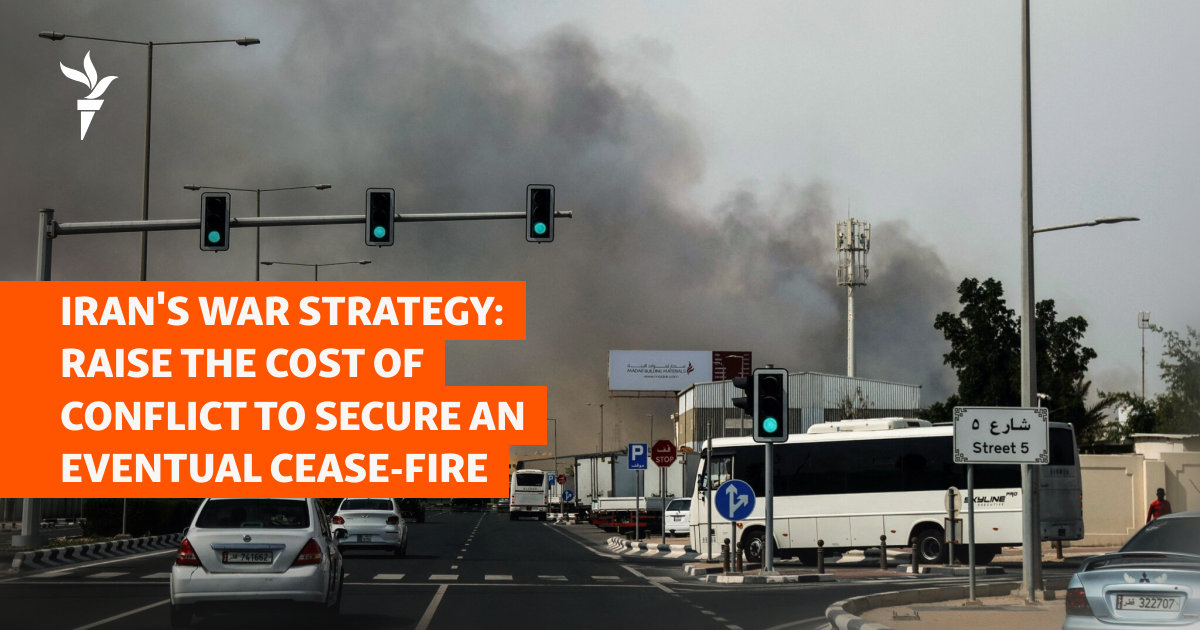
Iran has escalated kinetic operations since Feb. 28, firing hundreds of missiles and drones at US bases and energy and commercial infrastructure across Gulf states and maintaining a reported sustained tempo of roughly 25 ballistic missiles per hour to drain regional air-defense interceptors. The strikes have hit a major Qatari gas plant, a Saudi refinery, a US base in Kuwait and a UAE airport, threatening about one-fifth of global oil flows through the Strait of Hormuz; Washington and Israel are responding with sustained air operations and tanker-supported loitering sorties. The campaign raises near-term upside risk to energy prices, strains Gulf defense systems and allied resolve, and increases the probability of sustained market volatility and repricing across energy, defense, and regional emerging-market assets.
Market structure is shifting toward oil producers, energy infrastructure and defense contractors as the likely direct beneficiaries and airlines, shipping, Gulf logistics and regional insurers as immediate losers. A sustained disruption risk to the Strait of Hormuz (20% of global oil flows) implies a plausible +$10–$40/bbl shock to Brent within days-to-weeks, widening producer margins and pressuring transportation demand and corporate earnings in travel and trade-exposed sectors.
Key tail risks: full/partial closure of Hormuz (Brent > $150), large-scale interception failures that force prolonged supply disruptions, or rapid diplomatic de-escalation that collapses risk premia. Time horizons split: immediate (days) = price and volatility spikes; short-term (weeks–months) = inventory draws, airline re-pricing, defense order visibility; long-term (quarters+) = capex reallocation into defense and energy security.
Trade implications favor long energy producers (XOM, CVX), long defense (LMT, NOC, RTX) and short travel/airlines (UAL, AAL or JETS ETF), with volatility-focused overlays (short-dated VIX/Brent options after initial spikes). Entry should be staged: initial 50% within 5 trading days, add on confirmed price triggers (e.g., Brent > $85 for 3 days) and hedge downside with options.
Contrarian read: markets may overshoot — historical precedent (2019 tanker incidents) shows sharp but short-lived oil spikes; if Gulf air defenses hold or US/UK attrition of Iranian launchers succeeds within 4–8 weeks, oil and volatility premia can mean-revert 20–40%. Therefore blend directional exposure with time-limited option structures and size positions so a 30–50% volatility collapse is survivable.
AI-powered research, real-time alerts, and portfolio analytics for institutional investors.
Request TrialOverall Sentiment
strongly negative
Sentiment Score
-0.72
