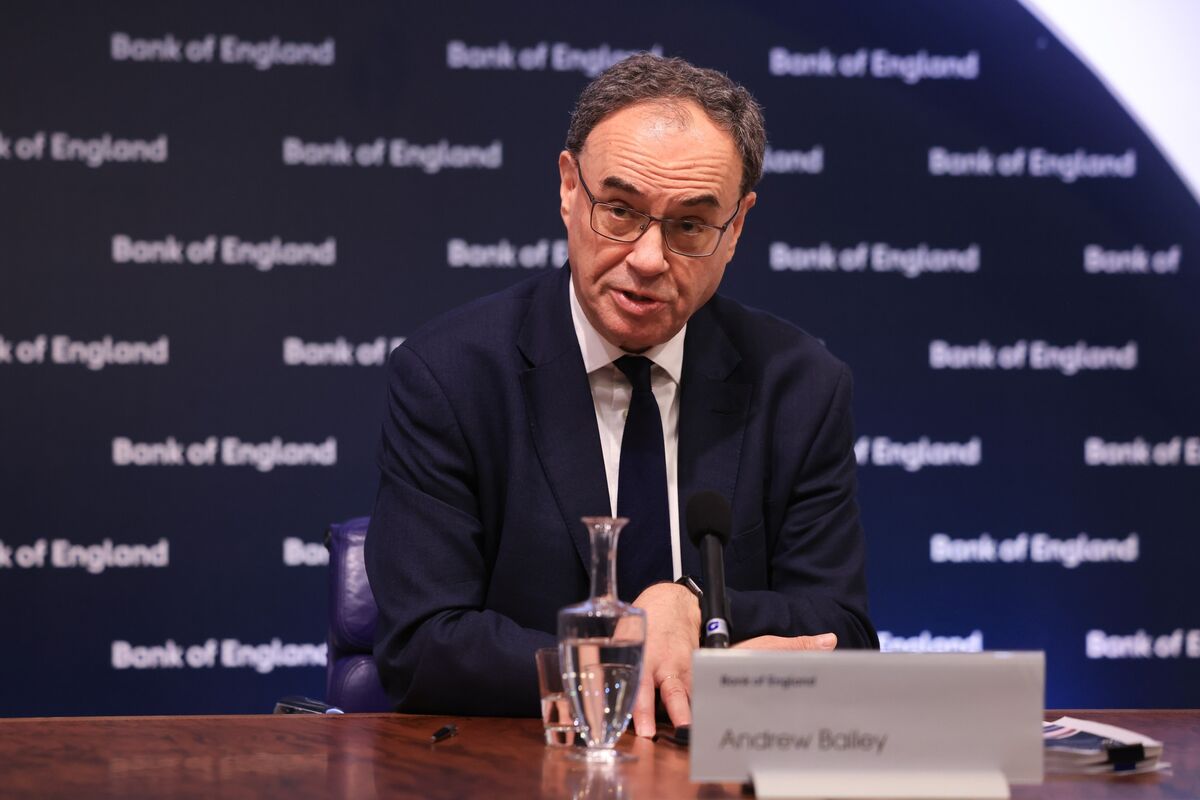
The Bank of England and the Bank for International Settlements released reports highlighting growing leverage by a small number of large hedge funds via repurchase agreements, where bonds are pledged as collateral, and warned this concentration of borrowing could threaten financial stability. Regulators are considering policy measures to cap leverage and curb the profitability of popular government-bond strategies, a potential constraint that could reduce returns, alter liquidity conditions in sovereign bond markets and prompt hedge funds to rebalance positions.
Market structure: Caps on hedge‑fund repo leverage would shift primary pressure from leveraged HF balance sheets to dealer inventory and central bank backstops. Expect episodes of forced bond selling in the immediate term (days–weeks) as funds de‑gear, raising term premia and bid/ask spreads; dealers and prime brokers (GS, MS) will face higher balance‑sheet usage and compressed ROE if they absorb inventory or widen haircuts. Longer term (quarters) a permanent shrinkage in repo demand could reduce intraday liquidity and increase the cost of capital for levered bond strategies.
Risk assessment: Tail risks include a rapid, concentrated unwind producing >100bps spike in 10‑yr yields within 7–30 days and dealer strain triggering central bank repo provision; probability moderate but impact systemic. Hidden dependencies: pension funds, insurers and money‑market funds that act as marginal collateral buyers/sellers will amplify moves; counterparty netting arrangements and rehypothecation chains could propagate shocks beyond hedge funds. Catalysts: imminent BoE/BIS policy announcements, Basel rule changes within 30–180 days, or a macro shock (US CPI surprise) that forces immediate de‑risking.
Trade implications: Tactical trades should protect against higher yields and wider credit spreads in 1–3 months while allowing for mean‑reversion in 3–12 months. Favor short duration and liquidity: increase cash/ultra‑short (BIL, SHV), buy protection on IG/HY (LQD put spreads, HYG protection), and use defined‑risk short or put spreads on long‑duration Treasury exposure (TLT 3‑month 5% OTM put spreads or 2x inverse TBT sized 1–3% portfolio). Consider FX hedge (long UUP) for risk‑off dollar appreciation.
Contrarian angles: Consensus assumes sustained selling; that may be overdone if dealers and central banks backstop liquidity — an overshoot could create buying opportunities in long duration. If 10‑yr yields spike >80–100bps and market‑making normalizes within 4–8 weeks, long TLT call spreads or mean‑reversion credit longs (LQD, JNK) offer asymmetric payoff. Watch for policy signals — if regulators only recommend guidelines (not hard caps) the negative shock will be transient and the market will reward convexoity buyers.
AI-powered research, real-time alerts, and portfolio analytics for institutional investors.
Request DemoOverall Sentiment
moderately negative
Sentiment Score
-0.42
