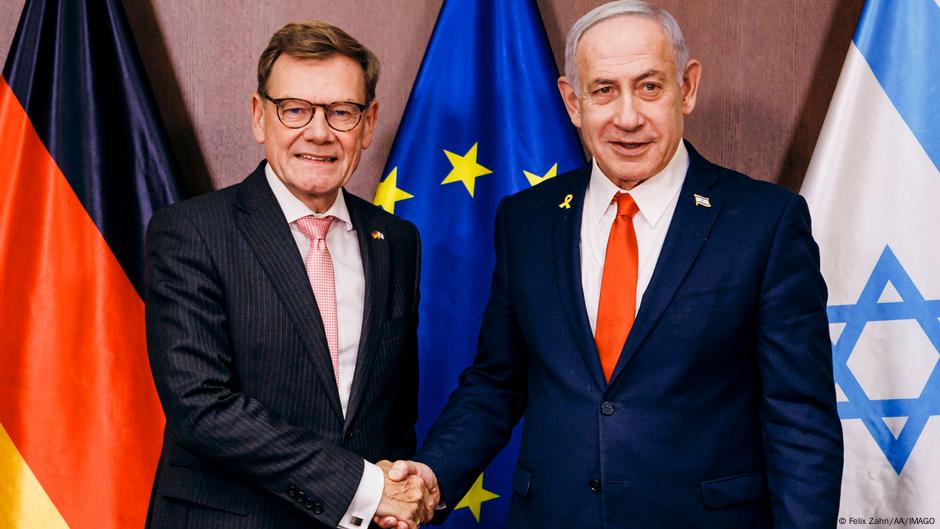
German Foreign Minister Johann Wadephul adopted a significantly tougher stance with Israel, demanding immediate UN-led humanitarian aid access to Gaza and criticizing settlement expansion, marking a notable shift in Berlin's diplomatic approach despite its historical reluctance to pressure Israel. While Germany is unlikely to impose sanctions, this escalated rhetoric underscores rising international frustration and a push for a two-state solution, with a clear divergence on aid distribution mechanisms and the severity of Gaza's humanitarian crisis.
A significant shift in diplomatic posture is evident as the German government adopts a notably tougher tone with Israel, directly calling for immediate and unimpeded UN access to address what Foreign Minister Johann Wadephul termed an "unimaginable" humanitarian catastrophe in Gaza. This represents a marked departure from Berlin's historical reluctance to apply public pressure, a stance rooted in Germany's self-described "special responsibility" following the Holocaust. The friction extends beyond aid, with Germany reaffirming support for a two-state solution and criticizing settlement expansion, both positions in direct conflict with the current Israeli government's policies. While Israeli Foreign Minister Gideon Saar publicly reaffirmed the friendly bilateral relationship, deep disagreements persist over the reality on the ground and the appropriate aid channels, with Germany and the UN championing established systems against the U.S. and Israeli preference for the newly created and controversial Gaza Humanitarian Foundation (GHF). Despite the sharper rhetoric and rising political pressure within Germany's governing coalition for "concrete progress," observers believe punitive measures like sanctions or halting arms deliveries remain unlikely. The situation highlights escalating international isolation for Israel and signals persistent diplomatic friction, even if immediate economic consequences are not anticipated.
AI-powered research, real-time alerts, and portfolio analytics for institutional investors.
Request DemoOverall Sentiment
Neutral
Sentiment Score
0.00
