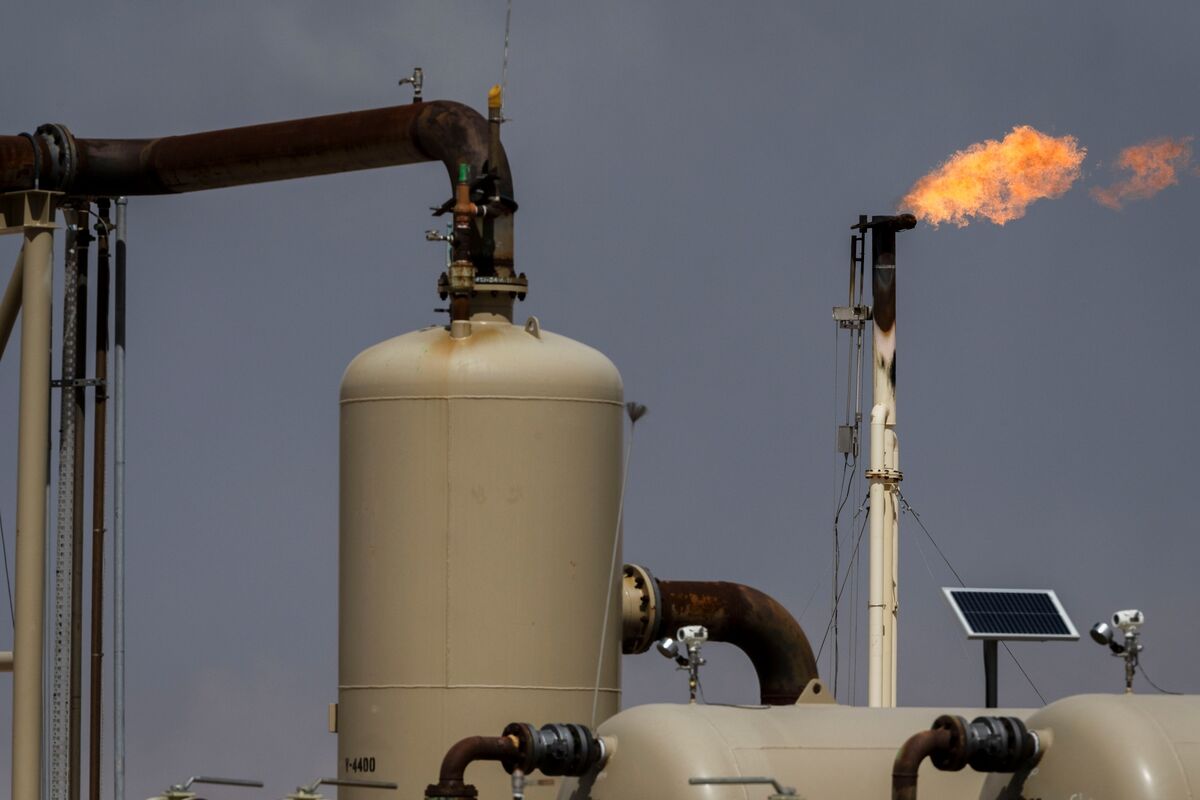
A United Nations assessment released during climate talks in Belém warns the world is far behind on a pledge by roughly 160 nations to cut methane emissions 30% from 2020 levels by 2030; meeting the target is described as technically still possible but would require swift, aggressive action to curb the heat-trapping “super pollutant.” The report underscores the urgency for accelerated mitigation efforts because current progress is inadequate.
A United Nations assessment released during climate talks in Belém, Brazil states the world is materially behind on a pledge by roughly 160 nations to cut methane emissions 30% from 2020 levels by 2030; the report calls the target "technically still possible" but achievable only with swift, aggressive action and labels methane a "super pollutant." This specific framing elevates methane mitigation on the policy agenda because it links near-term emissions cuts to broader climate commitments and deadlines.
Market signals in the briefing are cautiously negative (sentiment score -0.45) while the market impact score (0.3) implies limited immediate market disruption but rising policy risk over the medium term. Thematic classification underlines ESG & Climate Policy and Regulation & Legislation, indicating potential for accelerated regulatory activity rather than a purely market-driven shift.
Implications for corporates and investors are directional: high-emitting sectors (noted in the report context — e.g., oil & gas, agriculture, waste) face increasing regulatory scrutiny and potential compliance costs, while vendors of methane-detection and abatement technologies stand to benefit from rapid deployment needs. Near-term policy signals and enforcement timelines will determine which players face cost shocks versus which capture upside from mitigation services.
AI-powered research, real-time alerts, and portfolio analytics for institutional investors.
Request DemoOverall Sentiment
moderately negative
Sentiment Score
-0.45
