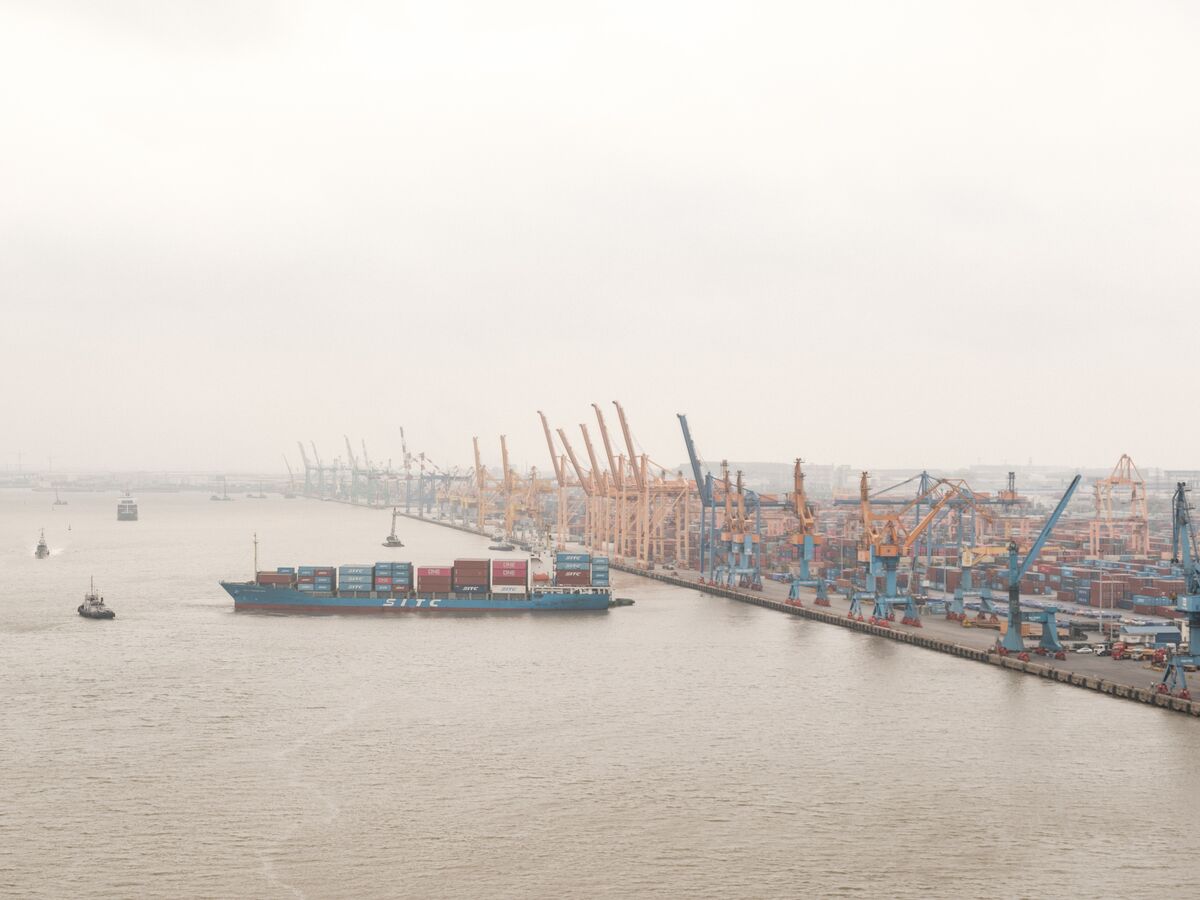
Vietnam's 10% GDP growth target is under threat as the Iran war is choking fuel flows and pushing up energy costs, creating downside risk to industrial production and investment. Higher fuel and logistics costs could slow expansion in export hubs like Haiphong, deter multinationals and free‑trade zone investment, and weigh on Vietnamese growth and regional supply chains.
The immediate transmission mechanism is not just higher pump prices but a freight-cost shock that amplifies input inflation for Vietnam’s export factories over the next 3–12 months. Empirically, spikes in bunker and diesel quickly force either margin compression at OEM suppliers or price renegotiation with brand customers; a sustained $10–$20/bbl Brent move typically raises east‑west container spot rates by low‑hundreds of dollars per FEU within 4–10 weeks, which is meaningful for thin‑margin electronics assemblers.
Second‑order effects favor firms that can flex fuel exposure or reprice logistics — energy traders, refiners and vertically integrated carriers with fuel surcharges — while hurting small private Vietnamese suppliers, regional trucking fleets, and banks with concentrated SME lending to export vendors. Over 6–18 months the shock can accelerate inventory re‑profiling (longer in‑country buffers, slower JIT), which benefits domestic warehousing and shortens the tail of marginal low‑cost, long‑haul outsourcing.
Tail risks: rapid diplomatic de‑escalation or targeted SPR releases could erase the energy premium within 30–90 days; conversely, escalation or choke‑point attacks could sustain premiums for >12 months and force durable capex shifts into closer geography. The consensus underweights the tempo risk — market pricing now assumes either a short spike or full pass‑through to consumers, but the likeliest outcome is a 2‑phase hit (immediate freight shock, then 3–9 month structural margin compression for subcontractors) that creates asymmetric opportunities across equities and options.
AI-powered research, real-time alerts, and portfolio analytics for institutional investors.
Overall Sentiment
mildly negative
Sentiment Score
-0.30
Ticker Sentiment
