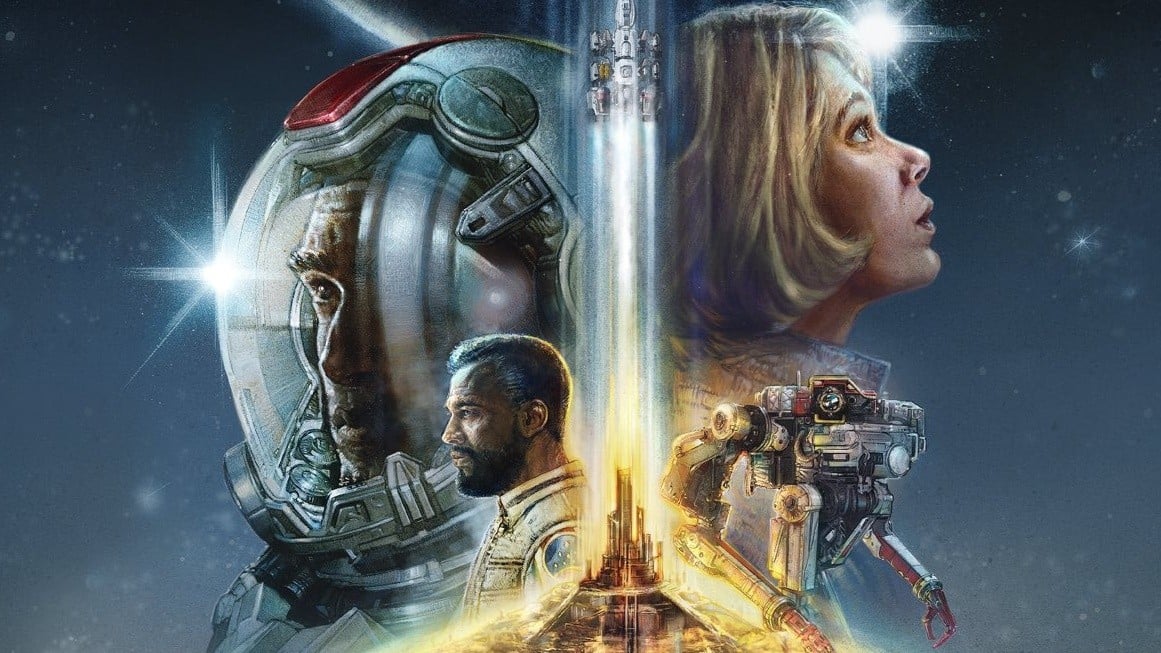
Windows Central editor Jez Corden reports that Bethesda’s Starfield is rumoured to be released on PlayStation 5 and Nintendo’s Switch 2 in 2026, with optimizations for low-power handhelds and alleged “big upgrades” to space travel plus new DLC. The report follows Bethesda ports of Skyrim and a planned Fallout 4 Anniversary release for Switch 2, suggesting the publisher is expanding support to Nintendo’s new hardware, though the claims remain unconfirmed and should be treated with caution.
Market structure: If Starfield lands on PS5 and Switch 2 in 2026, winners are Nintendo (NTDOY / 7974.T) via stronger hardware attach rates, semiconductor suppliers (NVDA, TSM) for SoC demand, and Sony (SONY) for catalog strength; primary loser is the Xbox-console-halo narrative for Microsoft (MSFT) which loses exclusivity leverage. Pricing power shifts from platform-only exclusives toward publishers/policy that monetize across platforms (DLC, standalone sales), compressing console-driven ecosystem premiums over 12–24 months.
Risk assessment: Tail risks include the rumor being false (negative stock moves within days) or a poor-quality port damaging global sales (high-impact in 2026); regulatory antitrust risk is low but operational port delays are medium-probability. Immediate impact (days): volatility in gaming equities; short-term (weeks–months): guidance revisions and supplier order updates; long-term (2026+): hardware unit cycles and Game Pass economics shift.
Trade implications: Direct plays favor underweighting platform-exclusivity small-caps and overweighting Nintendo and semiconductor suppliers for 6–24 month holds; use options to capture asymmetric outcomes around confirmation events. Entry/exit should be staggered: start small now, add on official confirmation or on semiconductor order-book signals, target capture windows into 2026 holiday sales.
Contrarian angles: Consensus underestimates that Microsoft may prefer broader monetization (higher game sales vs console lock-in) — a multiplatform Starfield could raise Bethesda gross revenue by >10–20% vs exclusivity scenario. Historic parallels (Skyrim/Fallout ports) show modest hardware bumps but big long-tail digital sales; downside is a poor port that produces negative reviews and an attach-rate miss, which markets often over-penalize in the short term.
AI-powered research, real-time alerts, and portfolio analytics for institutional investors.
Request DemoOverall Sentiment
neutral
Sentiment Score
0.10
