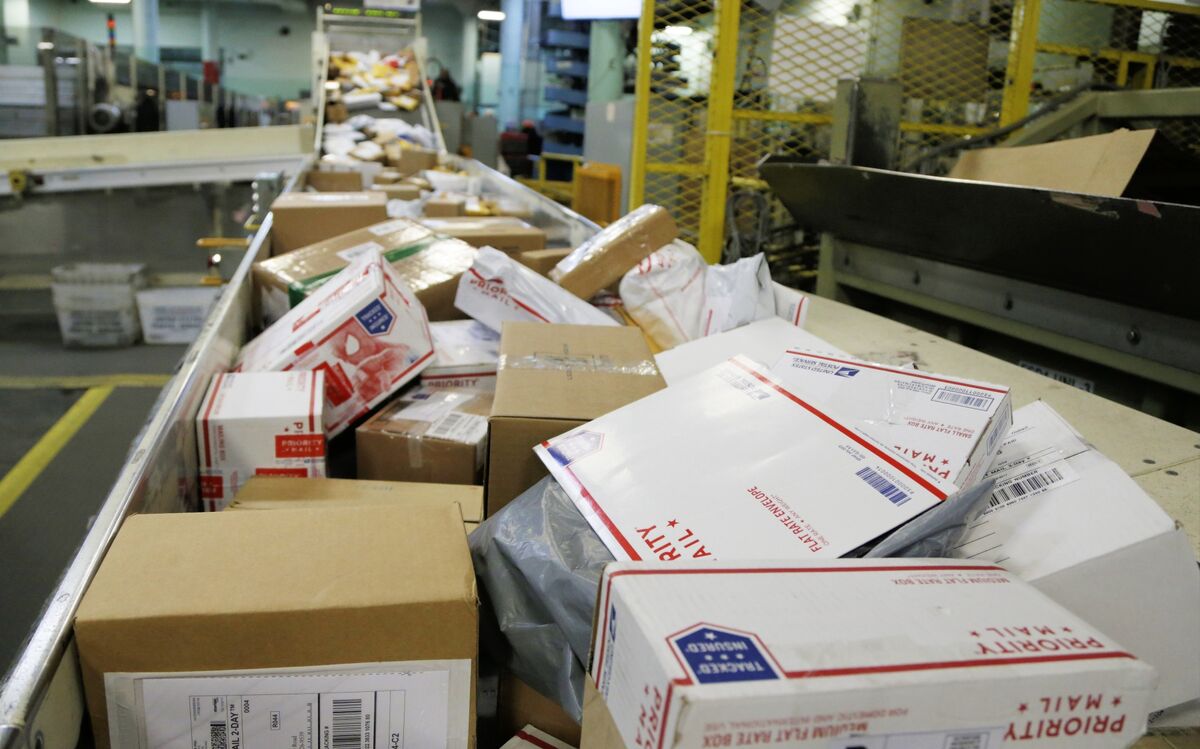
President Trump's trade war is poised to directly impact U.S. consumers as new duties are imposed on imported parcels, either through country-of-origin tariff rates or temporary flat fees of $80-$200 per item for six months. This development signals a direct consumer 'sticker shock' and could intensify inflationary pressures already observed across the broader economy.
The U.S. executive branch's trade policy is set to directly impact consumers, creating a tangible risk of 'sticker shock' on imported goods. New regulations will assess duties on individual parcels based on either country-of-origin tariff rates or a temporary flat fee of $80 to $200 per item for the next six months. This policy marks a significant escalation by directly passing trade-related costs to consumers, bypassing corporate absorption. The move is occurring within a macroeconomic context of rising inflation, and these duties are positioned to act as a direct accelerant on consumer prices. The article also introduces a layer of political and legal uncertainty by noting the tariffs were imposed via emergency powers and may be legally questionable, implying potential for challenges or a reversal that could affect the policy's durability.
AI-powered research, real-time alerts, and portfolio analytics for institutional investors.
Request DemoOverall Sentiment
strongly negative
Sentiment Score
-0.75
